Pharmacology is a vast and complex subject, requiring students and healthcare professionals to memorize a significant amount of information about various drugs. One effective learning and memorization technique is using drug cards. These cards provide a concise and organized summary of essential information for each medication, making it easier to review and recall crucial details when needed. But creating these cards from scratch can be time-consuming. That’s where a Pharmacology Drug Card Template comes in handy. A well-designed template provides a structured framework, ensuring you capture all the necessary information in a standardized and easily digestible format.
The value of a standardized template lies in its consistency. By consistently using the same fields and categories for each drug card, you develop a systematic approach to learning and understanding pharmacology. This consistent structure allows for quicker comparisons between different drugs, helps solidify knowledge, and ultimately improves patient safety. Instead of scrambling to remember key facts in a clinical setting, you can quickly reference your well-organized drug cards for essential information.
This post will outline a comprehensive Pharmacology Drug Card Template, explaining each section and its importance. This template is designed to be versatile, adaptable to various drugs and learning styles, and suitable for both students and practicing professionals. Using this template, you can streamline your study process, enhance your understanding of pharmacology, and contribute to better patient care.
Pharmacology Drug Card Template
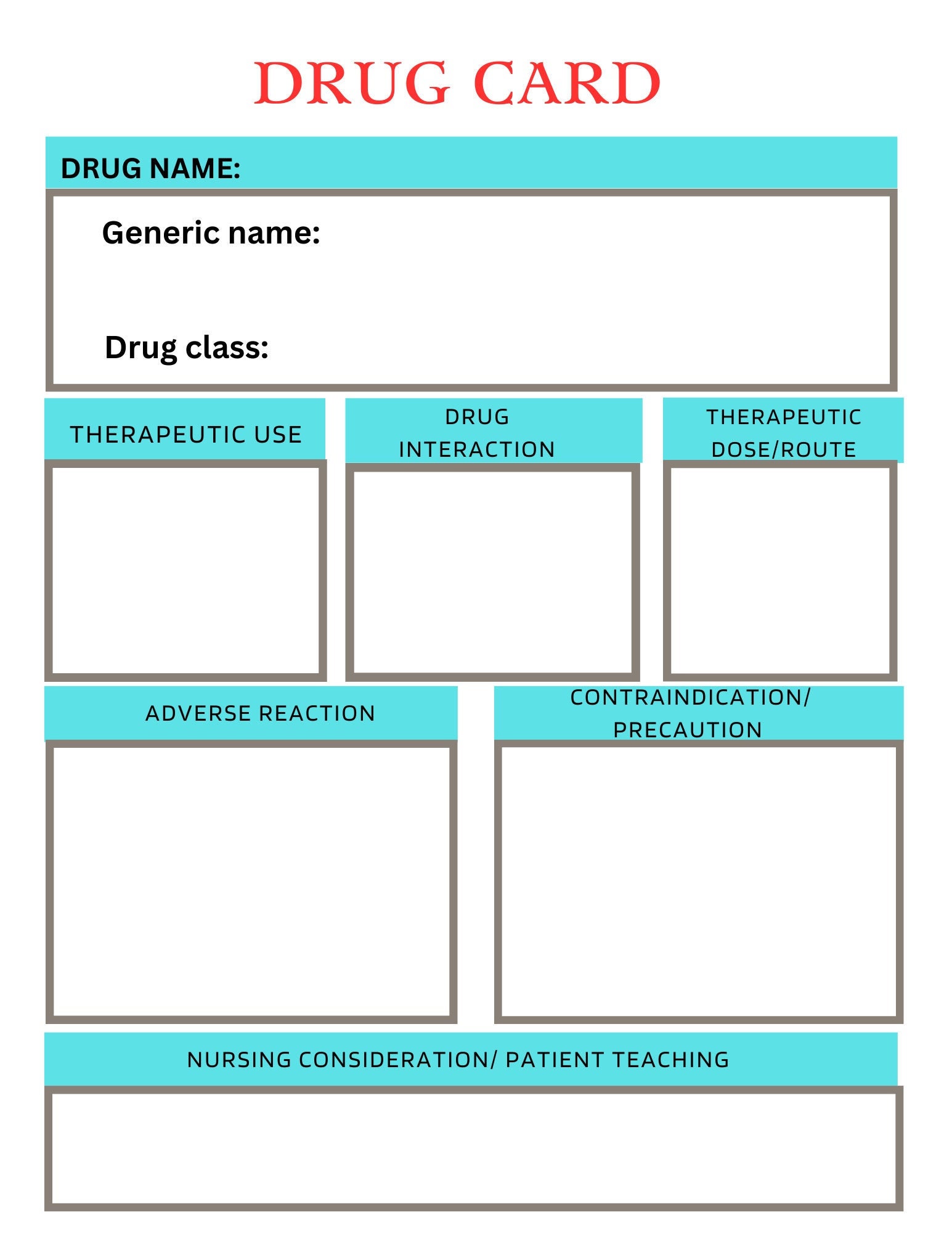
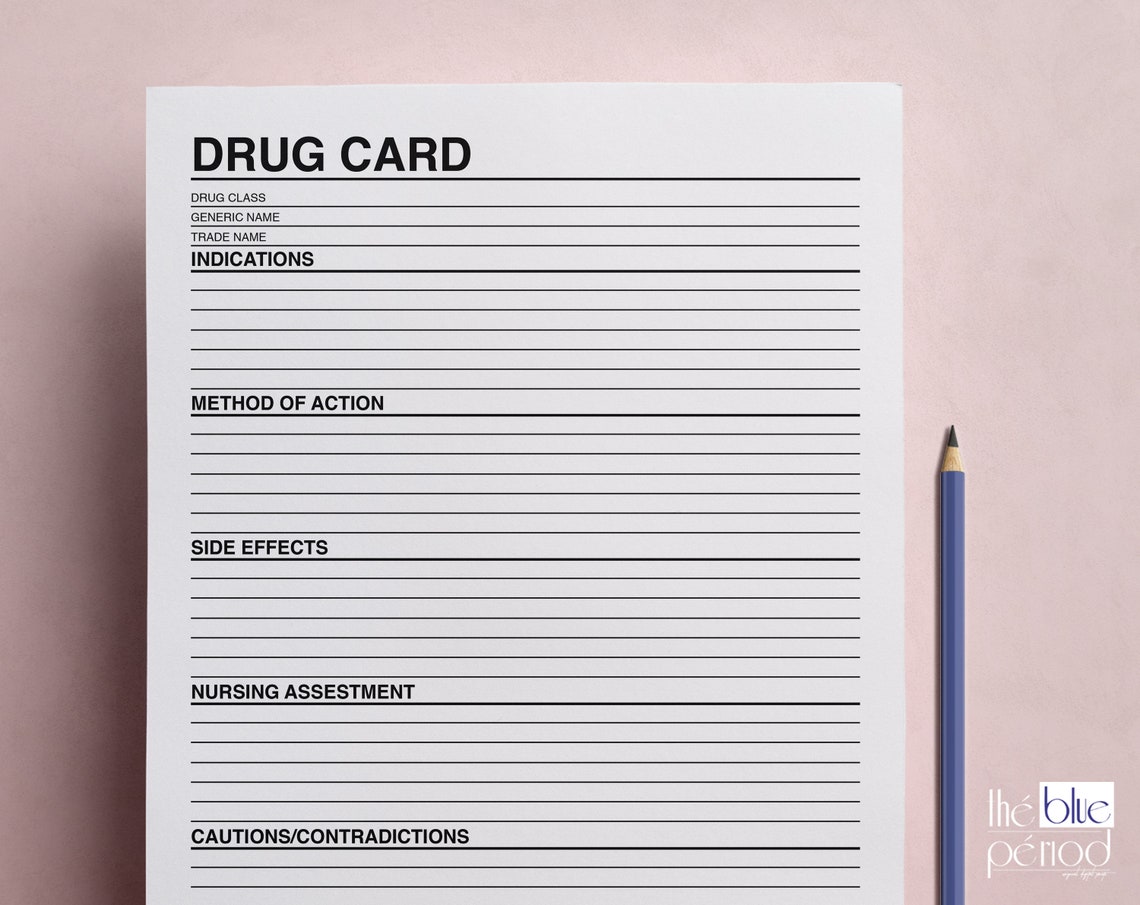
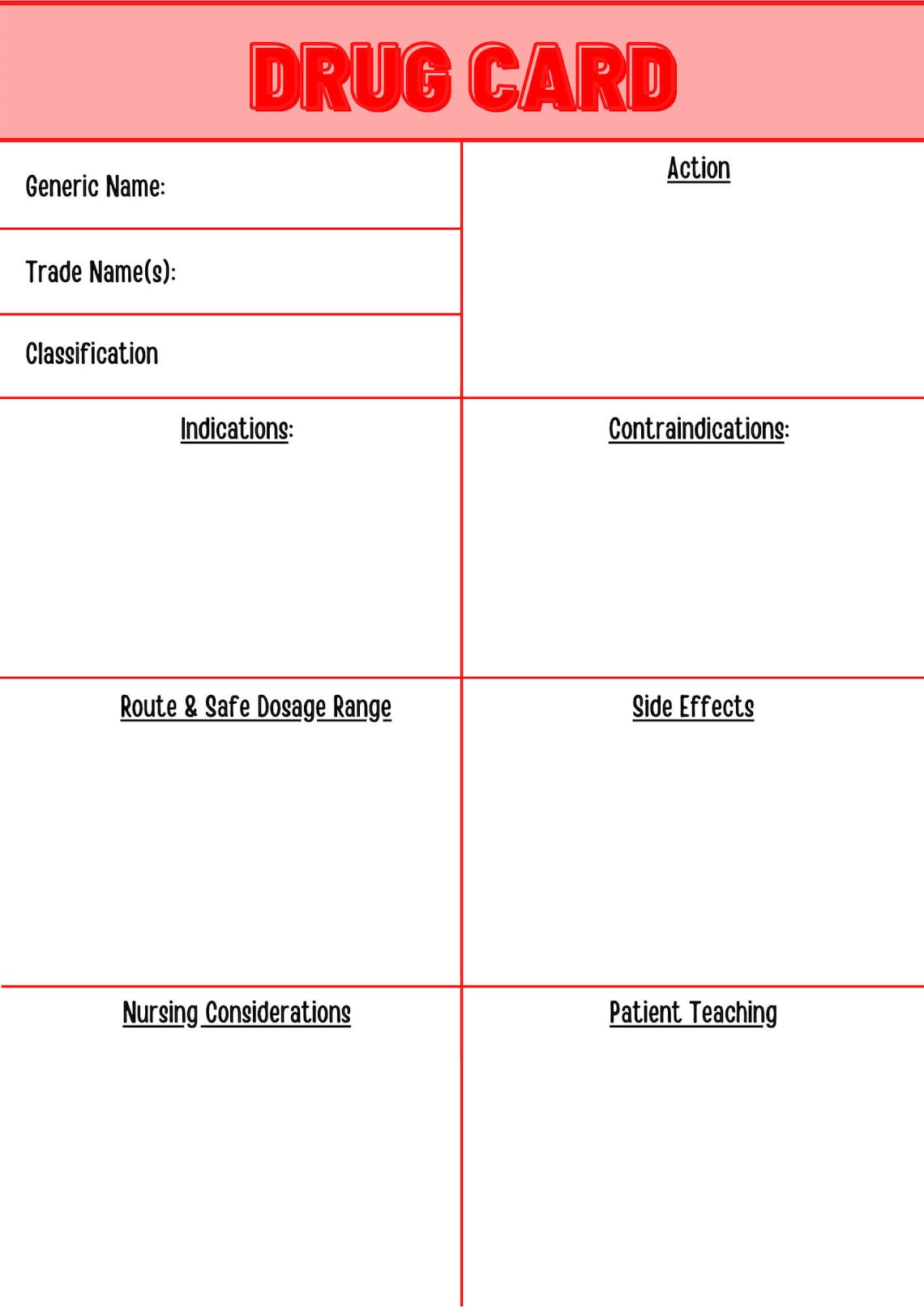
Below is a breakdown of the recommended sections to include in your Pharmacology Drug Card Template. Remember to adjust this template to your specific needs and the requirements of your curriculum or practice.
-
Drug Name (Generic & Brand)
This is the most crucial piece of information. Always include both the generic and brand names. Knowing both is essential as medications are often referred to by different names in different contexts. For example:
- Generic: Metoprolol
- Brand: Lopressor, Toprol XL
-
Drug Class/Pharmacologic Class
Knowing the drug class is vital for understanding its mechanism of action and potential side effects. This refers to the group of drugs that work in a similar way or have similar chemical structures. Examples include:
- Beta-Blocker
- ACE Inhibitor
- Selective Serotonin Reuptake Inhibitor (SSRI)
-
Mechanism of Action (MOA)
This explains how the drug works at a cellular and molecular level to achieve its therapeutic effect. Understanding the MOA provides a deeper understanding of the drug’s effects and potential interactions. Be specific and concise. For example:
- Metoprolol: Blocks beta-1 adrenergic receptors in the heart, decreasing heart rate and blood pressure.
-
Indications (Therapeutic Uses)
List the approved medical conditions for which the drug is used. Be specific about the indications. Examples include:
- Hypertension
- Angina Pectoris
- Heart Failure
-
Contraindications
These are conditions or situations in which the drug should NOT be used. Identifying contraindications is crucial to avoid adverse effects. Examples include:
- Severe Bradycardia
- Hypotension
- Acute Decompensated Heart Failure
-
Adverse Effects/Side Effects
List the common and serious side effects associated with the drug. Group them by body system for easier recall. Examples include:
- Cardiovascular: Bradycardia, Hypotension, Dizziness
- Gastrointestinal: Nausea, Vomiting, Diarrhea
-
Drug Interactions
Identify drugs that can significantly alter the effects of the medication. Include both synergistic and antagonistic interactions. Examples include:
- Increased Hypotension with other Antihypertensives
- Decreased effect with NSAIDs
-
Dosage and Administration
Include the typical dosage range, frequency, and route of administration (e.g., oral, IV, IM). Specify adjustments for specific populations (e.g., renal impairment). For example:
- Oral: 25-100 mg twice daily
- IV: 5 mg slow IV push
-
Nursing Considerations/Patient Education
This section is critical for nurses and other healthcare professionals. Include important monitoring parameters, administration guidelines, and patient education points. Examples include:
- Monitor blood pressure and heart rate before and after administration.
- Teach patients to monitor their blood pressure at home.
- Advise patients to rise slowly to avoid dizziness.
- Instruct patients to report any signs of heart failure, such as shortness of breath or swelling.
-
Pharmacokinetics (Absorption, Distribution, Metabolism, Excretion – ADME)
Briefly describe how the drug is absorbed, distributed, metabolized, and excreted. This section provides insights into the drug’s duration of action and potential for accumulation. Examples include:
- Absorption: Well-absorbed orally.
- Metabolism: Hepatic (CYP2D6).
- Excretion: Renal.
-
Special Populations (Pregnancy, Pediatrics, Geriatrics)
Highlight any specific considerations for use of the drug in special populations, such as pregnant women, children, or elderly patients. This section may include dosage adjustments or specific monitoring recommendations. Examples include:
- Pregnancy: Category C. Use with caution.
- Geriatrics: May require lower doses due to decreased renal function.
By utilizing this comprehensive Pharmacology Drug Card Template, you can systematically organize drug information, improve your understanding of pharmacology, and enhance your clinical practice. Remember to personalize the template to suit your individual needs and learning style. Good luck!
If you are searching about Editable Pharmacology Drug Card Template Pharmacology Cards – Etsy you’ve visit to the right page. We have 22 Images about Editable Pharmacology Drug Card Template Pharmacology Cards – Etsy like Printable Pharmacology Drug Card Template – Printable Templates Online, Pharmacology Drug Card Template – Etsy and also Drug cards – Artofit. Read more:
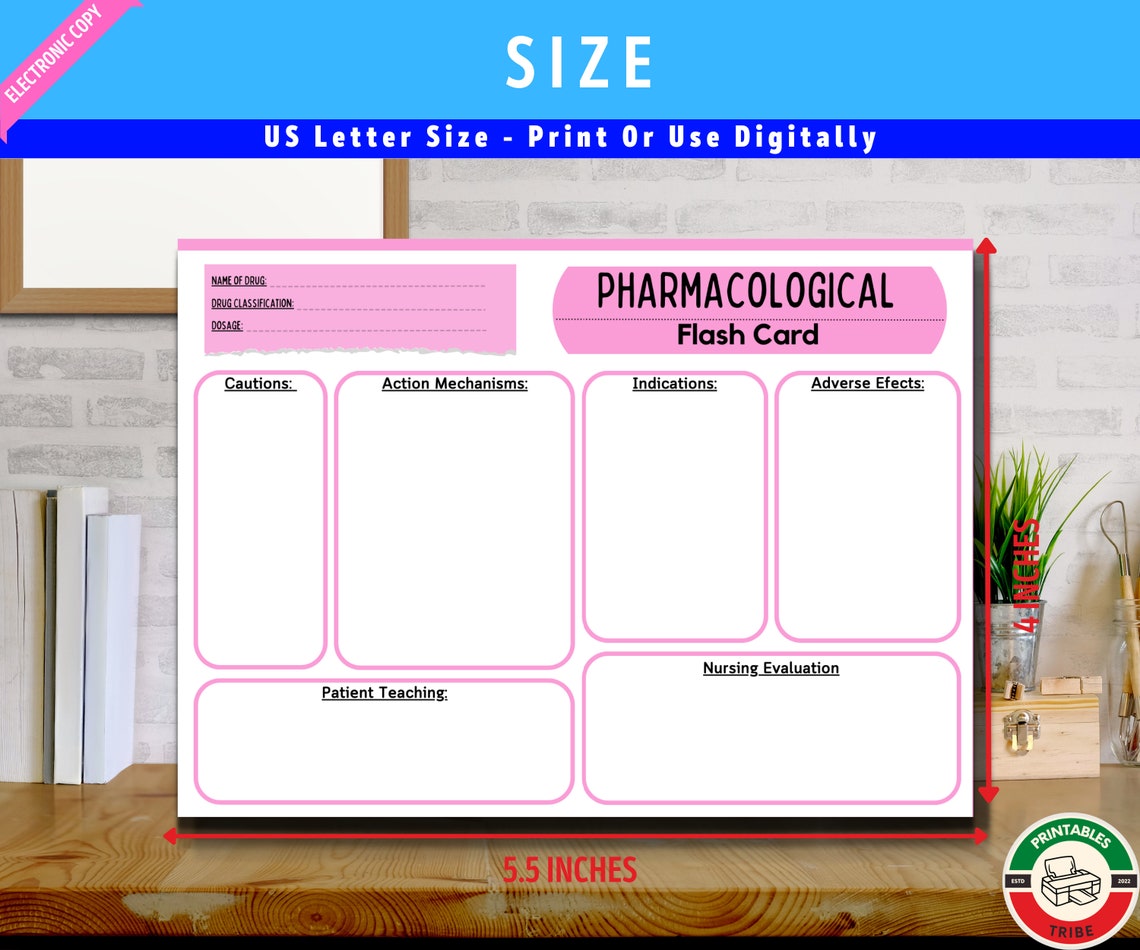
Editable Pharmacology Drug Card Template Pharmacology Cards – Etsy
www.etsy.com
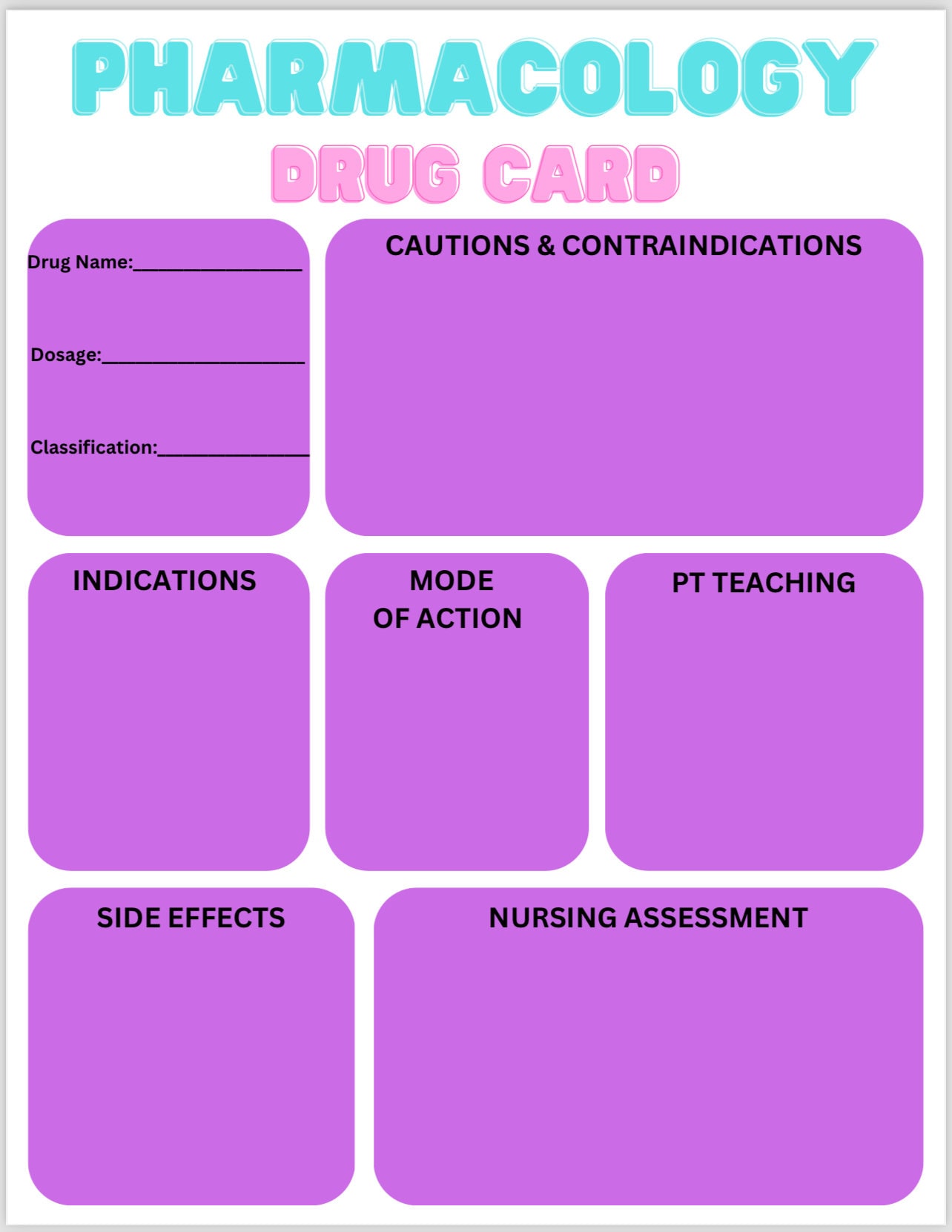
Pharmacology Drug Card Template Nursing Pharmacology Nursing Notes
www.etsy.com
Pharmacology Drug Cards Template Study Notes Nursing Etsy – Artofit

www.artofit.org
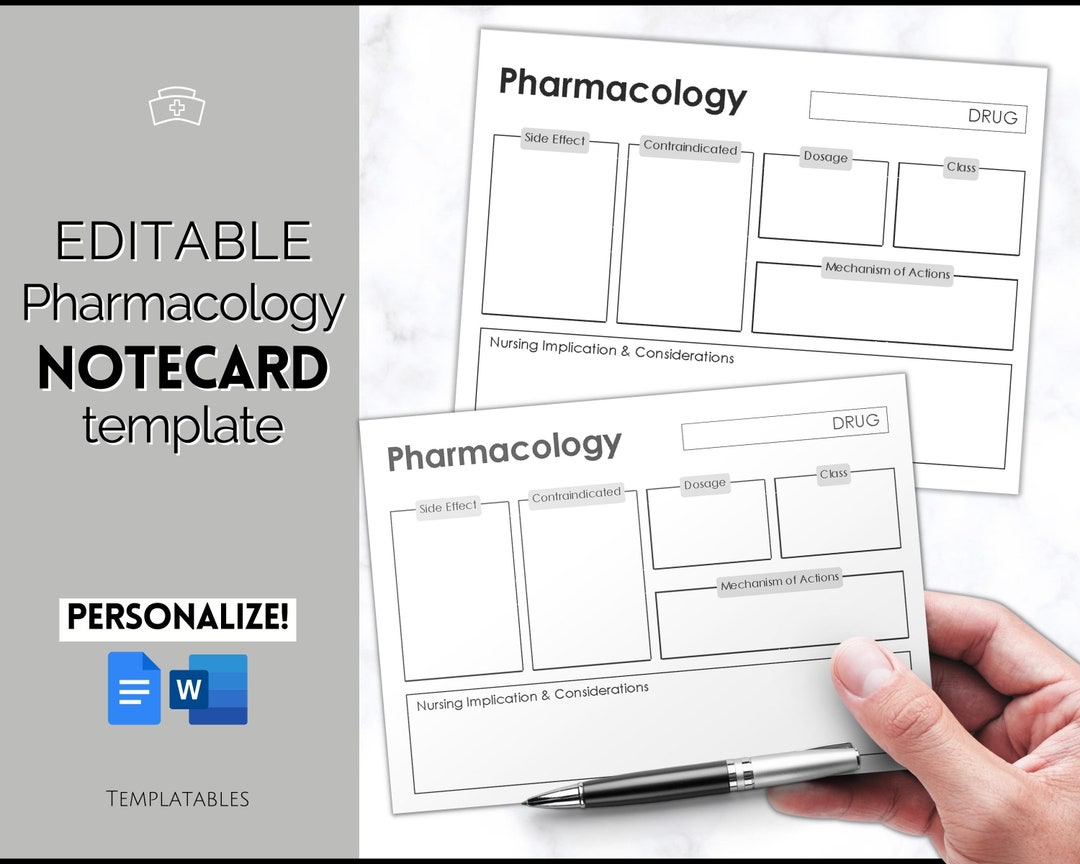
EDITABLE Pharmacology Drug Card Template, Nursing Printable, Nursing
www.etsy.com
Printable Nursing Pharmacology Drug Card Template Blank Med Etsy – Artofit

www.artofit.org
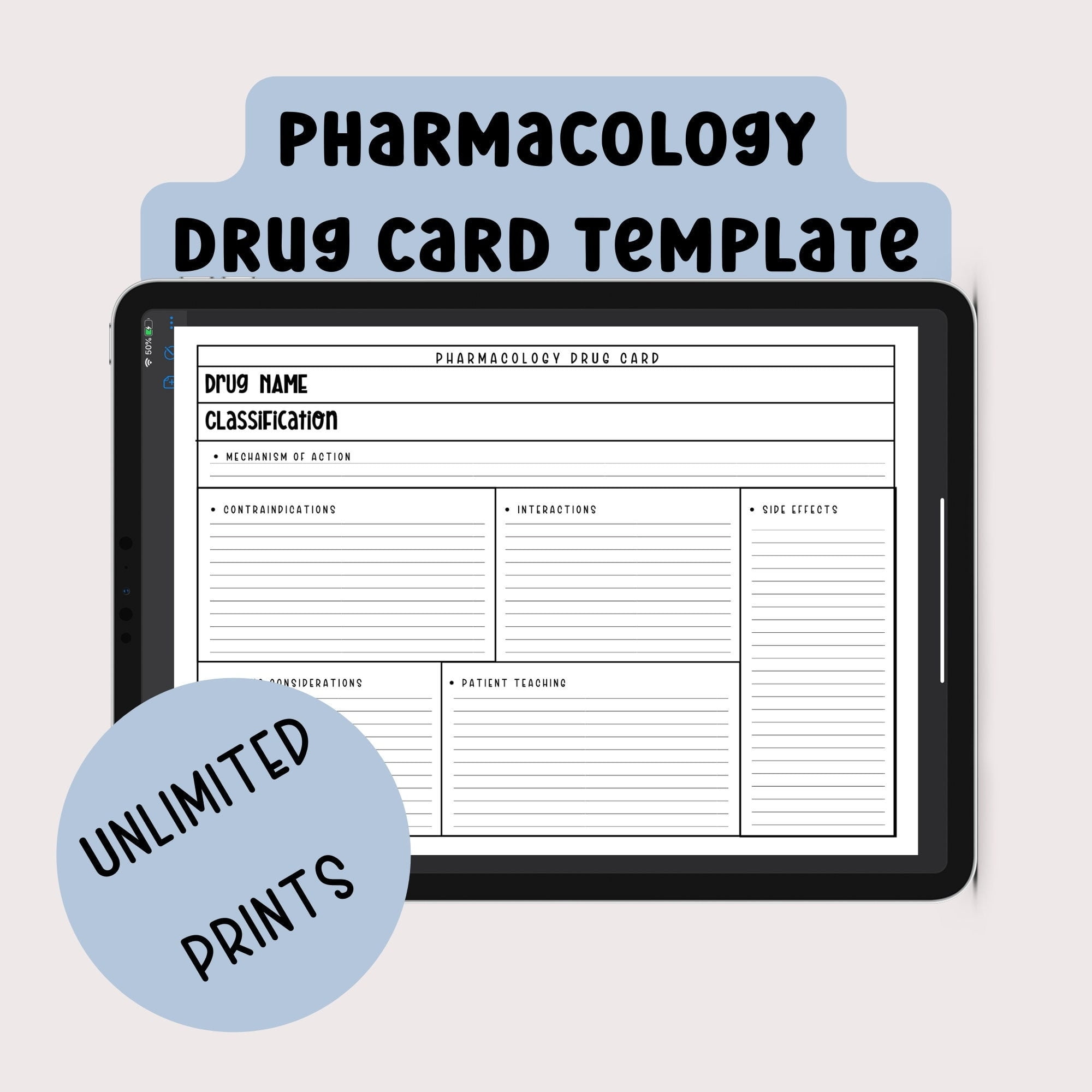
Printable Pharmacology Drug Card Template – Printable Templates Online
paulprintable.com
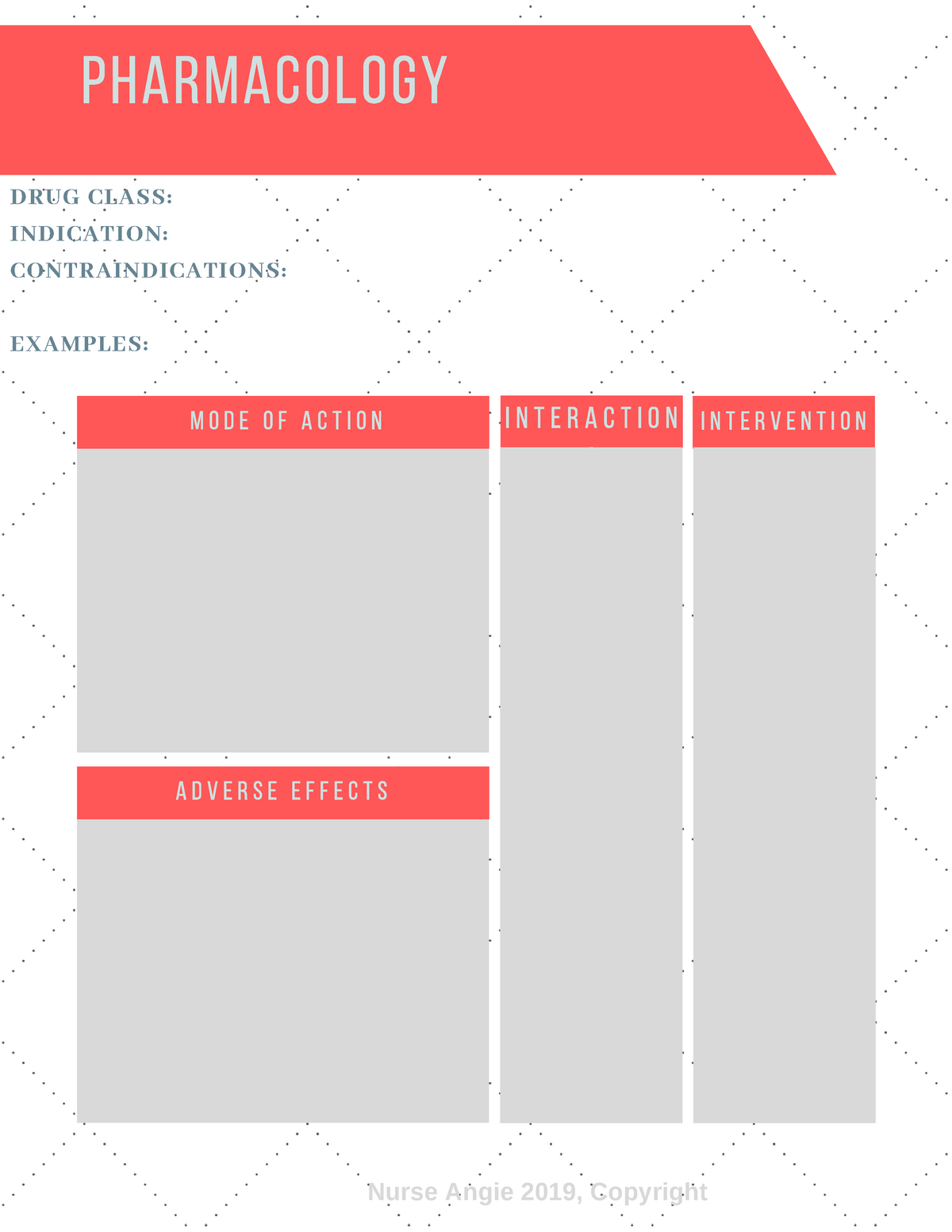
Pharmacology Drug Card Template – Cardtemplate.my.id
www.cardtemplate.my.id
Drug Cards – Artofit

www.artofit.org
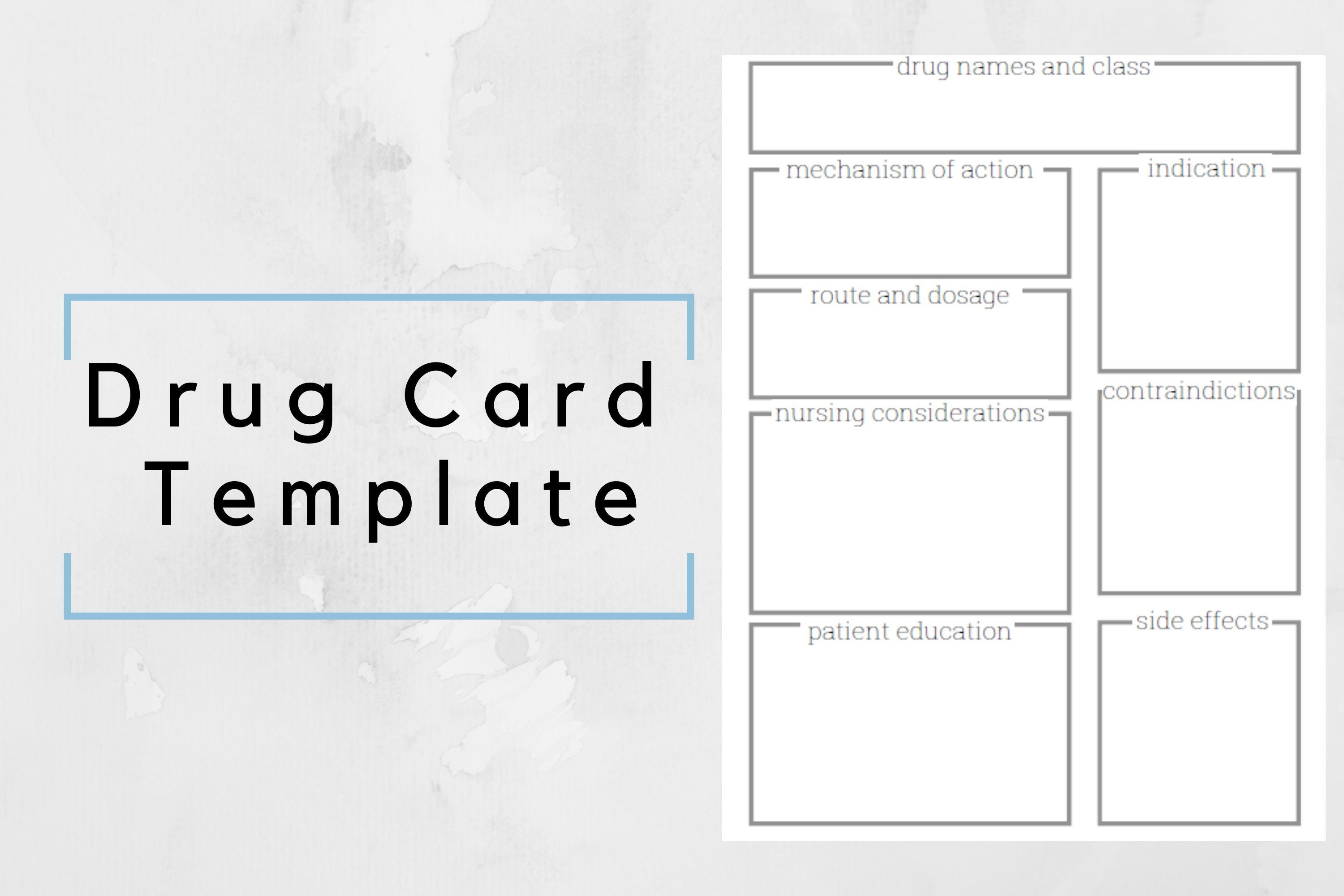
Nursing Pharmacology Drug Card Template Instant Download | Etsy
www.etsy.com
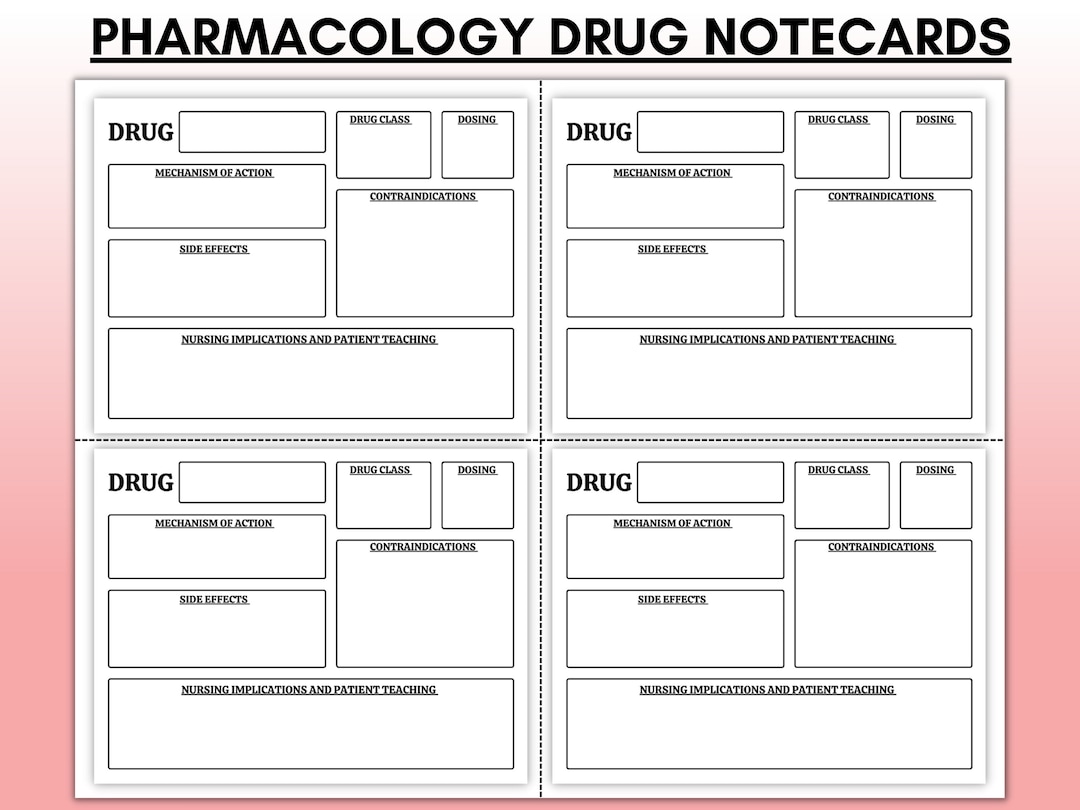
Pharmacology Template, Drug Card Template, Med Card Template
www.etsy.com
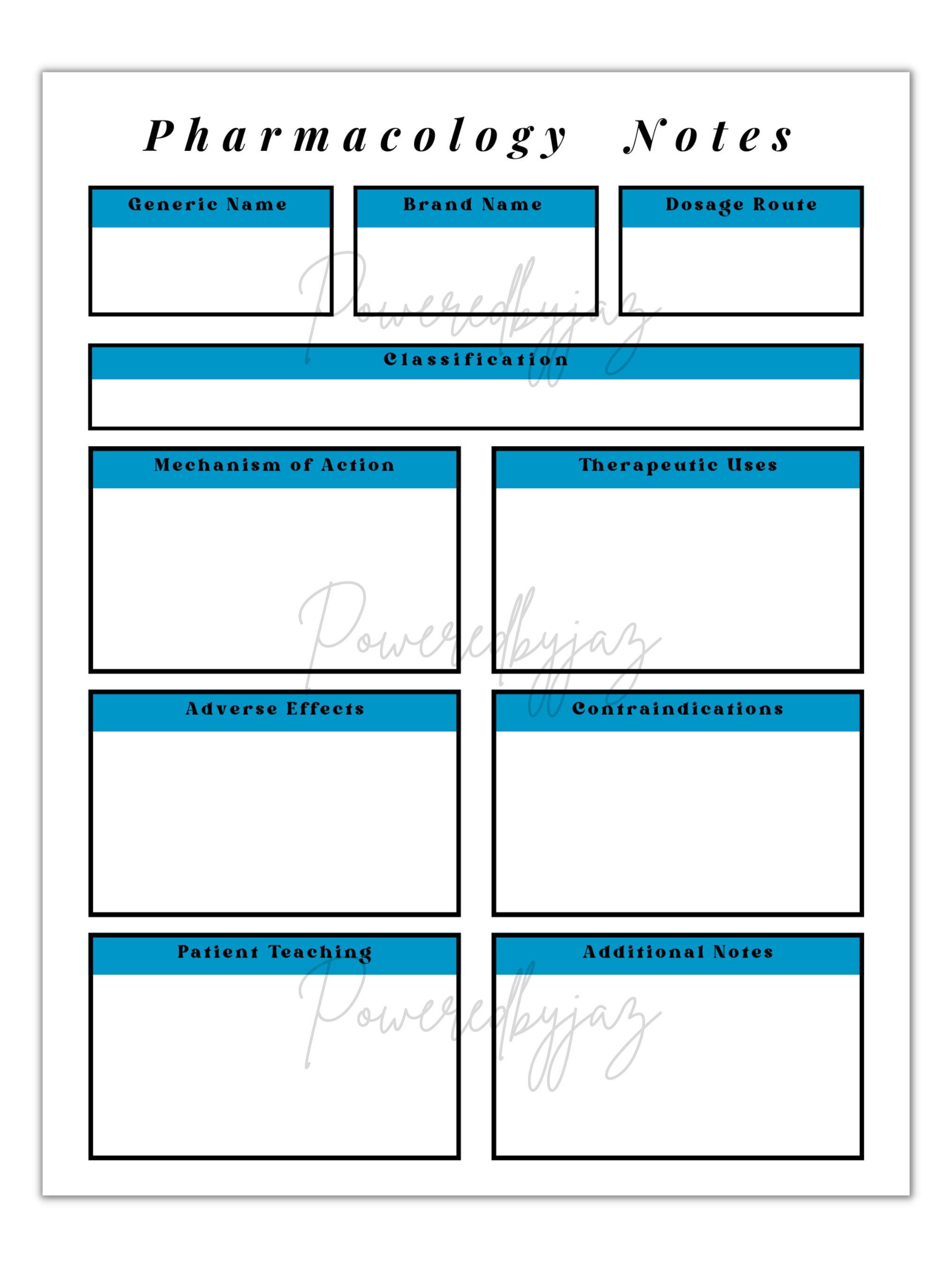
Pharmacology Drug Cards Template | Downloadable/printable | Nursing
www.etsy.com
Drug Card Template Nursing Pharmacology Printable Nursing – Etsy Australia
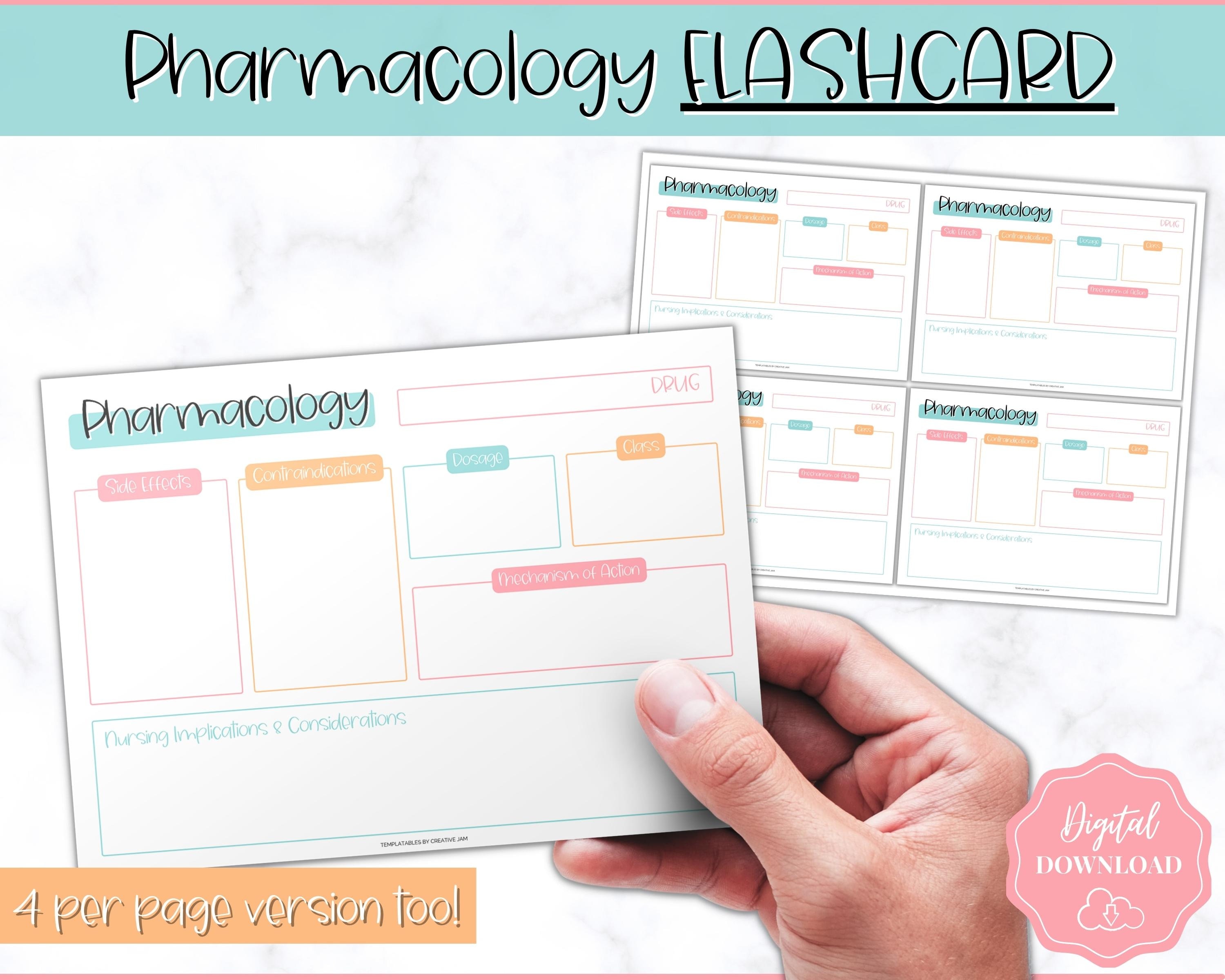
www.etsy.com
Pharmacology Drug Card Template
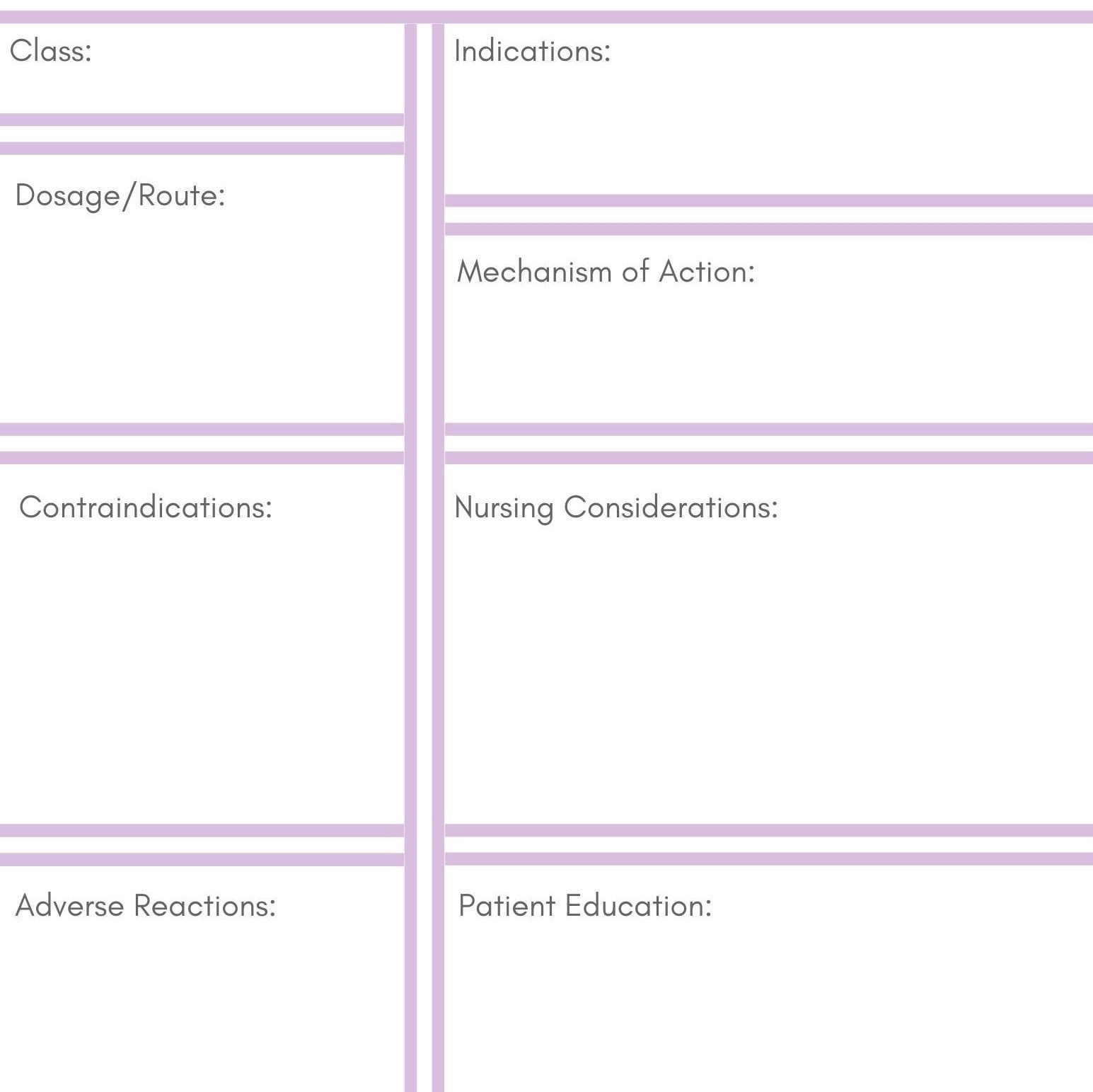
templates.esad.edu.br
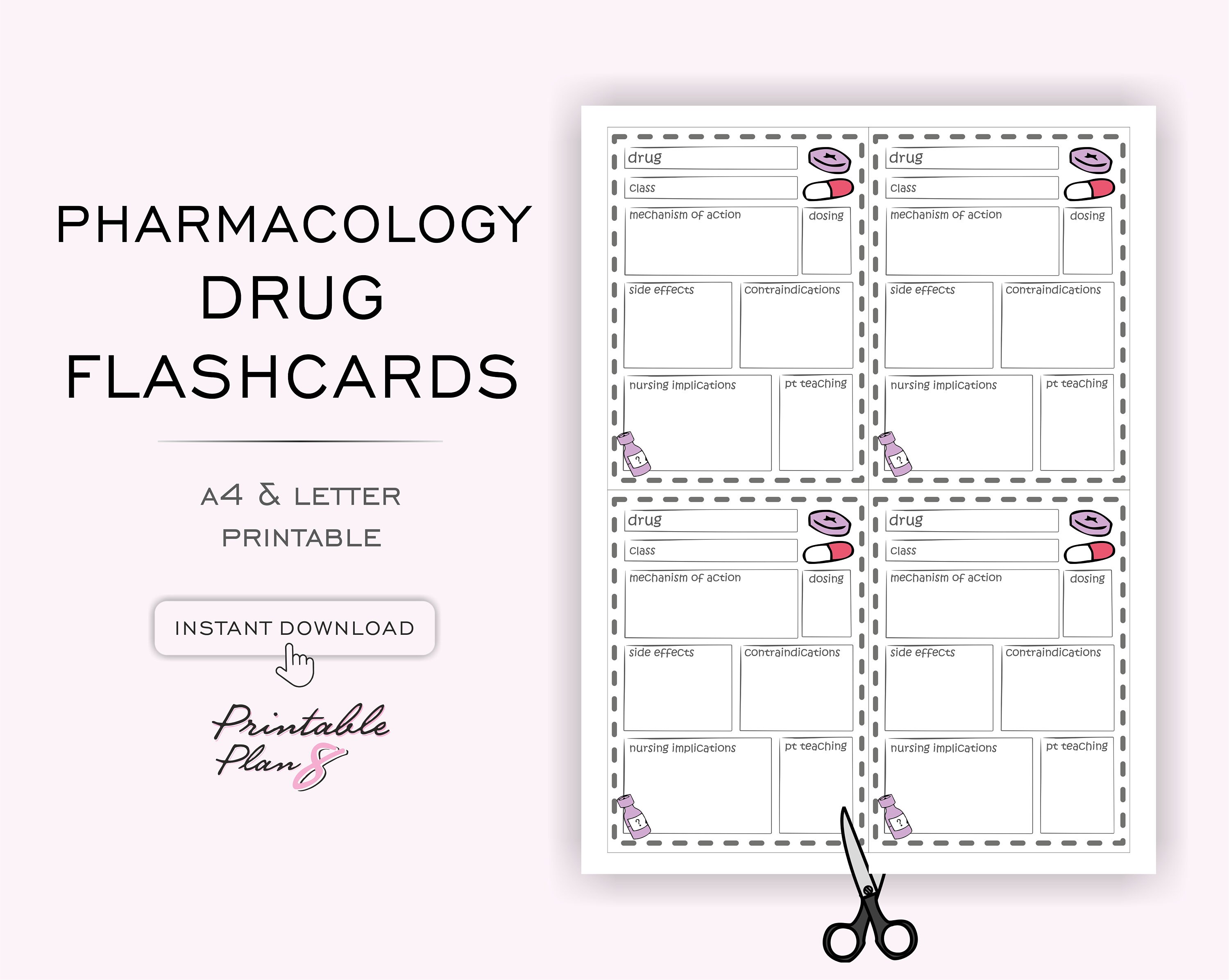
Pharmacology Drug Cards Template, Study Notes, Nursing Student, Nursing
www.etsy.com
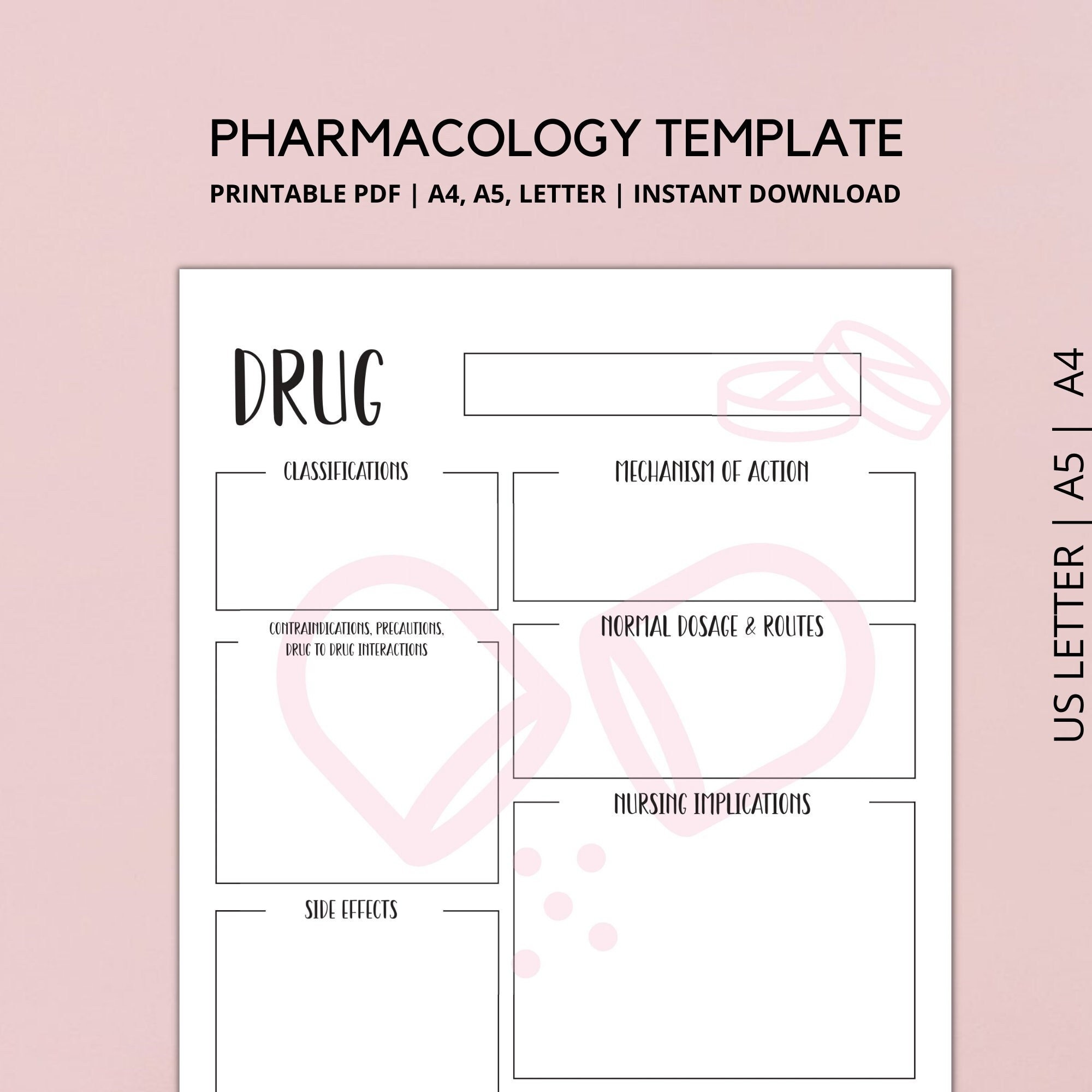
Pharmacology Template Drug Template Nursing Study Guide – Etsy Canada
www.etsy.com
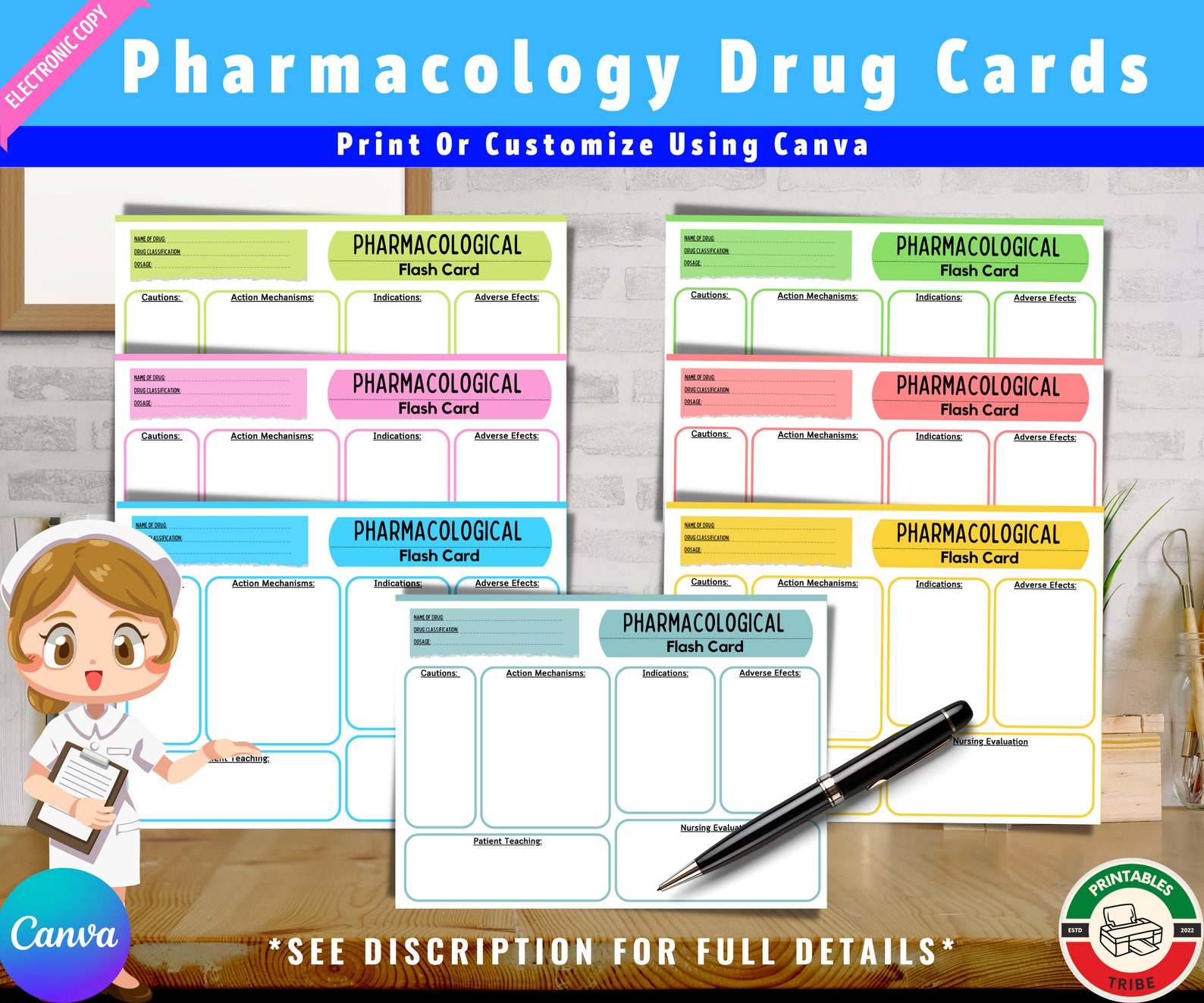
Editable Pharmacology Drug Card Template Pharmacology Cards Nursing
www.etsy.com
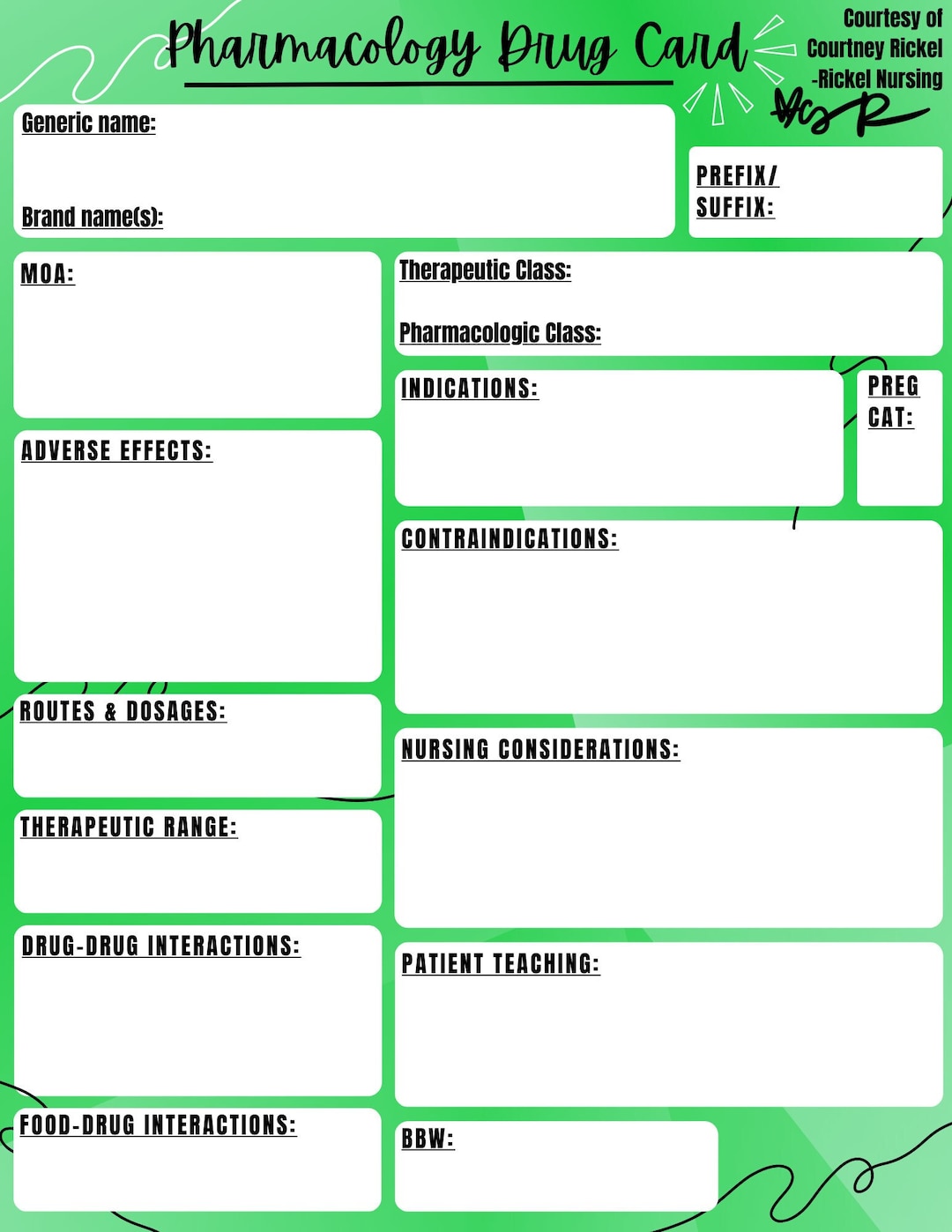
Pharmacology Drug Card Template – Etsy
www.etsy.com
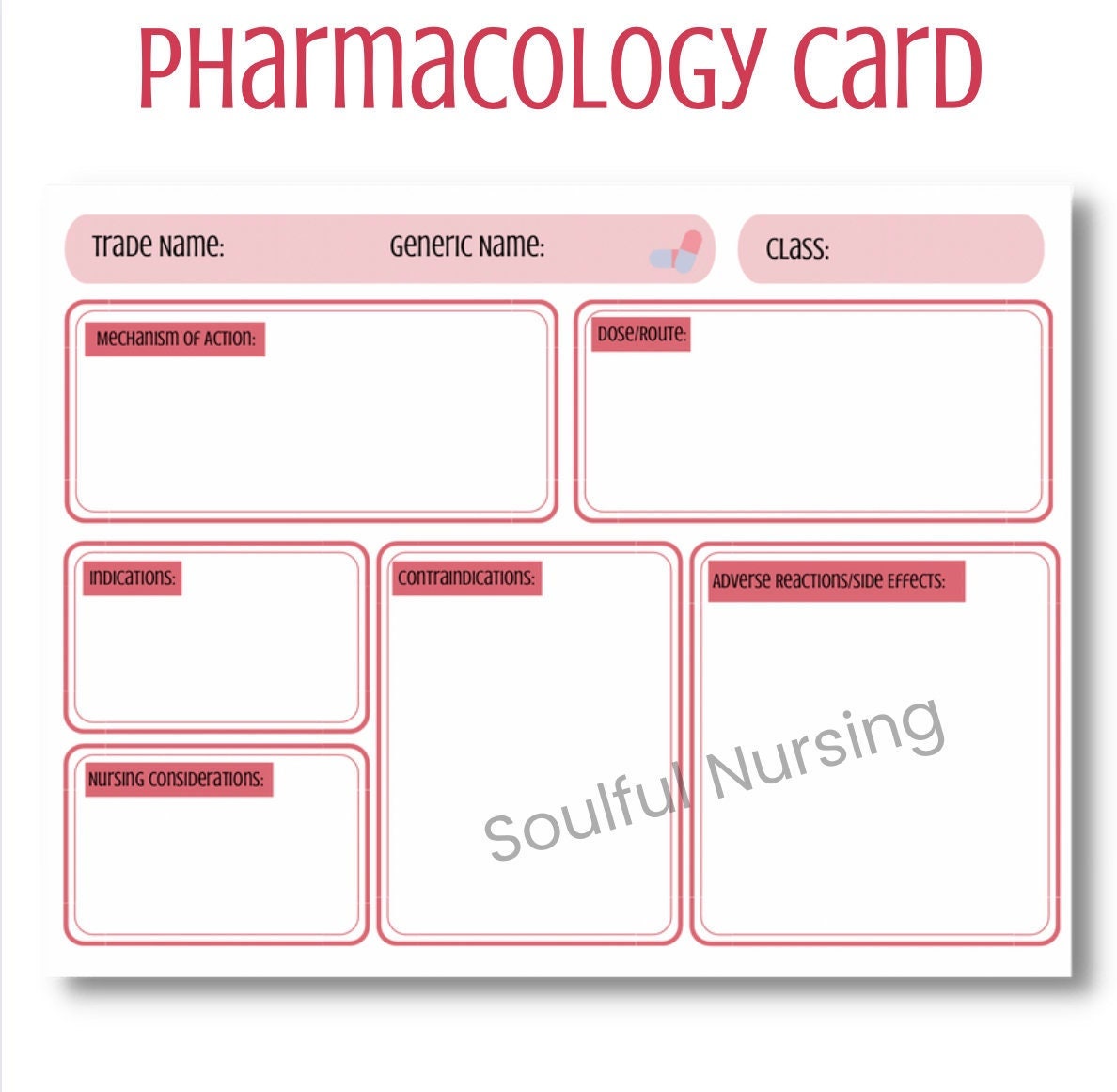
Pharmacology Medication Card Template – Pink – Etsy
www.etsy.com
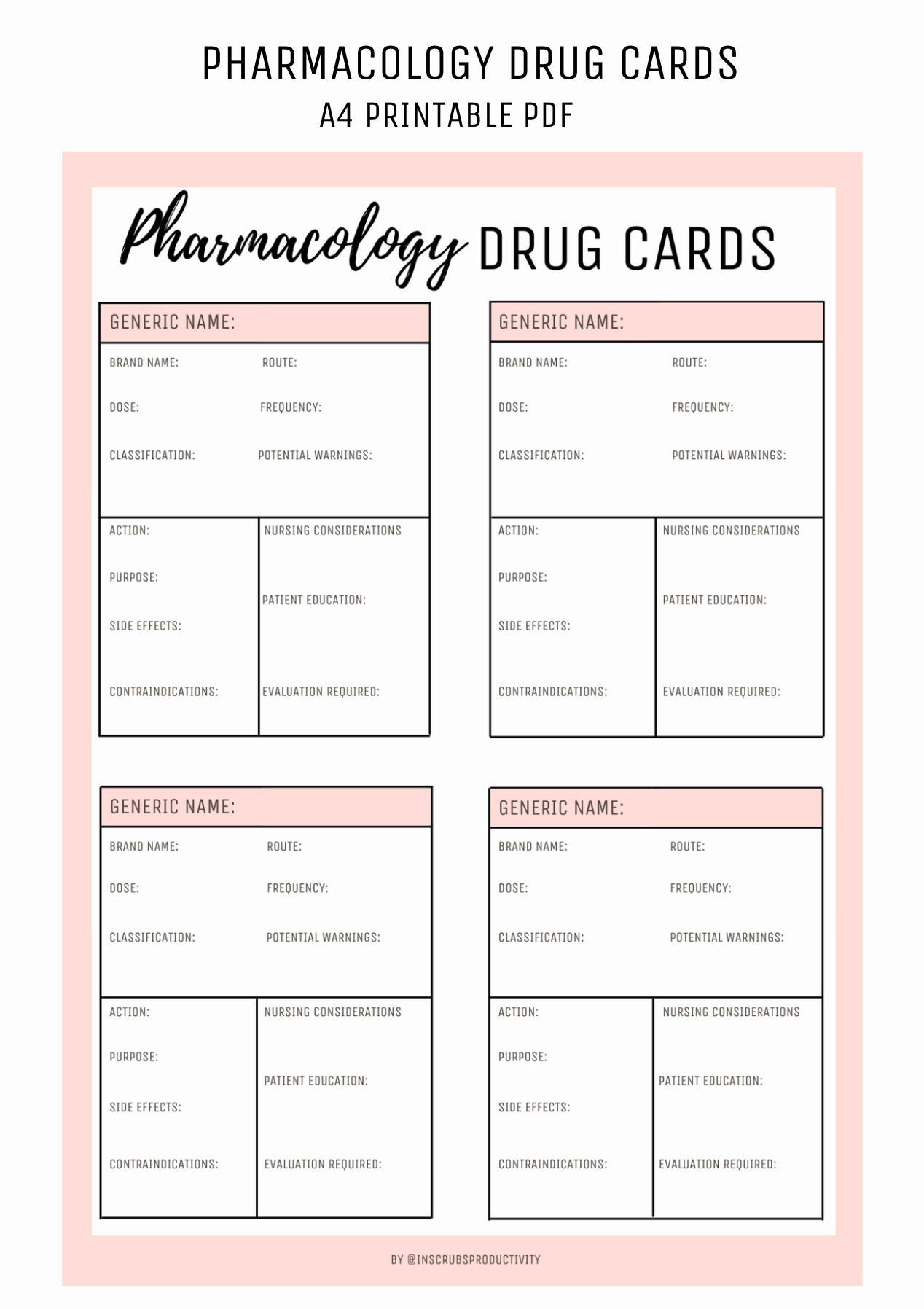
Printable Pharmacology Drug Card Template – Prntbl
prntbl.concejomunicipaldechinu.gov.co
Nursing Pharmacology Template, Nursing Student Drug Card, Medication
www.etsy.com
Printable Pharmacology Drug Card Template – Printable Word Searches
davida.davivienda.com
Pharmacology Drug Card Template – Etsy
www.etsy.com
Printable nursing pharmacology drug card template blank med etsy – artofit. pharmacology drug cards template, study notes, nursing student, nursing …. Printable pharmacology drug card template