Gathering comprehensive business requirements is the cornerstone of any successful project. A poorly defined understanding of what the business needs can lead to projects that miss the mark, are over budget, and ultimately fail to deliver the desired value. To avoid these pitfalls, using a well-structured Business Requirements Questionnaire (BRQ) is crucial. A BRQ serves as a structured tool for eliciting, documenting, and validating those needs. Think of it as a conversation starter, a guided tour through the business landscape to identify precisely what the project aims to achieve and how it will be measured. This post will explore the importance of a BRQ template and provide a detailed breakdown of key sections commonly found within it.
Why Use a Business Requirements Questionnaire Template?
Using a BRQ template offers several significant advantages:
- Consistency: A template ensures that all stakeholders are asked the same core set of questions, promoting consistency in the data gathered. This is especially important for large projects or when multiple teams are involved.
- Completeness: The template acts as a checklist, reminding you to consider all relevant aspects of the business need and reducing the risk of overlooking crucial details.
- Efficiency: By providing a pre-defined structure, a template saves time and effort compared to starting from scratch each time. It also facilitates easier data analysis and comparison.
- Clarity: A well-designed template promotes clarity by guiding the conversation and ensuring that all parties understand the questions being asked. This reduces ambiguity and minimizes misunderstandings.
- Documentation: The completed questionnaire serves as a valuable documented record of the business requirements, providing a clear audit trail for future reference.
Key Sections of a Business Requirements Questionnaire Template
While the specific questions included in a BRQ will vary depending on the nature of the project, certain key sections are typically present. Here’s a detailed breakdown:
1. Project Overview and Objectives
- Project Name: A clear and concise name for the project.
- Project Sponsor: The individual or group responsible for championing the project and securing resources.
- Business Problem/Opportunity: A detailed description of the problem the project is intended to solve or the opportunity it aims to capitalize on. This section should quantify the impact of the problem or the potential benefit of the opportunity (e.g., cost savings, revenue increase, improved efficiency).
- Project Goals and Objectives: Specific, measurable, achievable, relevant, and time-bound (SMART) goals that the project is expected to achieve. Examples include:
- Increase sales conversion rates by 15% within six months.
- Reduce customer support ticket resolution time by 20% by the end of the year.
- Automate 80% of manual data entry tasks within the accounting department.
- Project Scope: A clear definition of what is included and excluded from the project. This prevents scope creep and ensures that the project stays focused on its core objectives.
2. Stakeholder Analysis
- Identification of Key Stakeholders: List all individuals or groups who will be affected by the project, either directly or indirectly. This includes internal stakeholders (e.g., employees, management) and external stakeholders (e.g., customers, suppliers, partners).
- Stakeholder Roles and Responsibilities: Define the specific roles and responsibilities of each stakeholder in the project. This ensures that everyone understands their contributions and accountabilities.
- Stakeholder Communication Preferences: Identify how each stakeholder prefers to be communicated with (e.g., email, meetings, reports) and the frequency of communication. This ensures that stakeholders are kept informed and engaged throughout the project.
- Stakeholder Concerns and Expectations: Elicit the concerns and expectations of each stakeholder regarding the project. This helps to identify potential conflicts and manage expectations proactively.
3. Functional Requirements
- Detailed Description of Functionality: Specify what the system or solution must do to meet the business needs. These requirements should be clear, concise, and unambiguous. Use cases or user stories can be helpful in documenting functional requirements.
- Input and Output Requirements: Describe the data that the system will receive (input) and the information it will generate (output). This includes the format, source, and destination of the data.
- Business Rules: Define the rules and constraints that govern the system’s behavior. These rules should be clearly documented and consistently applied.
- Process Flows: Document the steps involved in each business process that the system will support. This helps to visualize how the system will be used and identify potential bottlenecks.
4. Non-Functional Requirements
- Performance Requirements: Specify the desired performance characteristics of the system, such as response time, throughput, and scalability.
- Security Requirements: Define the security measures that must be implemented to protect the system and data from unauthorized access.
- Usability Requirements: Specify the desired level of usability for the system, including ease of use, accessibility, and user satisfaction.
- Reliability Requirements: Define the required level of reliability for the system, including availability, fault tolerance, and disaster recovery.
- Maintainability Requirements: Specify the ease with which the system can be maintained and updated.
- Compliance Requirements: Identify any regulatory or compliance requirements that the system must meet.
5. Assumptions and Constraints
- Assumptions: List any assumptions that are being made about the project, such as the availability of resources, the stability of the technology, or the absence of external factors.
- Constraints: Identify any constraints that may limit the project’s scope, budget, or timeline. Examples include:
- Budget limitations
- Timeline restrictions
- Technical limitations
- Regulatory constraints
6. Success Criteria and Measurement
- Key Performance Indicators (KPIs): Define the KPIs that will be used to measure the success of the project. These KPIs should be aligned with the project goals and objectives.
- Measurement Methods: Specify how the KPIs will be measured and tracked.
- Acceptance Criteria: Define the criteria that must be met for the project deliverables to be considered acceptable. This ensures that the project meets the stakeholders’ expectations.
By using a comprehensive Business Requirements Questionnaire template, you can significantly improve your chances of project success. Remember to tailor the template to the specific needs of your project and involve all relevant stakeholders in the requirements gathering process. The effort invested in creating a well-defined BRQ will pay dividends in the form of reduced risk, improved communication, and a project that delivers the expected business value.
If you are searching about Free Business Requirements Document Template to Edit Online you’ve visit to the right place. We have 22 Pictures about Free Business Requirements Document Template to Edit Online like 30+ Questionnaire Templates (Word) – Template Lab, Download Free BRD Templates | Smartsheet and also 40+ Simple Business Requirements Document Templates – Template Lab. Read more:
Free Business Requirements Document Template To Edit Online
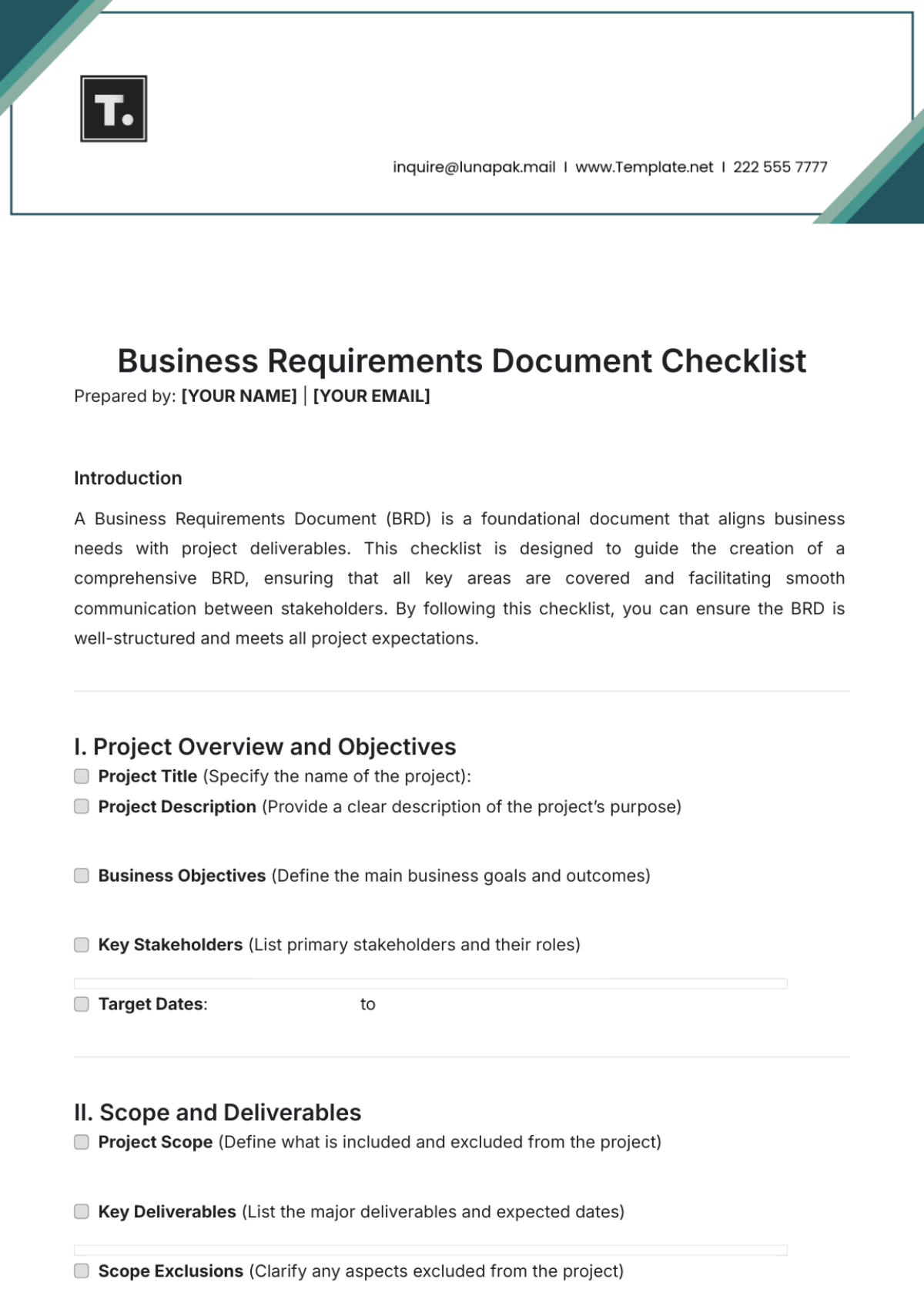
www.template.net
The Business Requirement Document: What It Is And How To Write It [+5
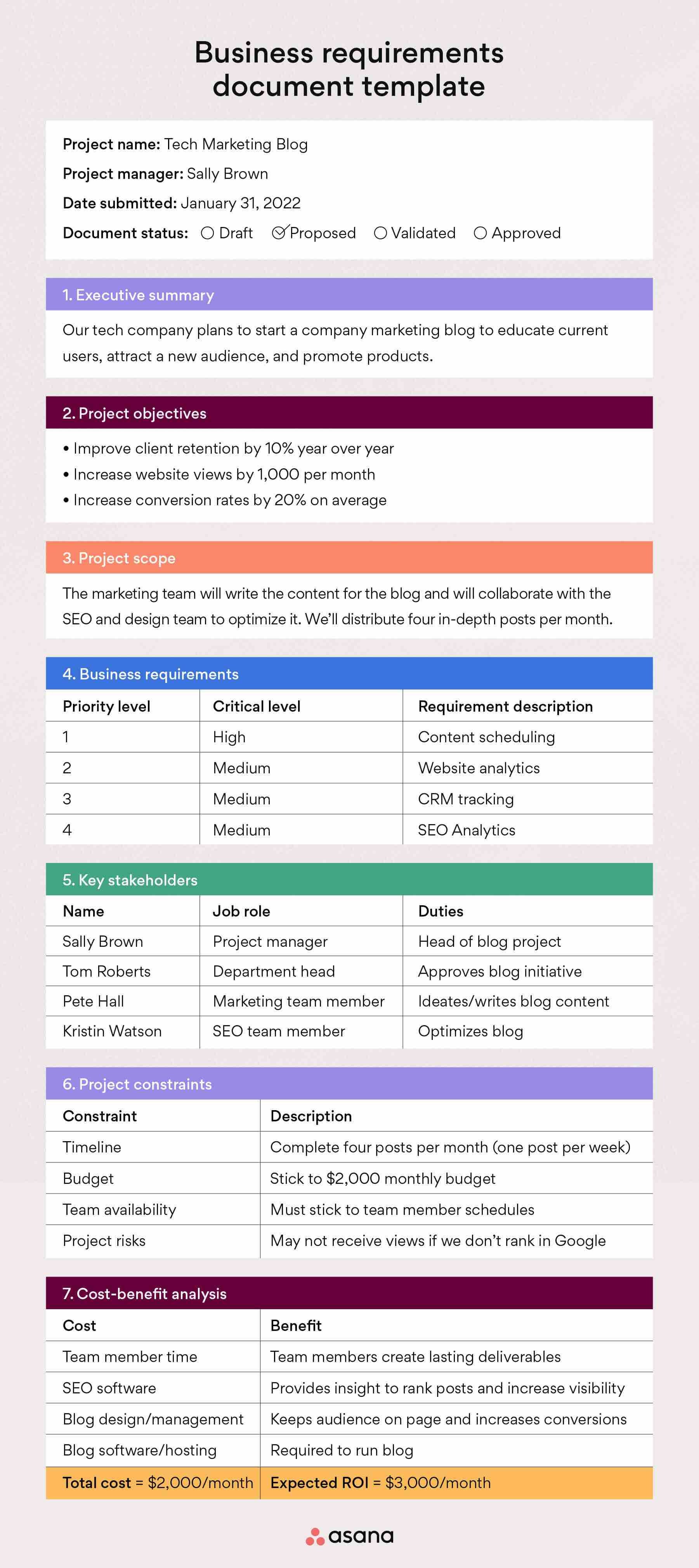
blog.hubspot.com
Business Requirements Questionnaire Template – 10+ Examples Of
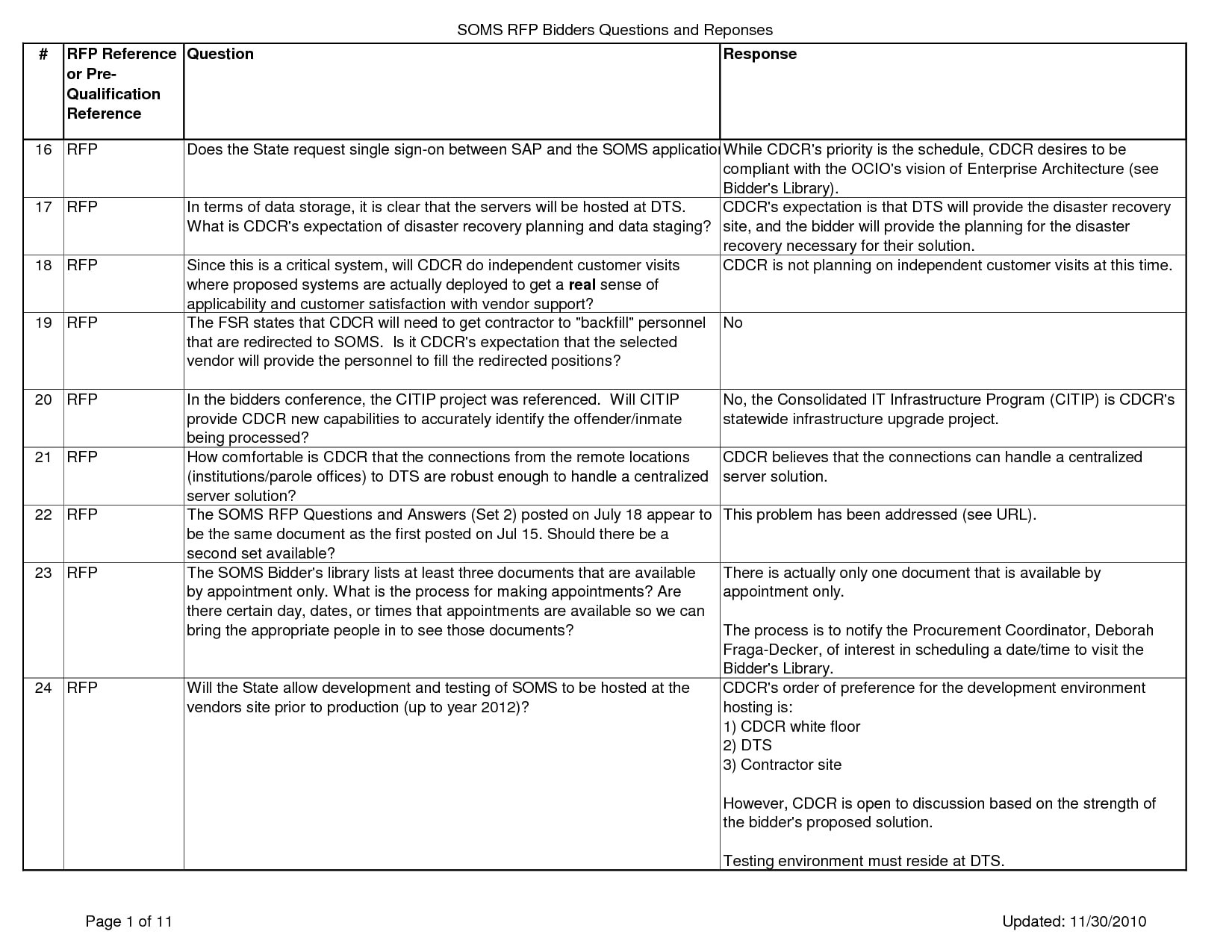
vancecountyfair.com
30+ Questionnaire Templates (Word) ᐅ TemplateLab
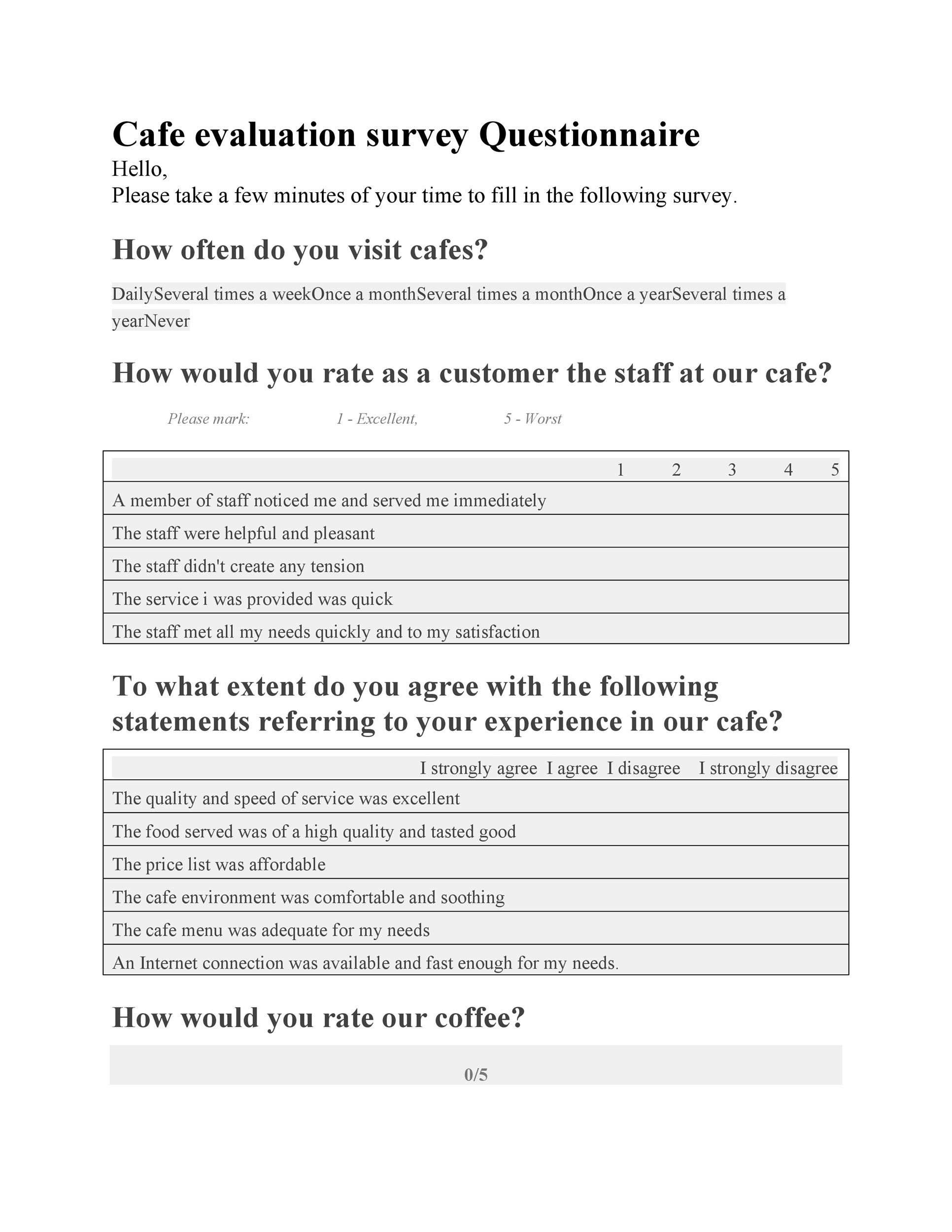
templatelab.com
30+ Questionnaire Templates (Word) – Template Lab
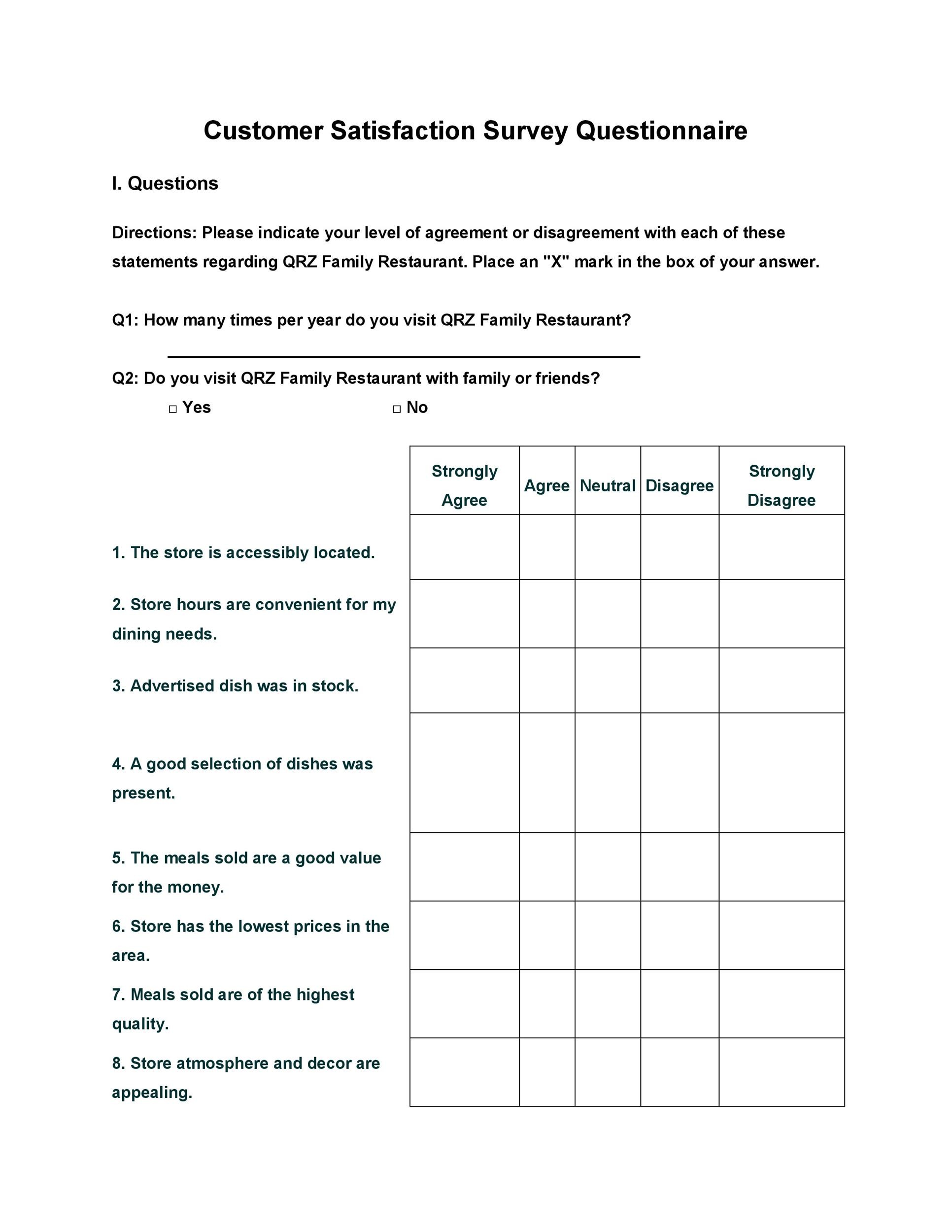
templatelab.com
Free Project Requirement Templates | Smartsheet
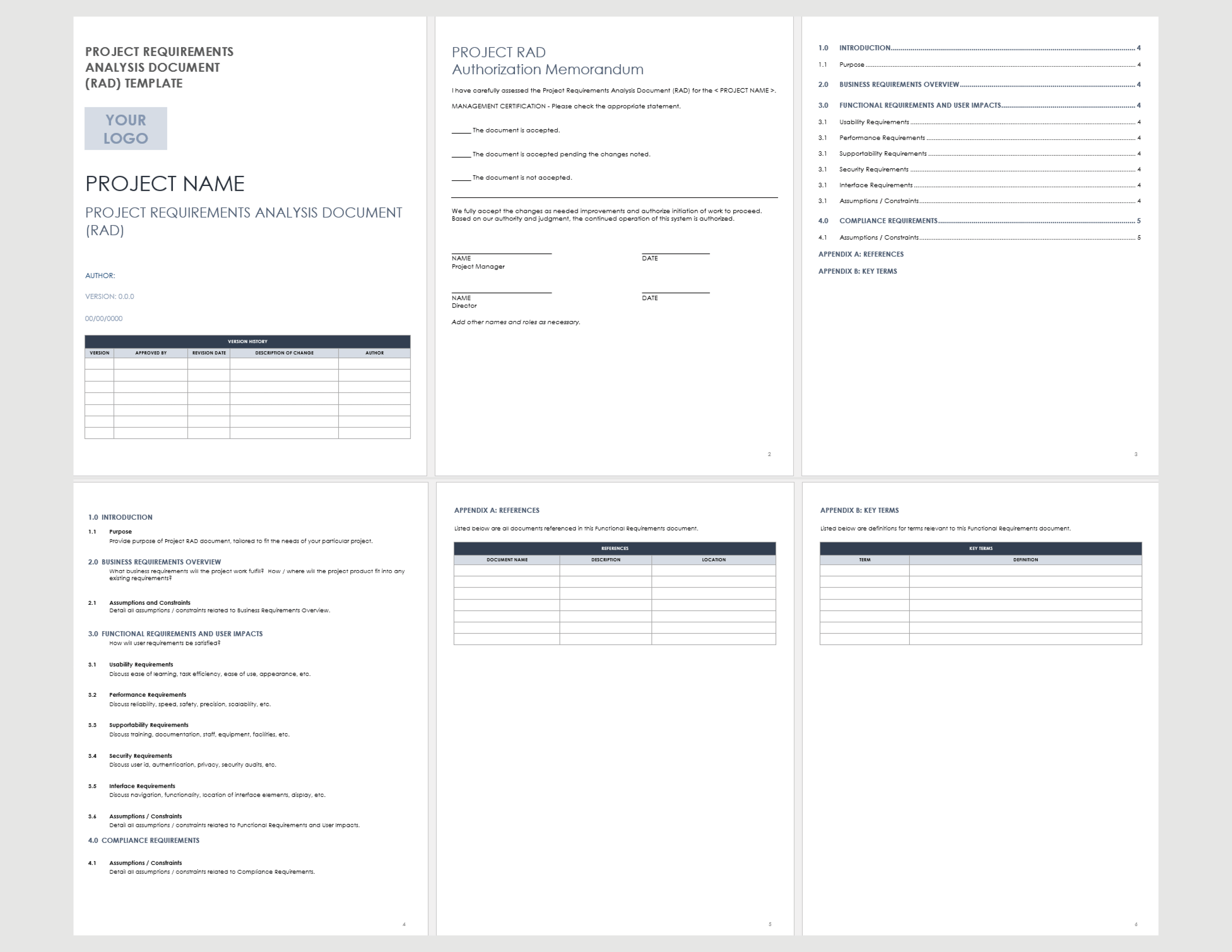
www.smartsheet.com
Business Requirements Questionnaire Template | Free Design Template

sharedesigntemplate.blogspot.com
30+ Questionnaire Templates (Word) – Template Lab In Business
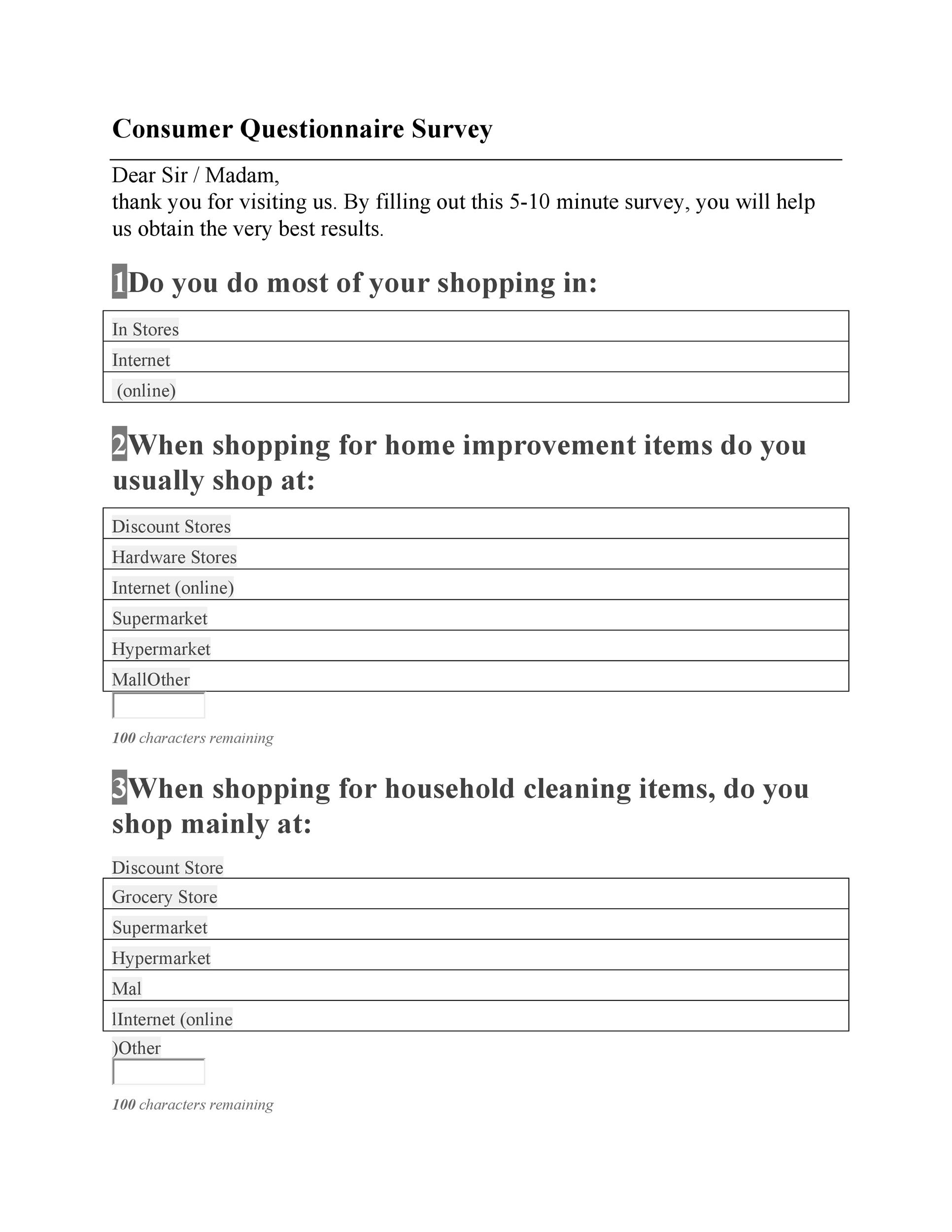
footballwchs.com
Free Business Requirements Document Templates To Edit Online & Print
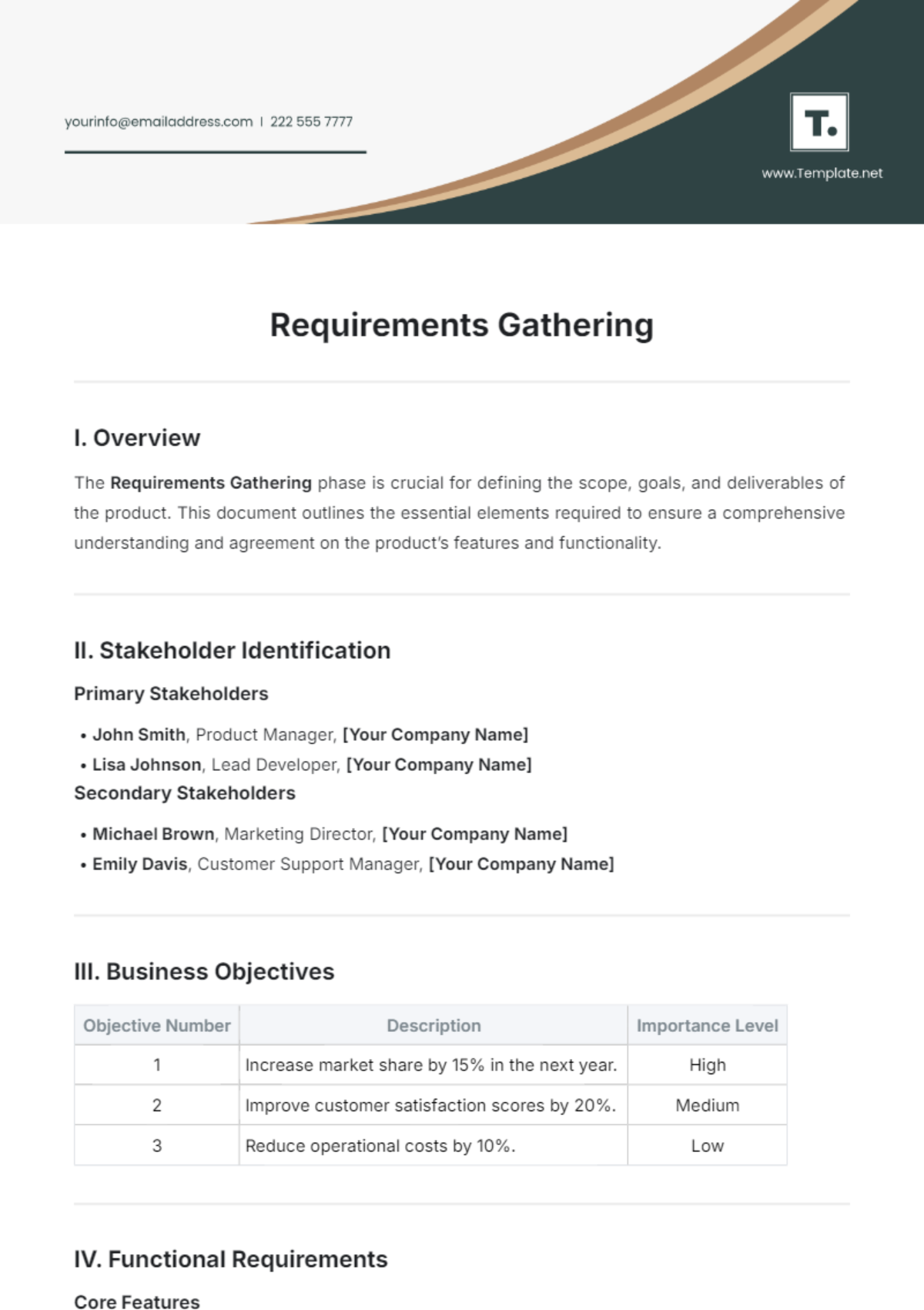
www.template.net
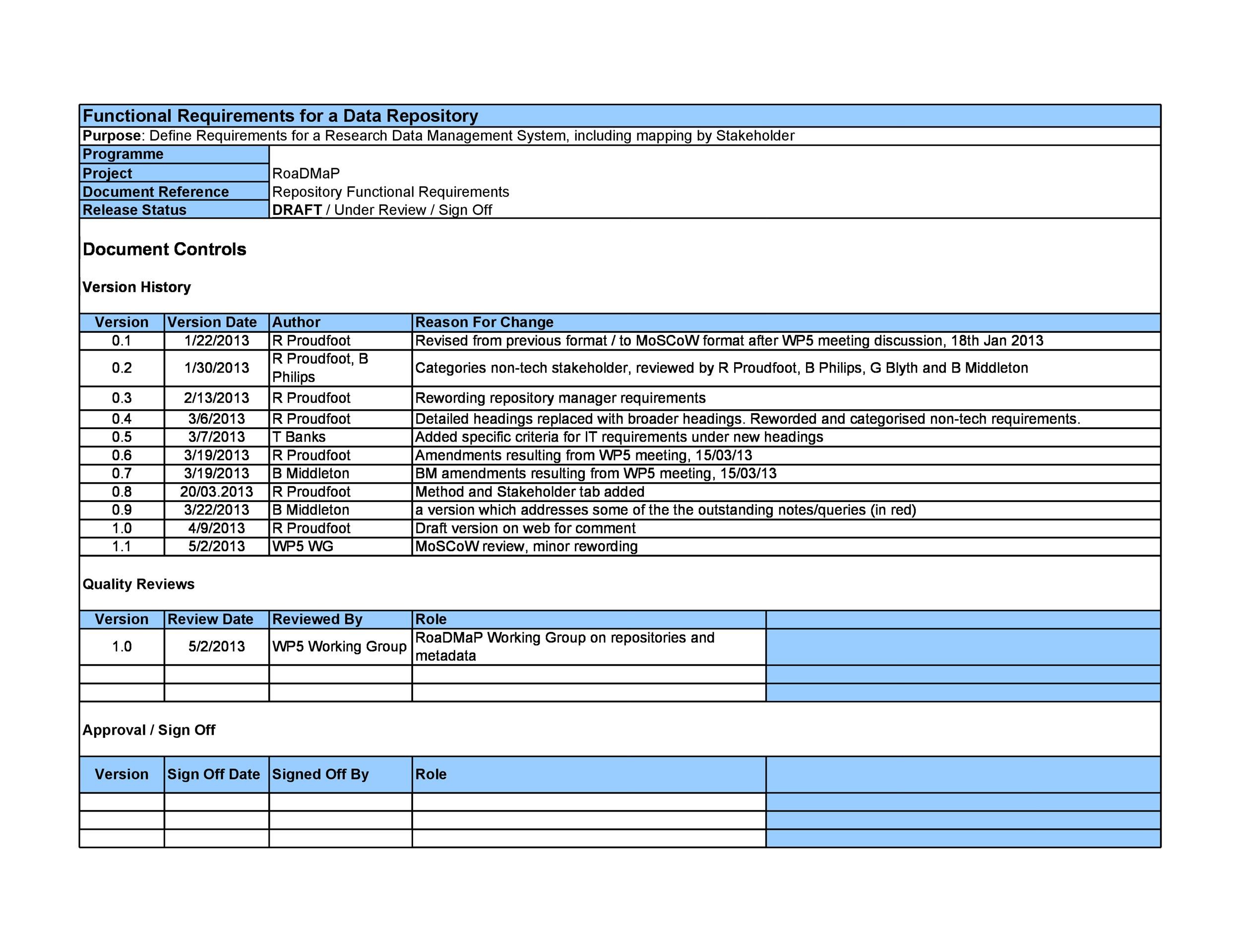
40+ Simple Business Requirements Document Templates ᐅ TemplateLab
templatelab.com
40+ Simple Business Requirements Document Templates – Template Lab
templatelab.com
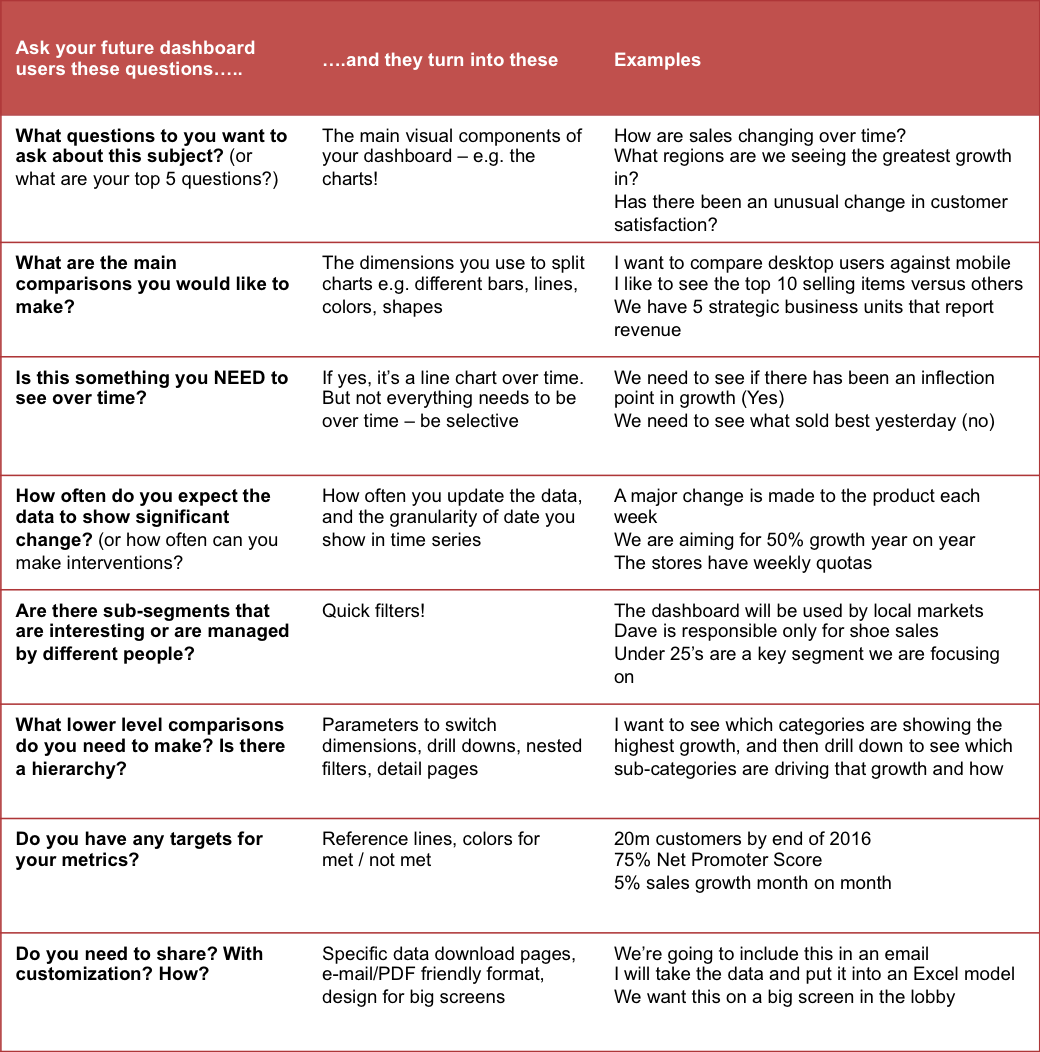
Business Requirements Questionnaire Template – PARAHYENA
www.parahyena.com
Business Requirements Questionnaire Template – PARAHYENA
www.parahyena.com
Free Printable Questionnaire Templates [Word, Excel, PDF] Examples
![Free Printable Questionnaire Templates [Word, Excel, PDF] Examples](https://www.typecalendar.com/wp-content/uploads/2023/05/questionnaire-template-free.jpg?gid=325)
www.typecalendar.com
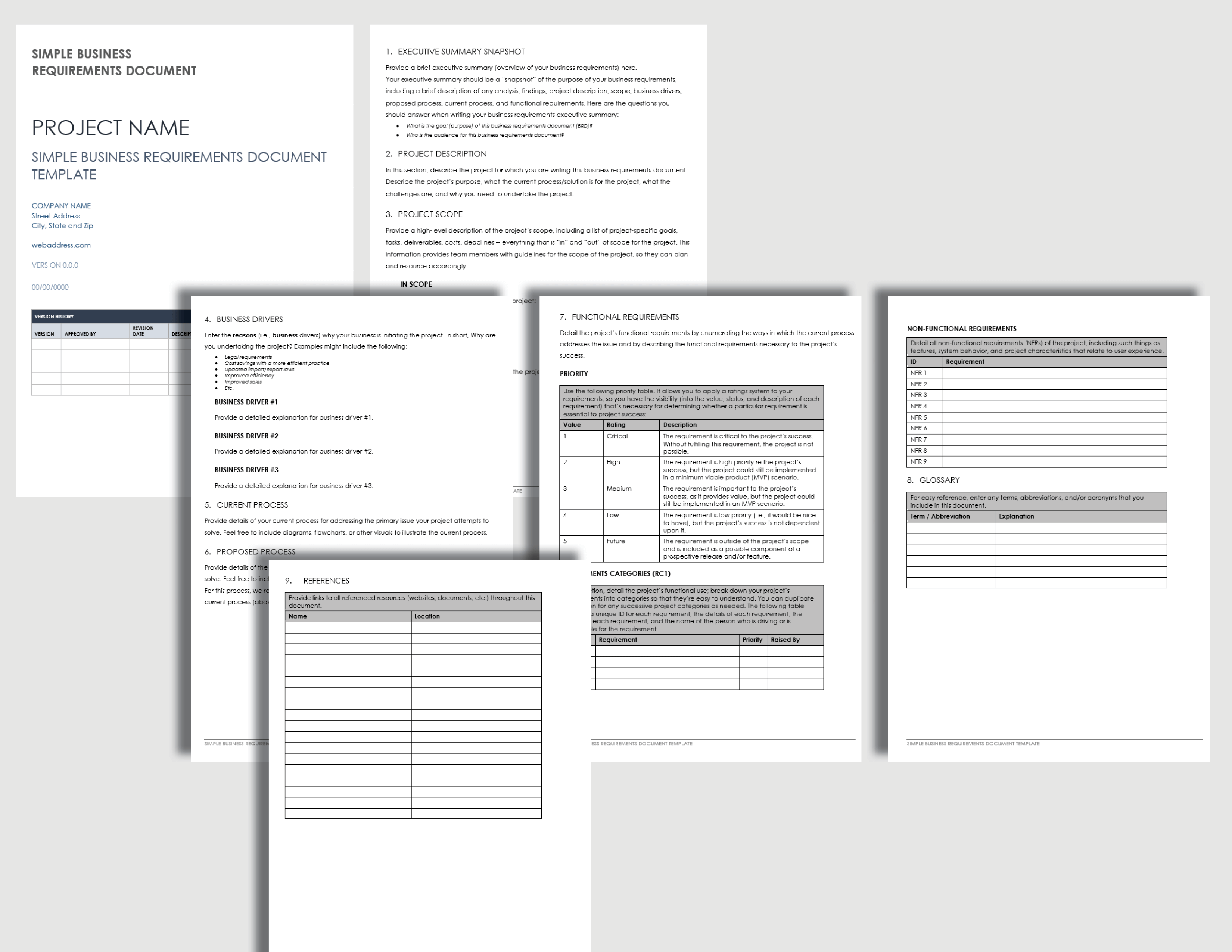
Download Free BRD Templates | Smartsheet
www.smartsheet.com
Business Requirement Document Template Simple – Professional Template

professionaltemplateinspiration.blogspot.com
40+ Simple Business Requirements Document Templates ᐅ TemplateLab

templatelab.com
Business Requirements Questionnaire Template – Sfiveband.com
www.sfiveband.com
Business Requirements Questionnaire Template
www.gretaforag.com
Standard Business Requirements Document Template In Word, Google Docs
www.template.net
30+ Questionnaire Templates (Word) – Template Lab
templatelab.com
How To Write & Use A Business Requirements Document + Usable Outline

www.usemotion.com
The business requirement document: what it is and how to write it [+5 …. Free business requirements document templates to edit online & print. 40+ simple business requirements document templates