Agile methodologies thrive on iterative development and continuous improvement. At the heart of this lies the user story, a concise and collaborative description of a feature from the user’s perspective. The Agile Story Card, often simply called a story card, is the tangible representation of this user story, acting as a placeholder for discussions, planning, and tracking progress. It’s a deceptively simple tool with immense power, facilitating communication and ensuring everyone involved understands the “who, what, and why” of each feature. But what exactly goes *on* this seemingly small piece of paper? This post delves into the essential components of a well-structured Agile Story Card Template, providing a blueprint for effective story creation.
Understanding the Agile Story Card Template
The Agile Story Card isn’t a rigid, one-size-fits-all document. Its purpose is to facilitate conversation and provide context, not to be a comprehensive specification. However, a standard template helps maintain consistency and ensures vital information is captured. Think of it as a starting point that can be adapted to suit your specific project needs and team preferences.
Essential Elements of a Robust Story Card
-
Story Title/Identifier:
A concise and descriptive title for the user story. This acts as a quick reference point for the team. It should be easily understandable and reflect the core functionality being delivered. A unique identifier (e.g., US-123) is also useful for tracking and referencing the story in project management tools. Avoid ambiguous titles like “Fix Bug” and instead use something like “As a User, I want to reset my password so I can access my account if I forget it.”
-
User Story:
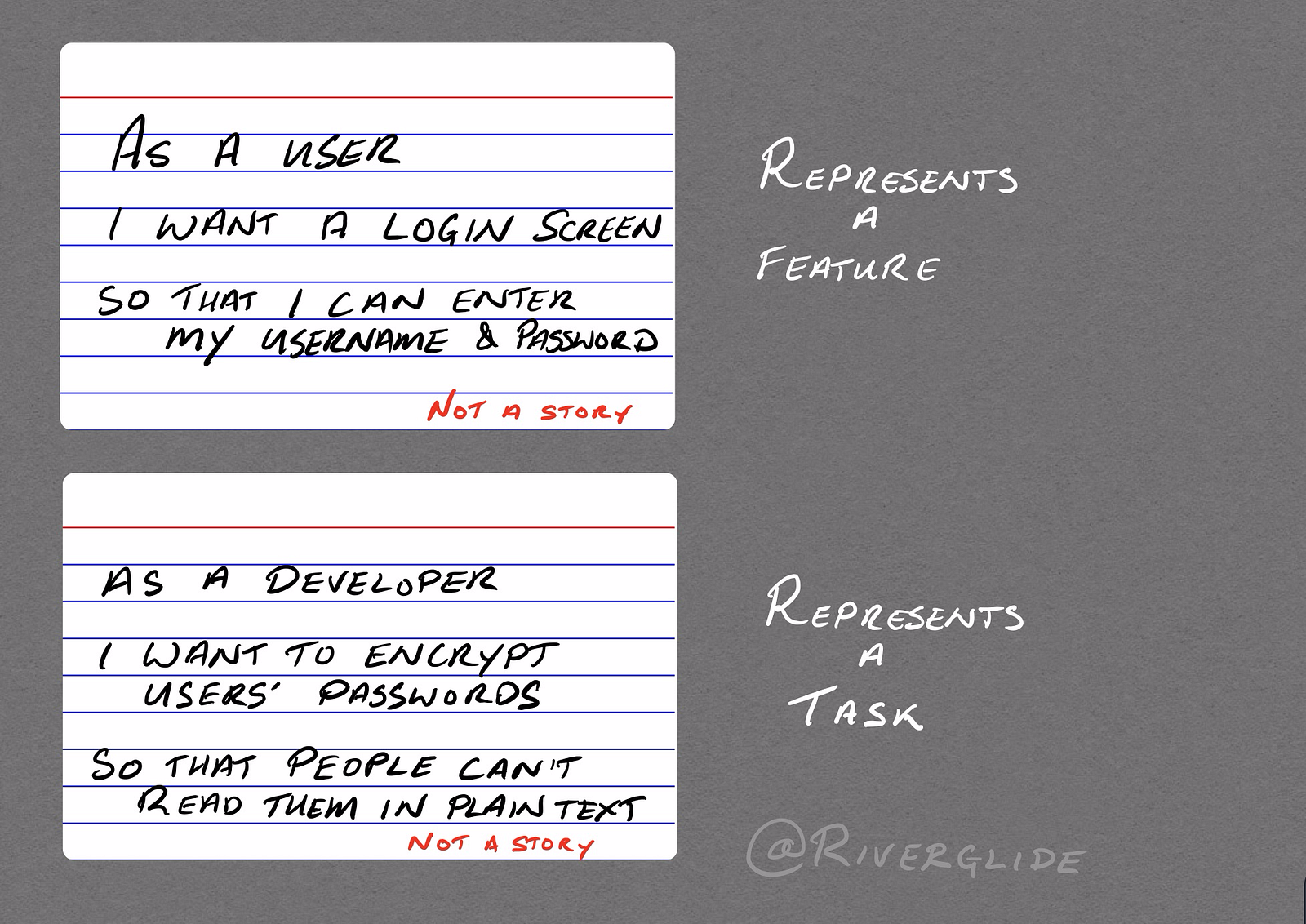
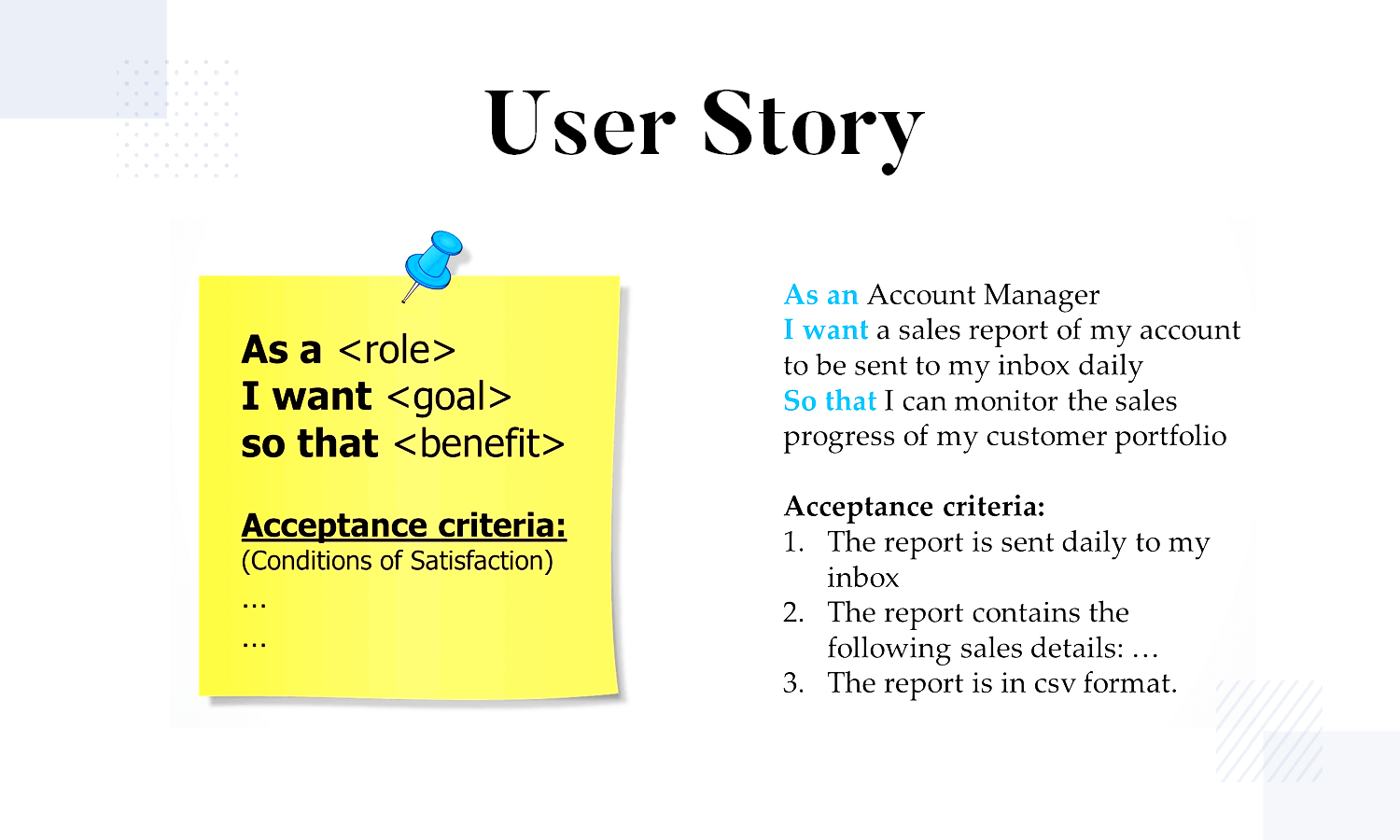
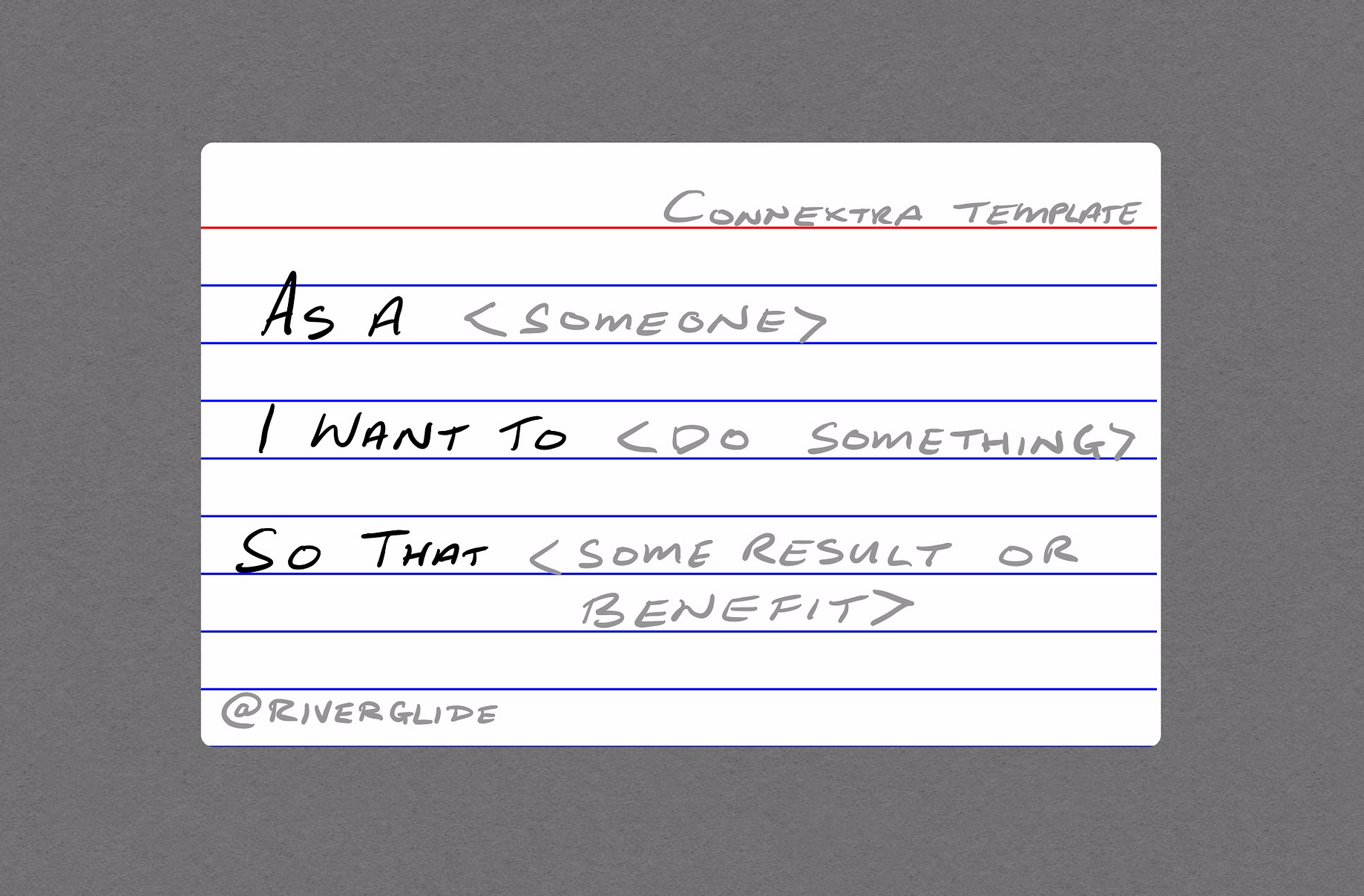
This is the heart of the card. It’s a short, simple statement expressing the desired functionality from the user’s perspective. The standard format is: “As a [user role], I want [goal/desire] so that [benefit/reason].” For example: “As a registered user, I want to receive email notifications about new product updates so that I stay informed about the latest features.”
-
Acceptance Criteria:
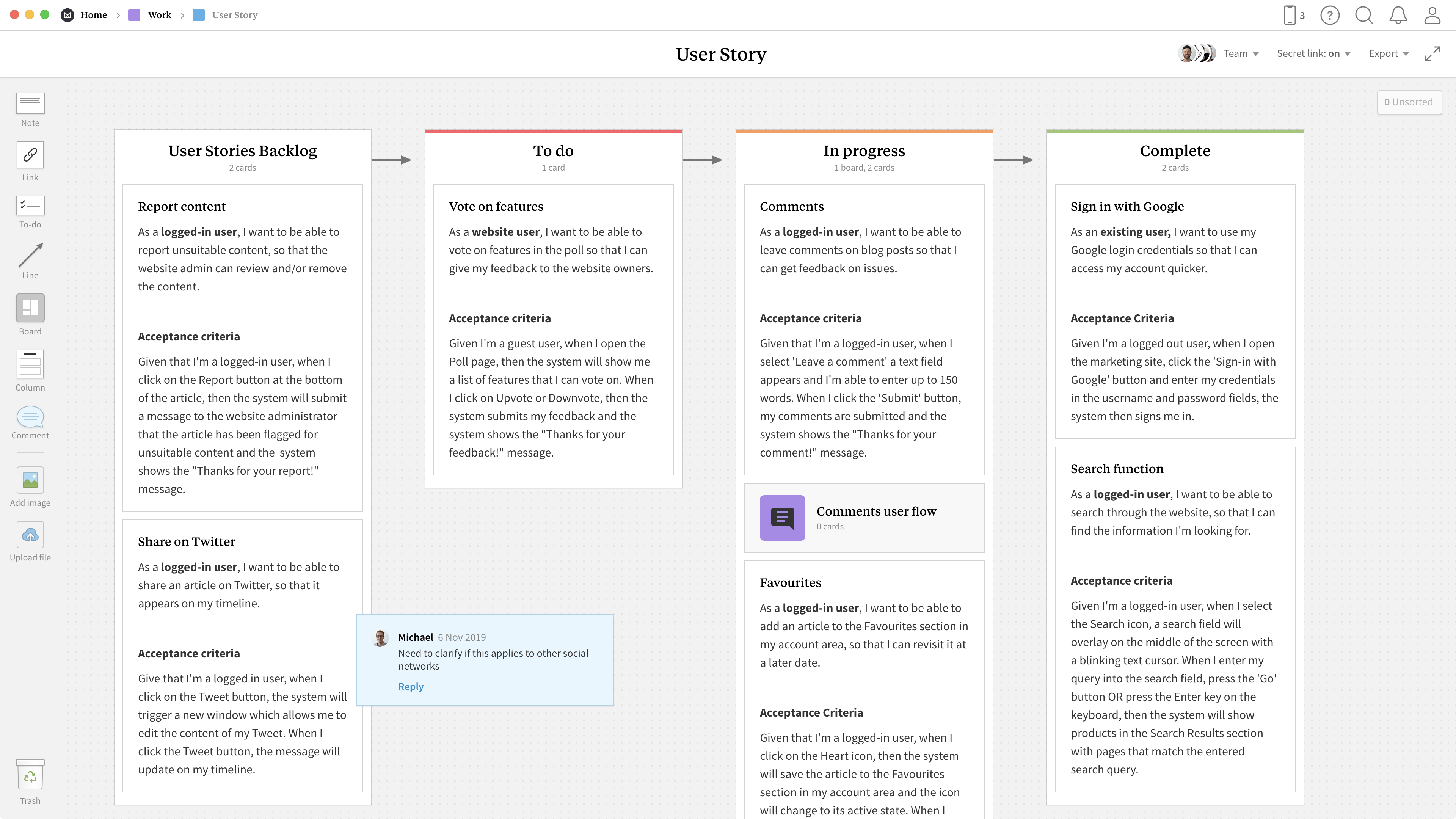
These are specific, measurable conditions that must be met for the story to be considered complete and successful. Acceptance criteria provide clarity on the expected outcome and help developers and testers determine when the story is ready for release. Each criterion should be testable and phrased from the user’s perspective. Examples: “The user receives an email notification within 5 minutes of a new product update being released,” “The email notification contains a link to the product update details,” “The user can unsubscribe from email notifications.”
-
Effort Estimate (Story Points):
An estimate of the complexity, risk, and effort required to complete the story. Story points are relative units, not absolute time estimates. Teams use techniques like planning poker to collaboratively assign story points. Common scales include the Fibonacci sequence (1, 2, 3, 5, 8, 13, 20…). This provides a relative size comparison of the stories within the sprint.
-
Priority:
Indicates the relative importance of the story compared to other stories. This helps the product owner prioritize the backlog and ensure that the most valuable features are delivered first. Common priority levels include: High, Medium, Low, or Critical. Prioritization should be based on business value, risk, and dependencies.
-
Notes/Comments:
A space for capturing any additional information or context related to the story. This might include links to design documents, API specifications, or other relevant resources. It can also be used to record important decisions or assumptions made during discussions about the story.
-
Testing Notes:
Dedicated space for testers to note specific testing requirements, edge cases, or test data that should be considered when testing the story. This can help ensure that all aspects of the story are thoroughly tested.
-
Attachments/References:
Mentioning any external attachments, documents, or links pertinent to the Story. For example, it could refer to design mockups, database schemas, or external API documentation.
Benefits of Using a Standard Agile Story Card Template
Adopting a consistent story card template offers numerous advantages:
- Improved Communication: Provides a shared understanding of the user story and its requirements.
- Enhanced Collaboration: Facilitates collaboration between developers, testers, and product owners.
- Reduced Ambiguity: Clarifies the scope and acceptance criteria of the story, minimizing misunderstandings.
- Better Prioritization: Enables informed prioritization based on business value, risk, and dependencies.
- Efficient Development: Streamlines the development process by providing clear guidance to developers.
- Effective Testing: Ensures comprehensive testing by outlining specific testing requirements and edge cases.
- Consistent Tracking: Allows for consistent tracking of progress and performance across all stories.
In conclusion, the Agile Story Card Template is a critical tool for effective agile development. By incorporating these essential elements and adapting the template to your specific needs, you can foster better communication, collaboration, and ultimately, deliver higher-quality software that meets user needs.
If you are looking for Issue Printer – Print Agile Board Cards | Atlassian Marketplace for you’ve visit to the right place. We have 22 Pics about Issue Printer – Print Agile Board Cards | Atlassian Marketplace for like Agile User Story Template – Printable Word Searches, Agile Story Card Template – 10+ Examples of Professional Templates Ideas and also Agile Story Card Template – Mightyprintingdeals.com. Here it is:
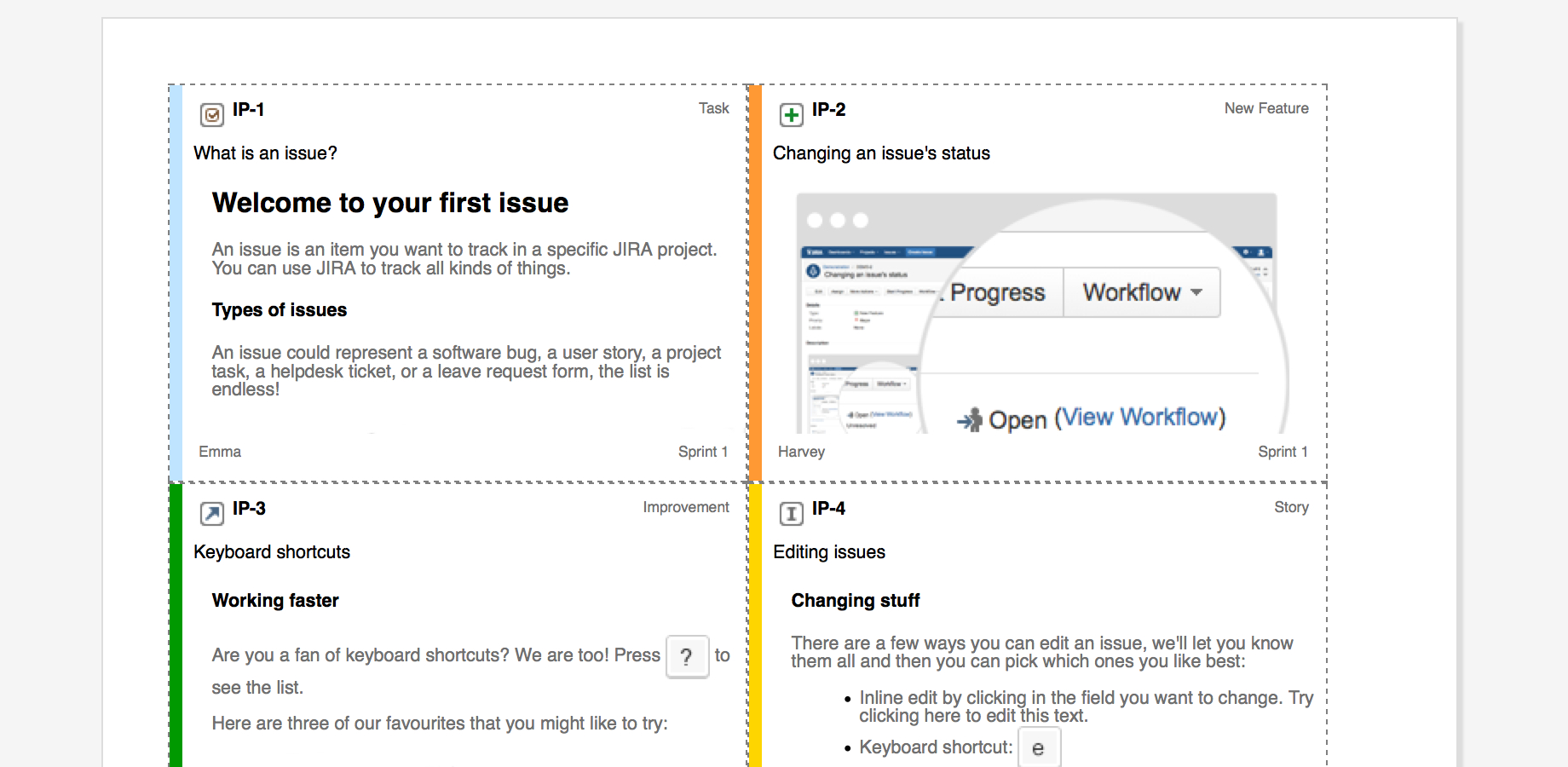
Issue Printer – Print Agile Board Cards | Atlassian Marketplace For
www.xfanzexpo.com
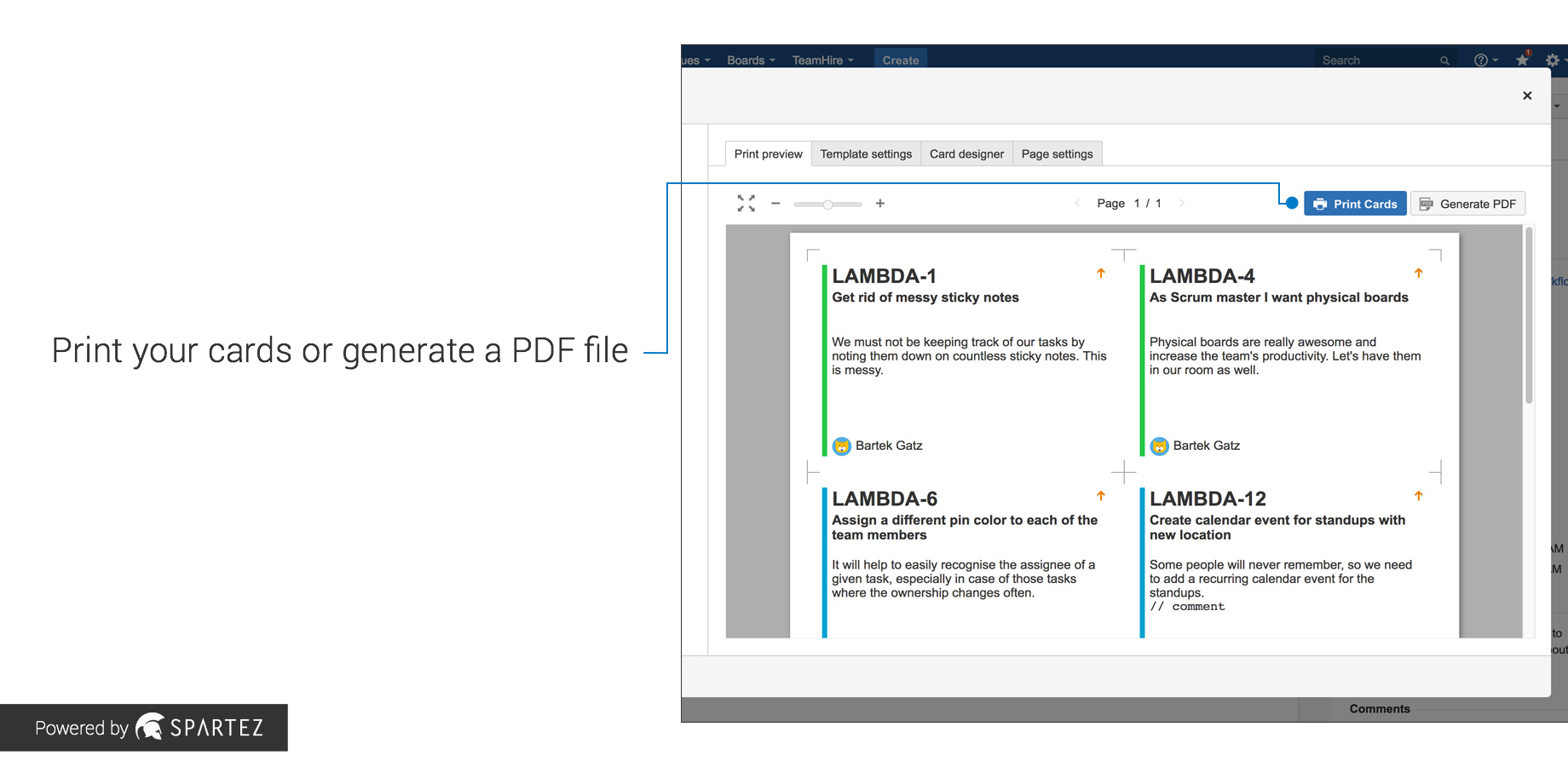
Agile Story Card Template – Great Professional Templates
template.maexproit.com
Scrum Cards Template ] – Scrum Product Management The Throughout Agile
![Scrum Cards Template ] – Scrum Product Management The Throughout Agile](https://business.maexproit.com/wp-content/uploads/2020/03/scrum-cards-template-scrum-product-management-the-throughout-agile-story-card-template.png)
business.maexproit.com
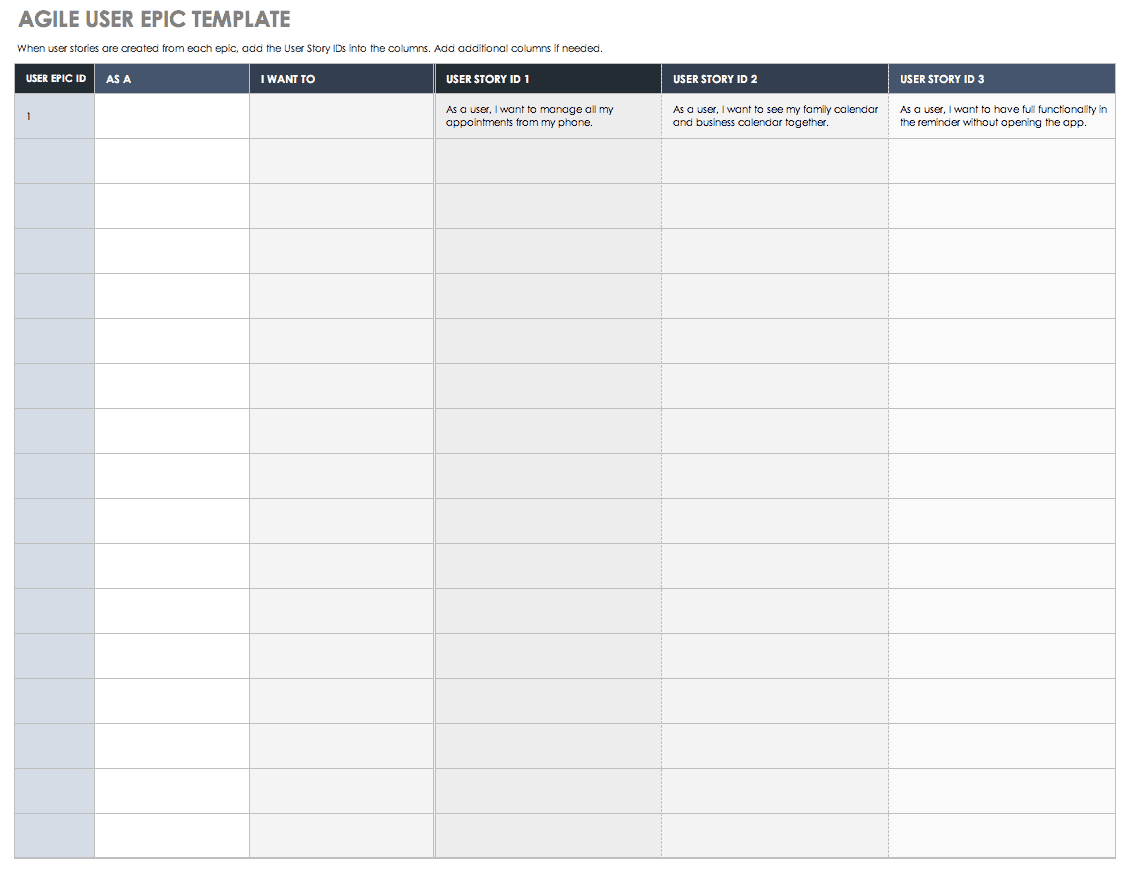
Download Free User Story Templates |Smartsheet Throughout Agile Story
template.maexproit.com
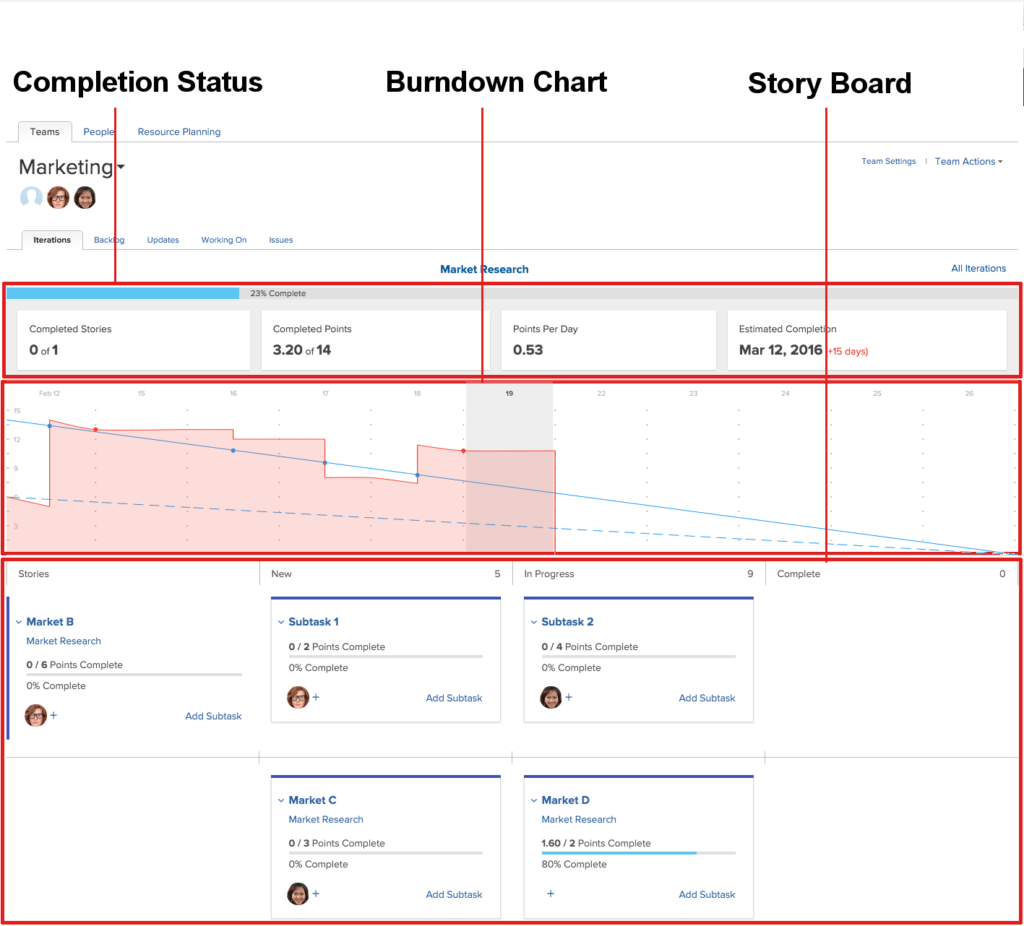
Using The Scrum Agile Story Board – Workfront Throughout Agile Story
www.atlantaauctionco.com
Agile Story Card Template – 10+ Examples Of Professional Templates Ideas
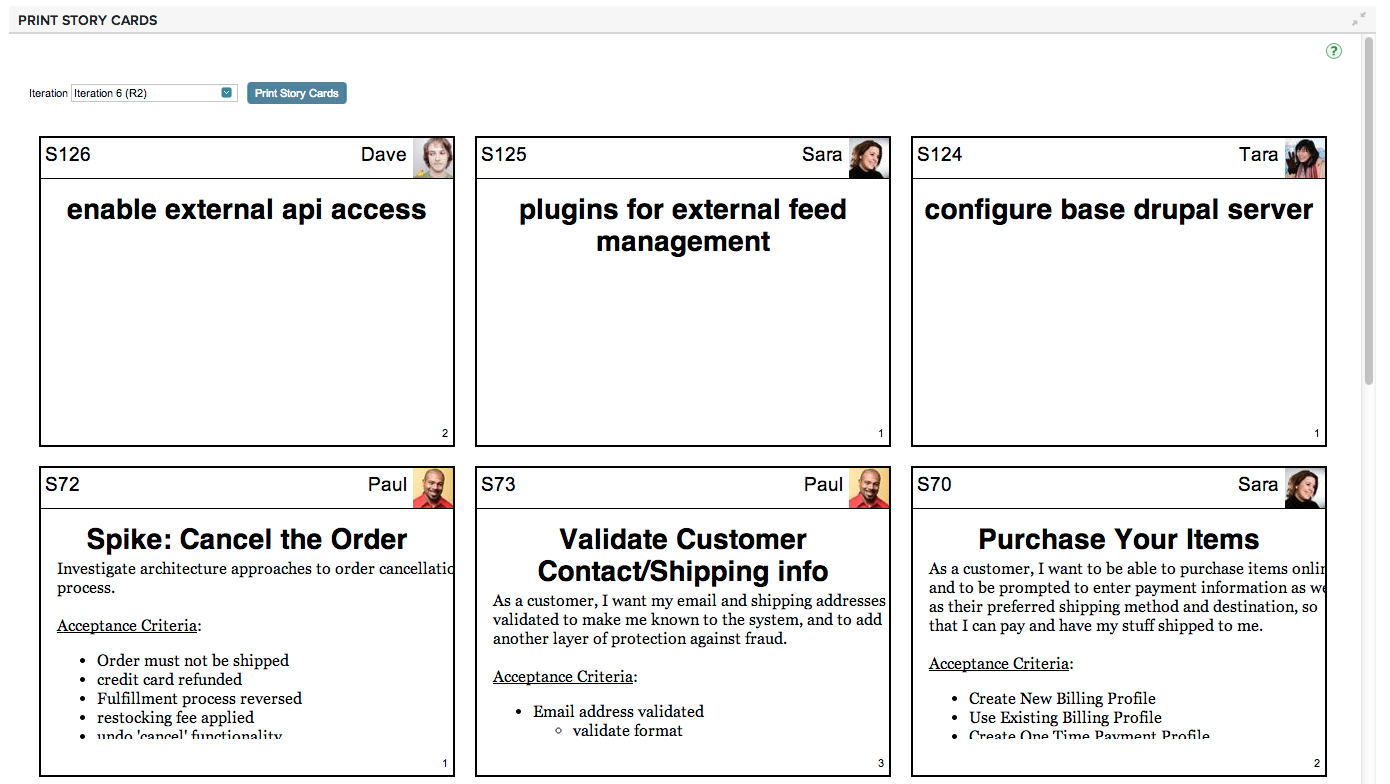
vancecountyfair.com
Agile Story Card Template – Mightyprintingdeals.com
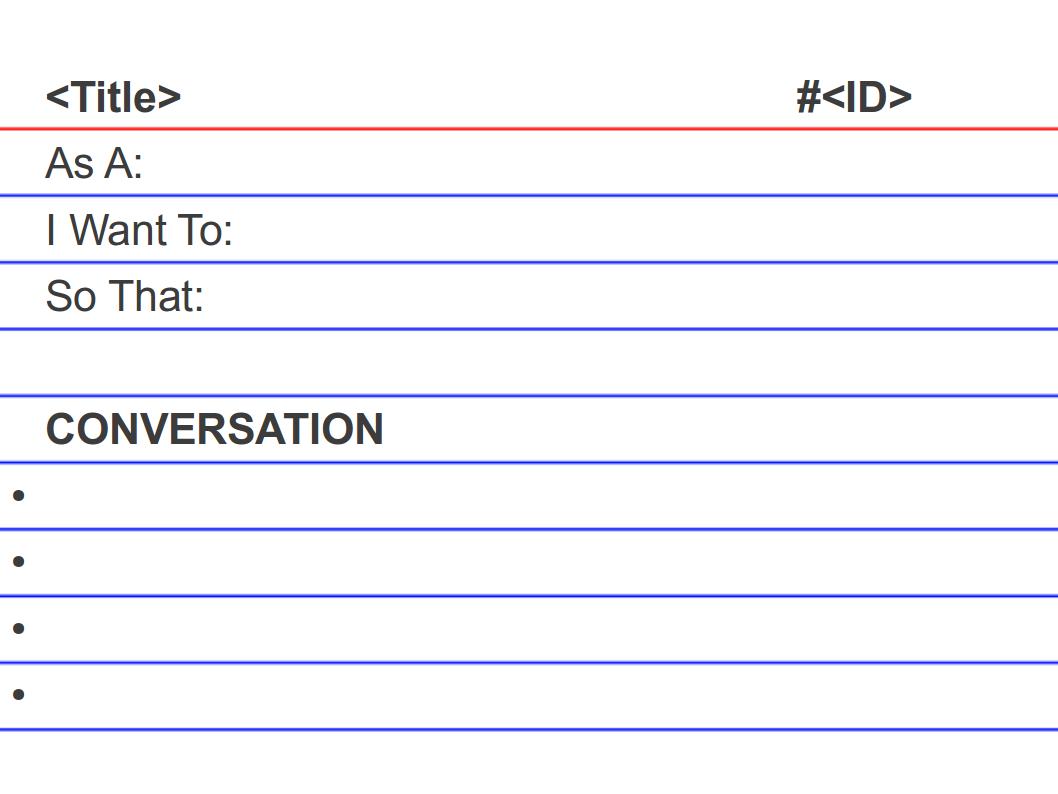
www.mightyprintingdeals.com
39 Agile User Story Templates (Word & Excel) ᐅ TemplateLab
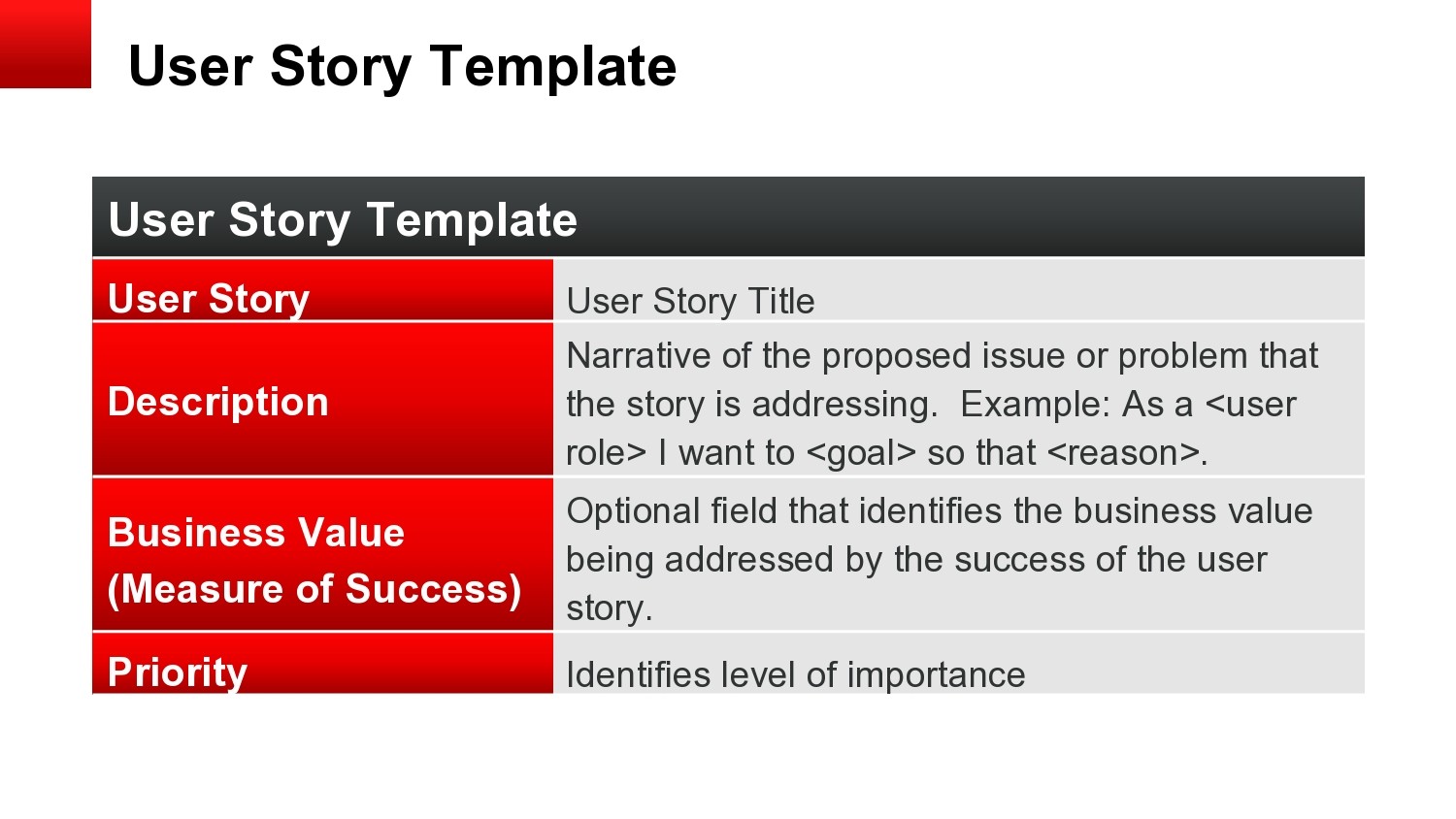
templatelab.com
Agile Story Card Template – Mightyprintingdeals.com
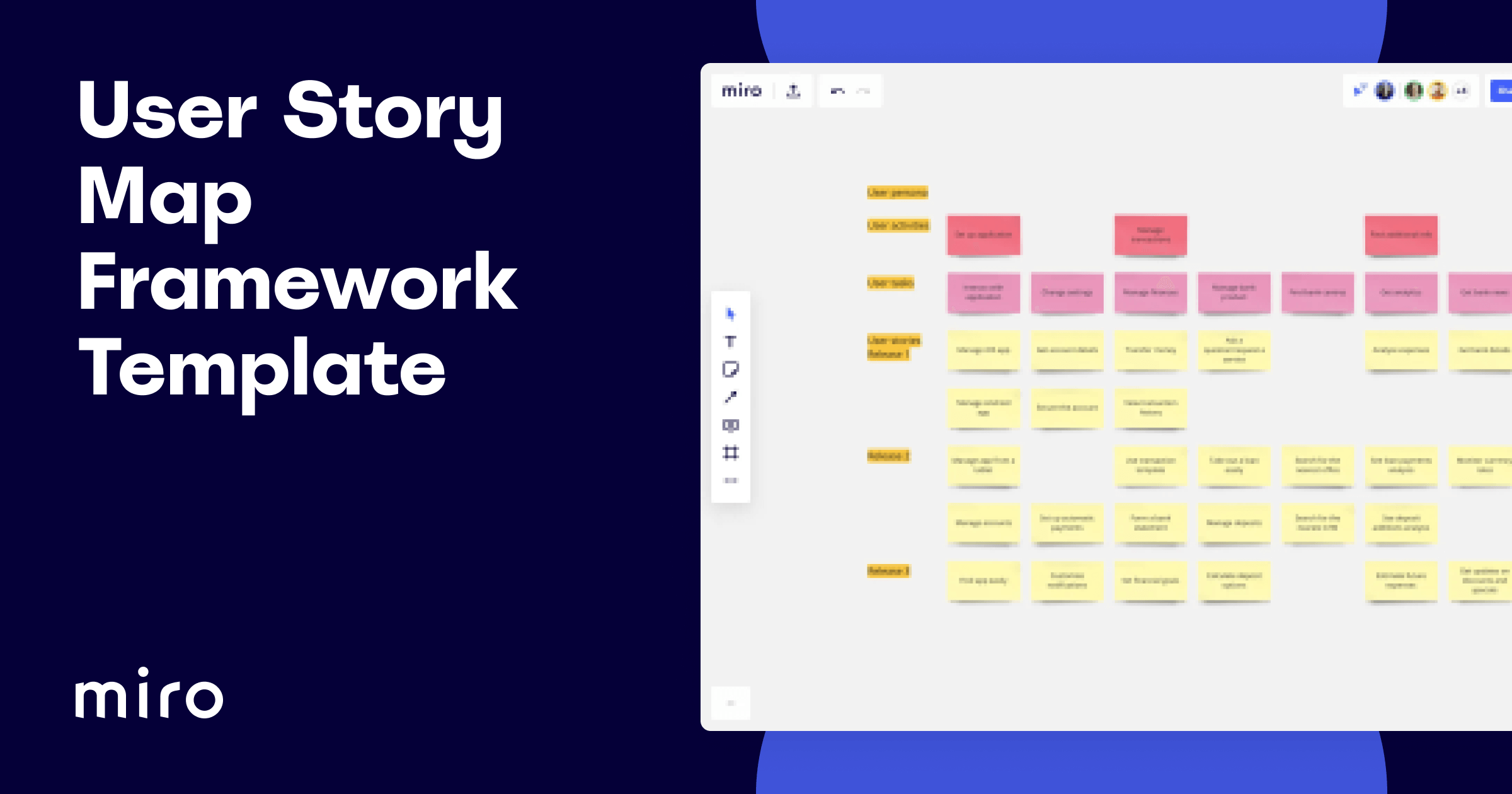
www.mightyprintingdeals.com
Agile Story Card Template – Mightyprintingdeals.com
www.mightyprintingdeals.com
Agile Methodology User Stories Template – Template
old.wellicious.com
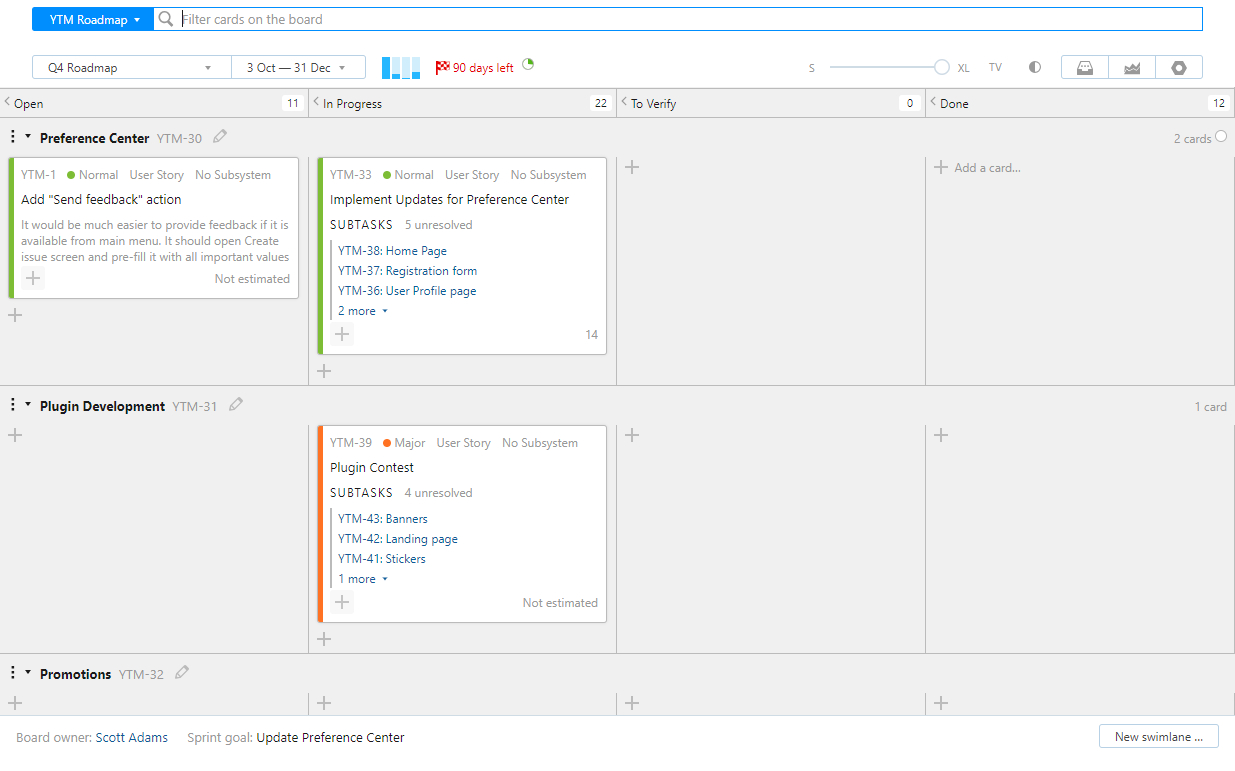
Agile Boards For Epics – Help | Youtrack Incloud Pertaining To Agile
www.xfanzexpo.com
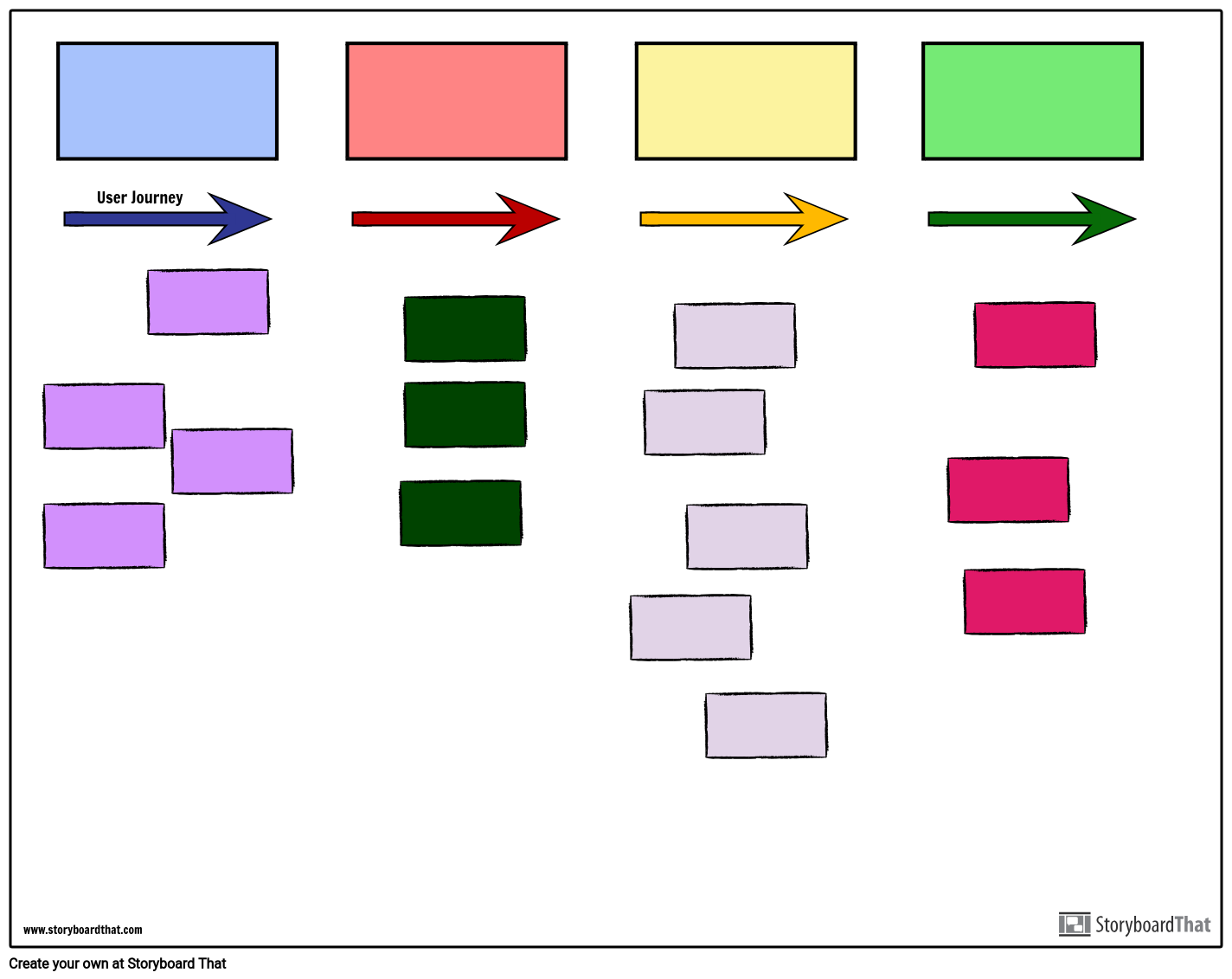
Agile Development: User Story Mapping | Storyboard That
www.storyboardthat.com
User Stories: Why Is It Important To Agile? – Agile Scrum In Agile

www.pinterest.com
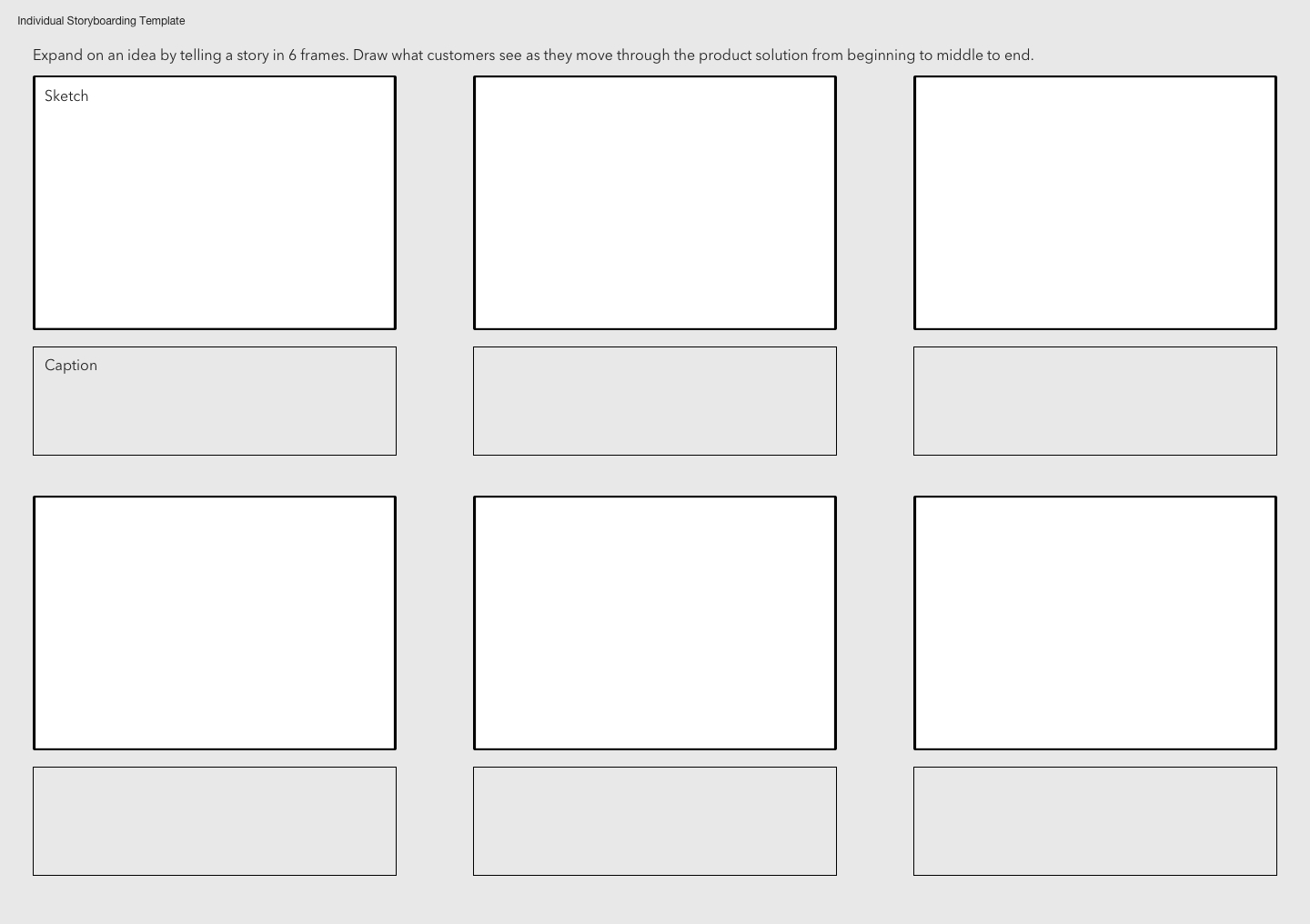
Agile Story Card Template – Nwavwa.com
www.nwavwa.com
Agile User Story Template – Printable Word Searches

davida.davivienda.com
Agile Story Card Template
www.cardtemplate.my.id
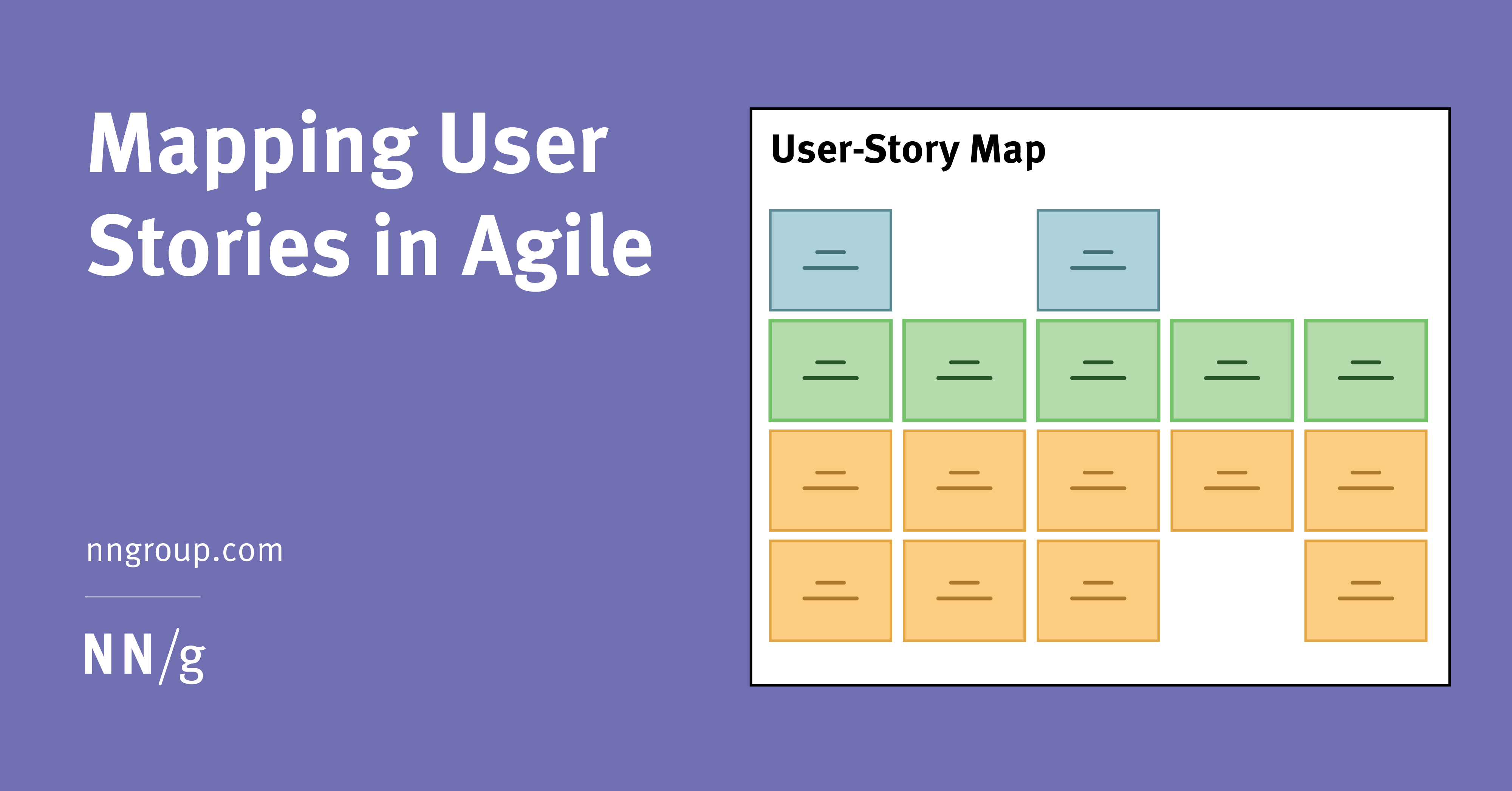
Agile Methodology User Stories Template – Template
old.wellicious.com
Agile User Stories – SitePoint Premium

www.sitepoint.com
Agile Story Card Template – Mightyprintingdeals.com
www.mightyprintingdeals.com
Story Card Template Is Filled During Which Phase In Agile In Agile

www.pinterest.com
Agile Story Card Template – Mightyprintingdeals.com

www.mightyprintingdeals.com
agile methodology user stories template. Issue printer – print agile board cards. Agile story card template – mightyprintingdeals.com
Related posts of "Agile Story Card Template"
