So, you’ve got a killer business idea simmering in your brain, the kind that keeps you up at night, scribbling notes on napkins. Awesome! But having a great idea is only half the battle. You need to be able to articulate that idea, to *sell* that vision to potential investors, partners, or even your future team. That’s where a well-structured business idea pitch template comes in handy. Think of it as your roadmap to entrepreneurial success, a clear and concise guide that ensures you hit all the right notes and leave a lasting impression. It helps you organize your thoughts, identify potential weaknesses in your plan, and communicate your passion effectively. A haphazard, rambling pitch is a surefire way to lose your audience. A polished, compelling pitch, on the other hand, can open doors and unlock opportunities you never thought possible.
Don’t underestimate the power of a solid template. It’s not just about filling in blanks; it’s about understanding the fundamental elements that make a business idea investable and exciting. It’s about crafting a narrative that resonates with your audience, leaving them convinced that *you* are the person to bring this vision to life. So, let’s dive into a comprehensive business idea pitch template, breaking down each section and explaining why it’s crucial for your success.
Business Idea Pitch Template
-
1. The Problem (The Pain Point)
What problem are you solving? This is where you grab attention. Clearly and concisely describe the pain point your target audience is experiencing. Be specific. Avoid vague statements. Quantify the problem if possible. Use statistics, anecdotes, or real-life examples to illustrate the severity of the issue. Avoid jargon and speak in language that everyone can understand. Think: “Small businesses struggle to manage their social media effectively due to lack of time and expertise, leading to lost revenue and missed opportunities.” not “Leveraging synergistic paradigms to disrupt the social media management ecosystem.”
-
2. The Solution (Your Value Proposition)
How does your product or service solve the problem? This is where you introduce your offering. Explain *exactly* what you provide and how it directly addresses the problem you outlined in the previous section. Focus on the benefits for the customer, not just the features of your product. Highlight what makes your solution unique and better than existing alternatives. Explain how your solution is better, faster, cheaper, or more convenient. Show, don’t just tell. Use visuals if possible (a mock-up of your app, a diagram of your service, etc.). This section should be crystal clear and easily understandable.
-
3. Target Market (Who Are Your Customers?)
Who are you selling to? Define your ideal customer. Be specific. Don’t just say “everyone.” Identify demographics, psychographics, and behavioral patterns. What are their needs, wants, and pain points? How big is your target market? What is its growth potential? Is it a niche market or a mass market? The more you understand your target market, the better you can tailor your product and marketing efforts to reach them effectively. Segmenting your market is key to focusing your efforts. For example, instead of targeting “small businesses,” you might target “restaurants with fewer than 20 employees in urban areas.”
-
4. Business Model (How Will You Make Money?)
How will you generate revenue? This is the core of your business. Outline your revenue streams. Will you charge a subscription fee, sell products, offer services, or rely on advertising? Explain your pricing strategy and how it compares to competitors. What are your cost structures? What is your break-even point? What are your gross margins? Investors want to see a clear path to profitability. Be realistic and transparent about your financial projections. Show how your revenue will cover your expenses and generate a profit.
-
5. Competition (Who Else Is Out There?)
Who are your competitors and what’s your competitive advantage? Don’t pretend that you have no competition. Acknowledge existing players in the market. Analyze their strengths and weaknesses. What are your unique selling points (USPs)? What makes you different and better? How will you compete on price, quality, or features? What is your barrier to entry? What prevents competitors from easily copying your business model? Identify both direct and indirect competitors. A strong understanding of your competitive landscape demonstrates your market awareness.
-
6. Team (Who Are You?)
Who are the key members of your team and what relevant experience do they bring? Investors invest in people, not just ideas. Highlight the skills and experience of your team members. Emphasize relevant expertise and accomplishments. Showcase your team’s ability to execute your vision. If you have gaps in your team, acknowledge them and outline your plan to address them. A strong team with complementary skills is crucial for success. Include brief biographies and relevant experience for each key team member.
-
7. Traction & Milestones (What Have You Achieved So Far?)
What progress have you made? If you’re already generating revenue, have secured pilot customers, or have built a prototype, highlight these achievements. Showcase any early validation of your business idea. This could include positive customer feedback, successful marketing campaigns, or partnerships with other companies. Evidence of traction demonstrates that your idea has potential and that you’re making progress towards your goals. Quantifiable results are always more impactful than qualitative statements.
-
8. Financial Projections (Where Are You Headed?)
What are your projected revenues, expenses, and profitability over the next 3-5 years? Provide realistic financial projections based on your market research and assumptions. Include key metrics such as customer acquisition cost, lifetime value of a customer, and monthly recurring revenue. Investors want to see that you have a clear understanding of your financial potential. Back up your projections with data and sound reasoning. Include key assumptions that drive your projections.
-
9. Funding Request (What Do You Need?)
How much funding are you seeking and how will you use it? Be specific about the amount of funding you need and how you plan to allocate it. Outline your planned use of funds (e.g., product development, marketing, hiring). Explain how the funding will help you achieve your milestones and grow your business. A clear and concise funding request demonstrates that you have a well-thought-out plan and that you’re using the funds wisely.
-
10. The Ask (What Do You Want From The Audience?)
What specific action do you want the audience to take? Do you want them to invest, become a partner, provide mentorship, or connect you with other potential investors? Be clear about your “ask” and make it easy for the audience to respond. A strong call to action leaves a lasting impression and increases the likelihood of a positive outcome. Don’t be afraid to be direct and specific. For example, “We are seeking $500,000 in seed funding in exchange for 10% equity. We would also value introductions to potential customers in the restaurant industry.”
Remember, this is just a template. Adapt it to fit your specific business idea and target audience. Practice your pitch until you can deliver it confidently and persuasively. Good luck!
If you are searching about Business Impact Pitch Deck Powerpoint Template (With inside Best you’ve came to the right place. We have 22 Images about Business Impact Pitch Deck Powerpoint Template (With inside Best like Business Idea Pitch Template – Professional Template Inspiration, 12+ Business Pitch Deck Templates and Design Best Practices to Impress and also Social Media Advertising Campaign Idea Pitch Template in Word, PDF. Here it is:
Business Impact Pitch Deck Powerpoint Template (With Inside Best
footballwchs.com
12+ Business Pitch Deck Templates And Design Best Practices To Impress

venngage.com
12+ Business Pitch Deck Templates And Design Best Practices To Impress

venngage.com
Business Pitch Powerpoint Template ~ PowerPoint Templates ~ Creative Market
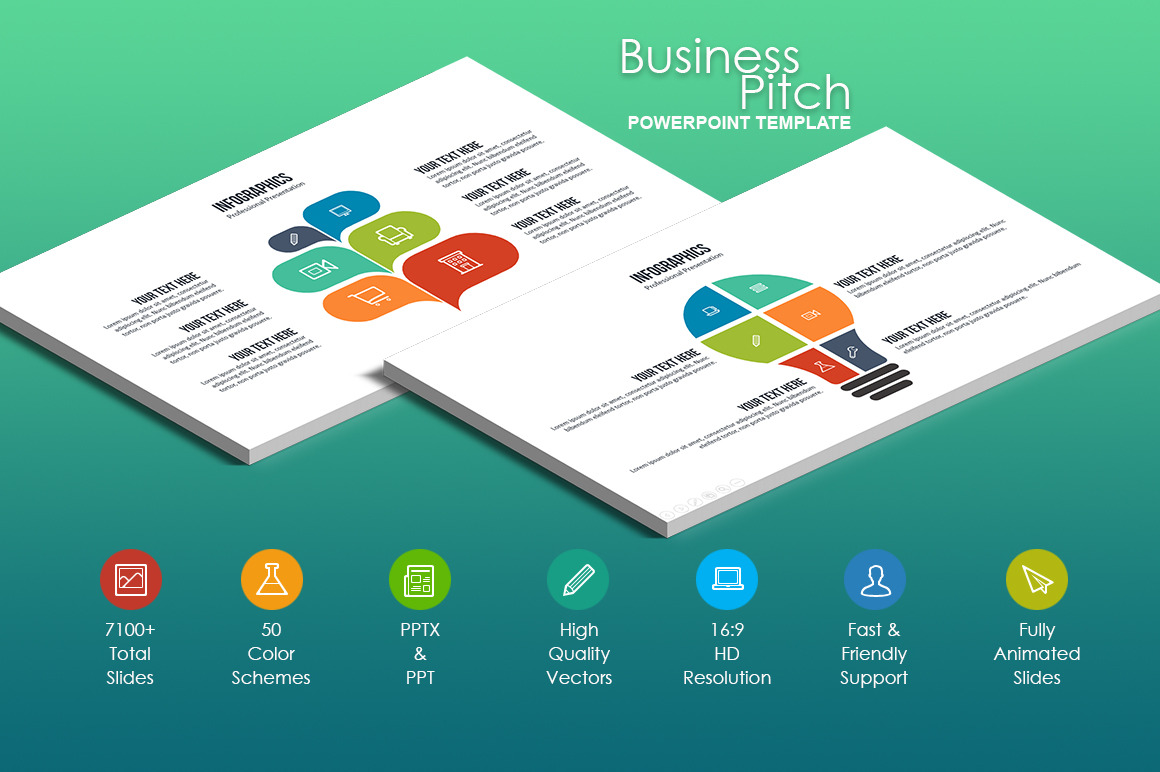
creativemarket.com
25+ Best Pitch Deck Examples, Tips & Templates For 2019 – Venngage

venngage.com
Pitch Powerpoint Template
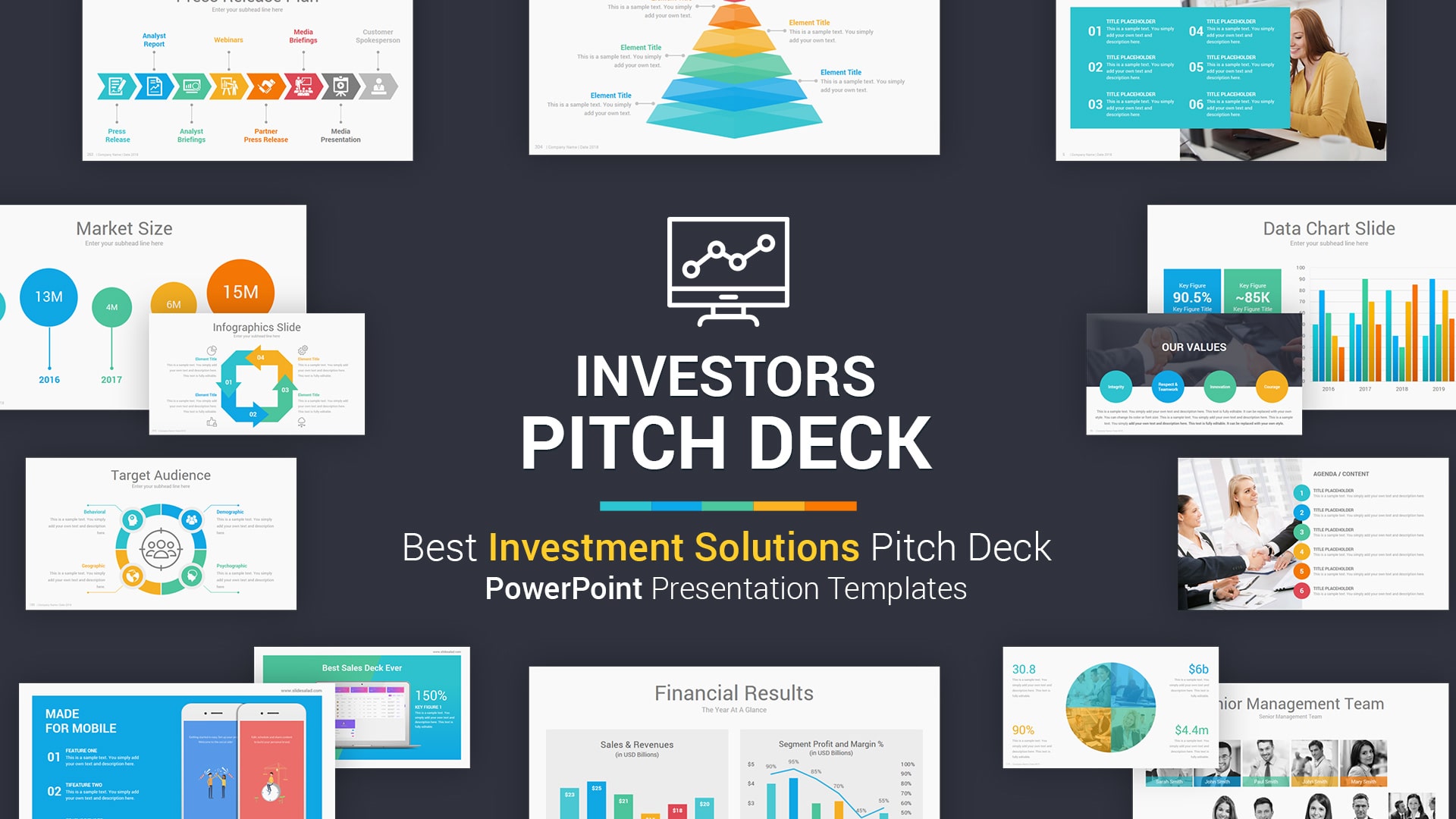
animalia-life.club
Business Idea Pitch Template – PARAHYENA
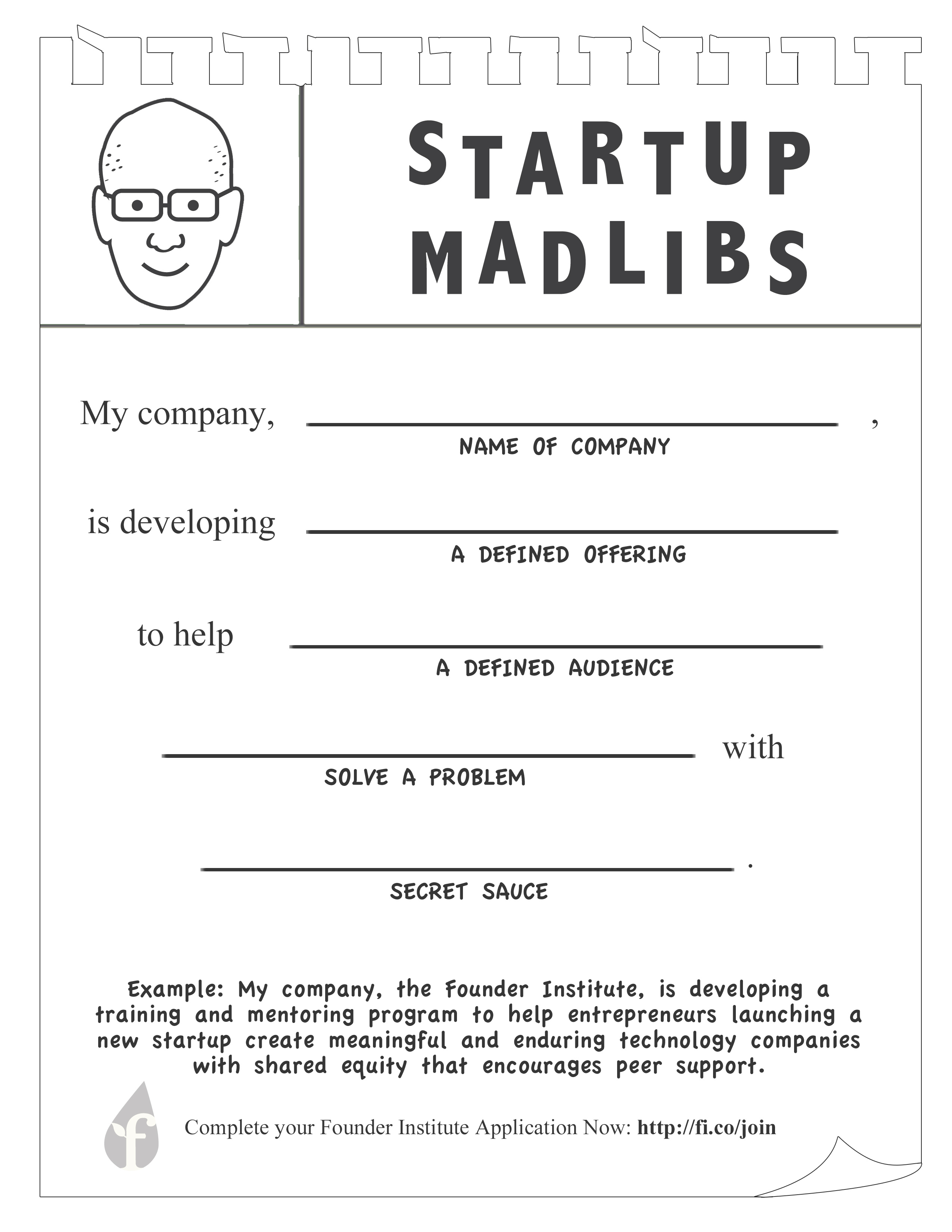
www.parahyena.com
How To Engineer A Perfect Business Pitch — Infographic Templates

www.pinterest.com
Corporate Pitch Powerpoint Template, A Presentation Template By
creativemarket.com
What Is A Pitch Deck? Examples, Tips And Templates (2021)

visme.co
Business Idea Pitch Template – Professional Template Inspiration
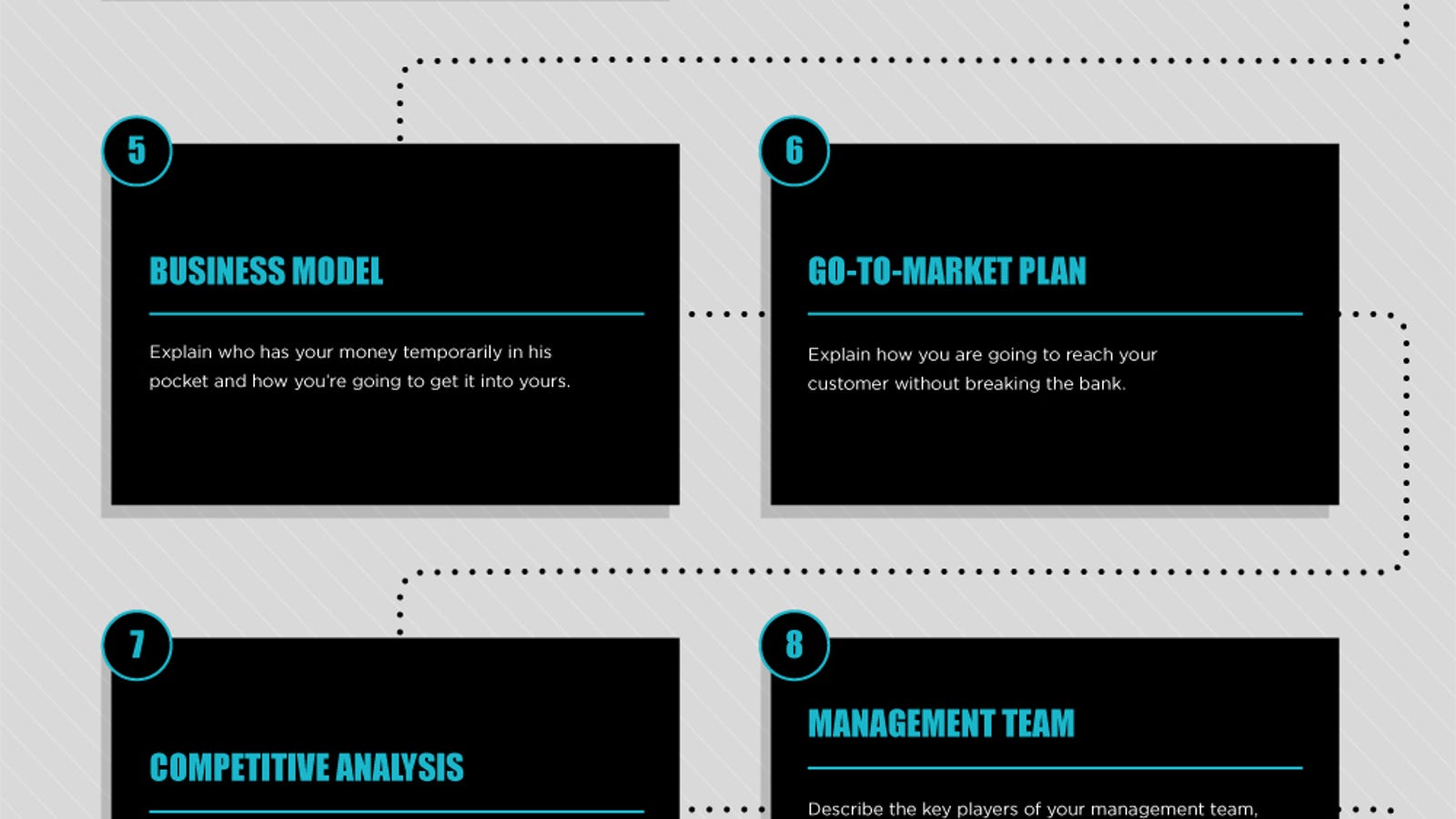
professionaltemplateinspiration.blogspot.com
Business Idea Pitch Template – Sarseh.com

sarseh.com
Social Media Advertising Campaign Idea Pitch Template In Word, PDF
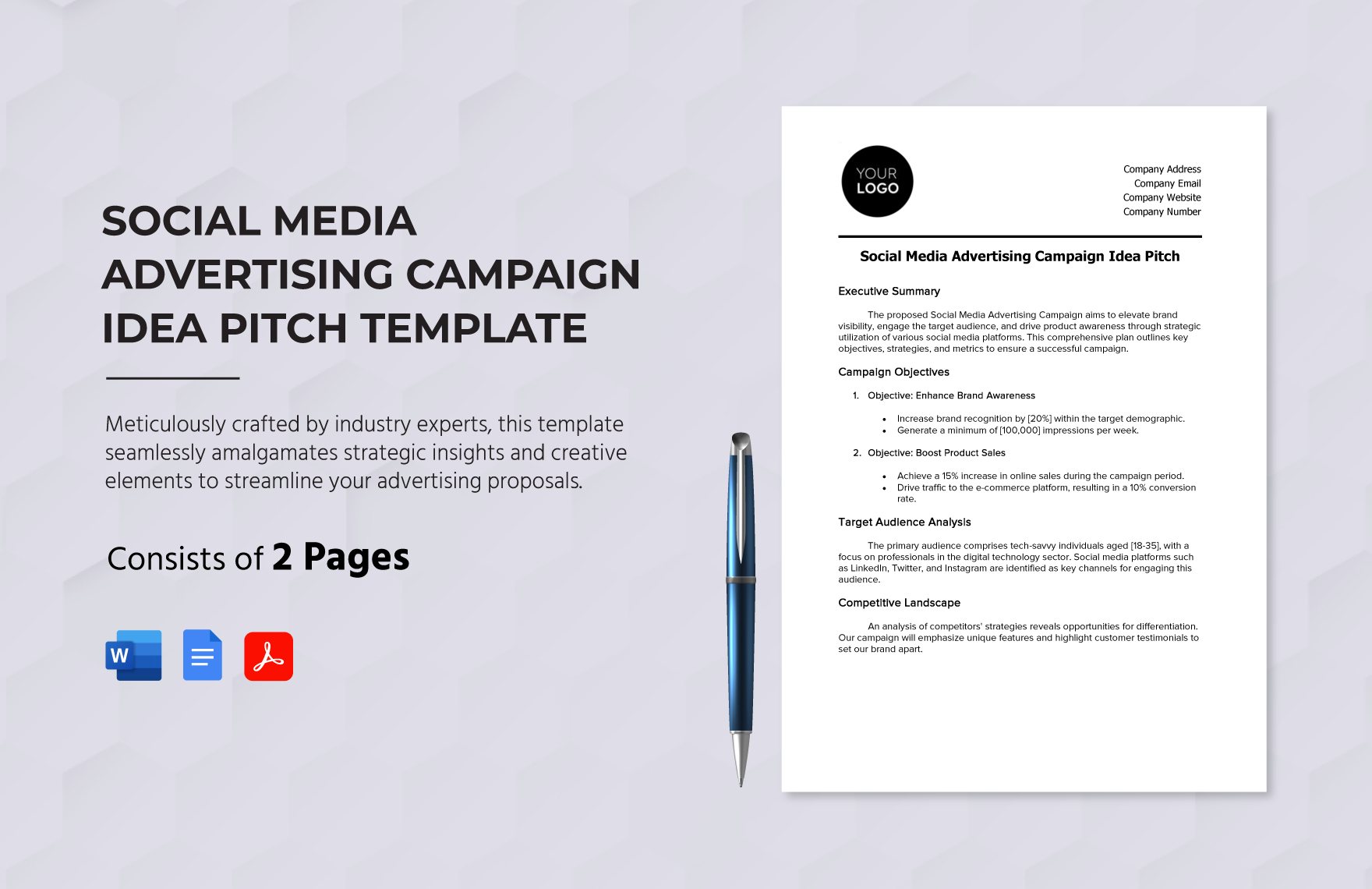
www.template.net
Business Idea Pitch Template – Sarseh.com

sarseh.com
Business Pitch Template | The Conference Room | Figma

www.figma.com
Pitch Template – Open Within Business Idea Pitch Template – 10
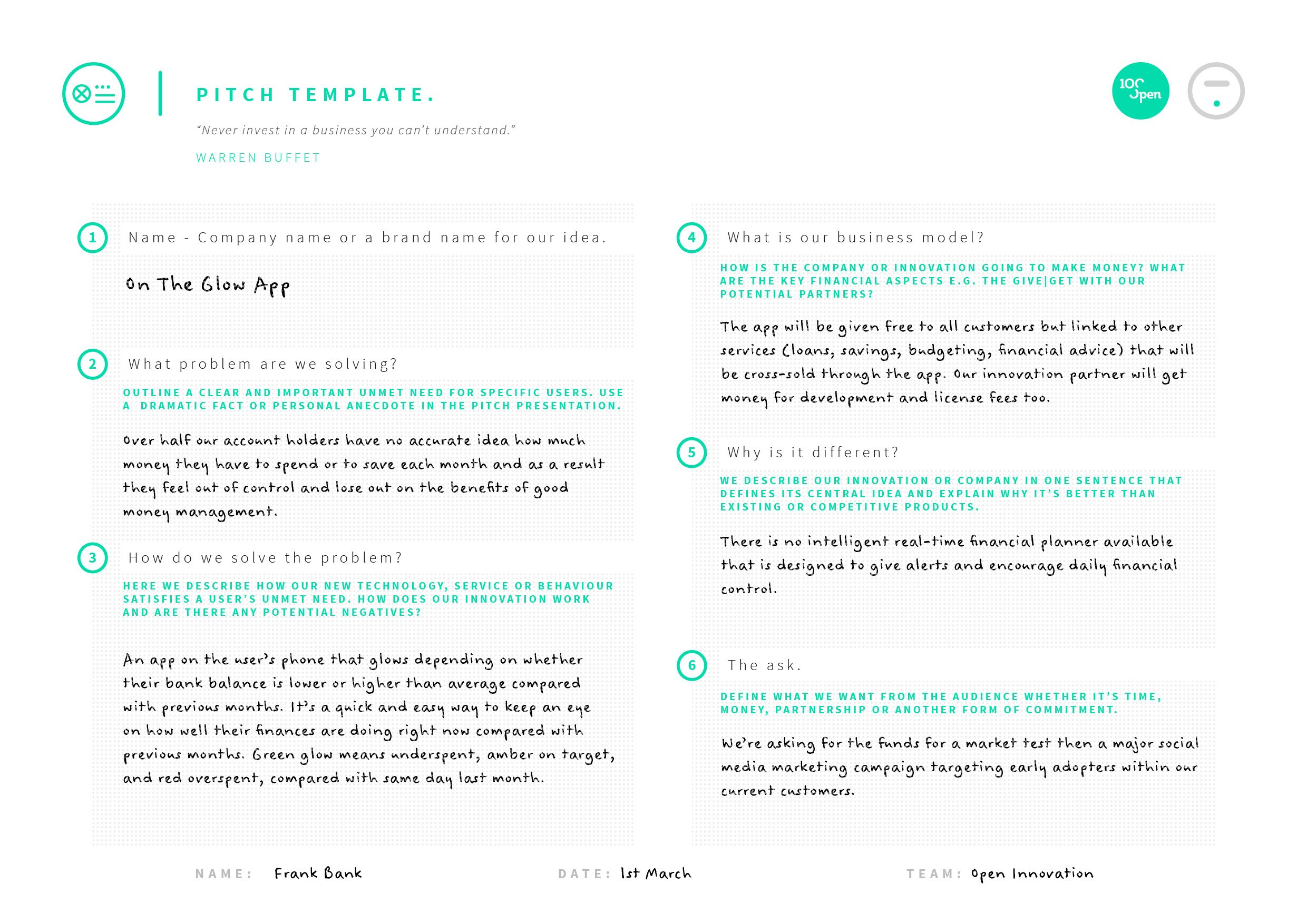
vancecountyfair.com
Social Media Advertising Campaign Idea Pitch Template In Word, PDF
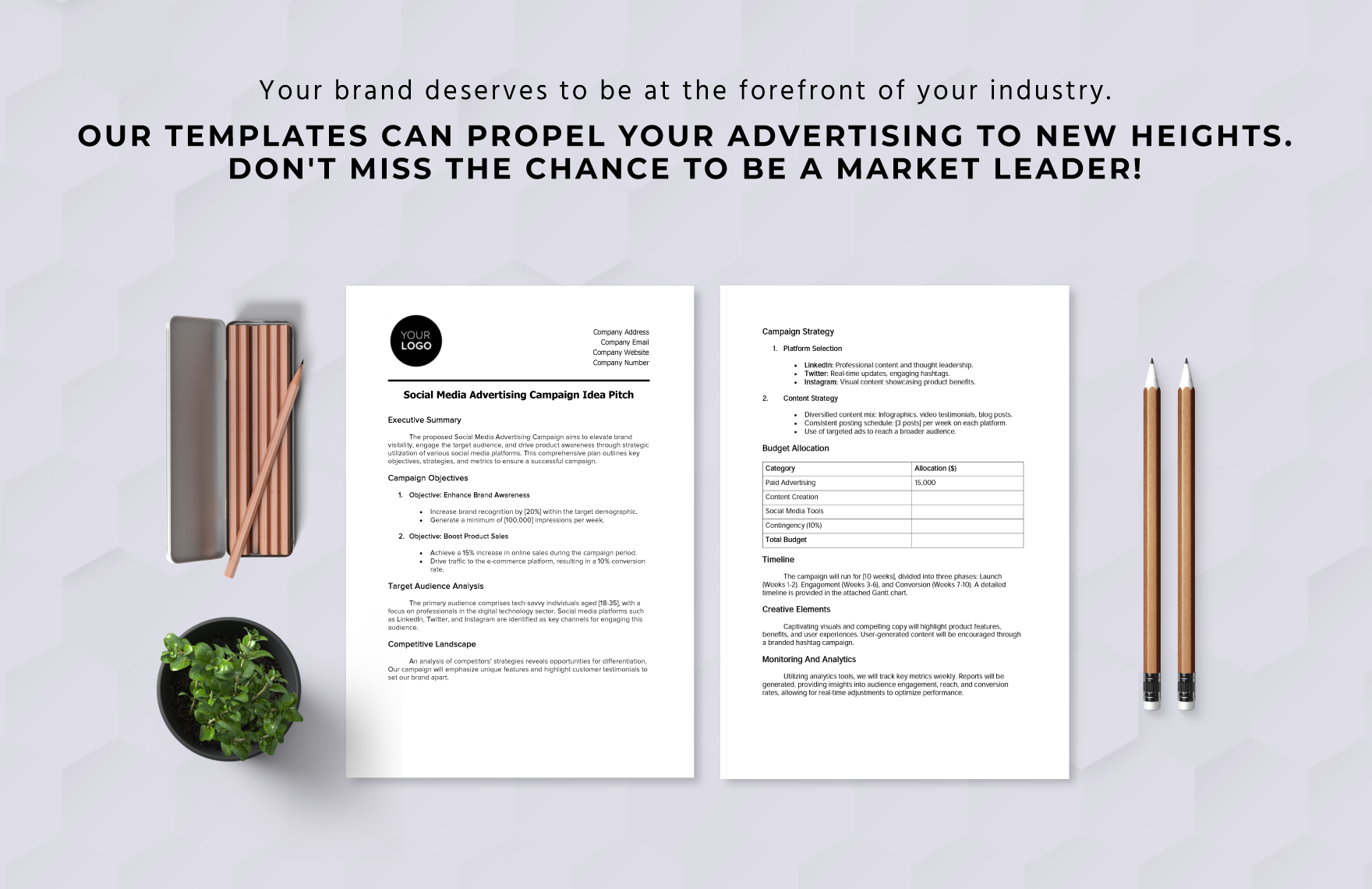
www.template.net
12+ Business Pitch Deck Templates And Design Best Practices To Impress

venngage.com
15 Business Pitch Deck Templates To Win New Clients – Venngage

venngage.com
Business Idea Pitch Template – Professional Template Inspiration

professionaltemplateinspiration.blogspot.com
12+ Business Pitch Deck Templates And Design Best Practices To Impress

venngage.com
Business Idea Pitch Template – Business Ideas

coloring-pages-21.blogspot.com
business idea pitch template. 12+ business pitch deck templates and design best practices to impress …. Business pitch template