Disasters, both big and small, can strike any business at any time. From a simple power outage to a devastating fire, unexpected events can disrupt operations and jeopardize your company’s survival. That’s where a business continuity plan (BCP) comes in. A BCP is a roadmap that outlines how your business will continue to function in the face of adversity, minimizing downtime and ensuring critical functions remain operational. While creating a comprehensive BCP can seem daunting, it doesn’t have to be. A simple template can be a great starting point, providing a framework to build upon and tailor to your specific needs. This post will explore the benefits of using a simple business continuity plan template and provide a breakdown of the key elements you should include.
Why use a template? Because a blank page can be intimidating! A template provides a structure and prompts you to think about critical aspects of your business that you might otherwise overlook. It’s also a time-saver, allowing you to focus on customizing the plan to your specific circumstances rather than starting from scratch. A simple template can be particularly useful for small to medium-sized businesses (SMBs) with limited resources and expertise in disaster recovery planning. It helps you create a foundational plan that can be refined and expanded as your business grows and your needs evolve.
Simple Business Continuity Plan Template: Key Elements
The following is a suggested outline for a simple business continuity plan template, presented in HTML list format. Remember to adapt this to your specific business needs and regularly review and update it.
-
1. Introduction & Purpose
This section outlines the document’s purpose, scope, and objectives. It should clearly state what the plan aims to achieve and the areas of the business it covers.
1.1. Purpose of the Plan
A brief statement explaining why the BCP is being created. For example: “This Business Continuity Plan outlines the steps [Company Name] will take to maintain critical business functions in the event of a disruptive incident.”
1.2. Scope of the Plan
Define the areas and business functions covered by the plan. Be specific. For example: “This plan covers all departments at the [Location] office and addresses disruptions affecting IT systems, facility access, and key personnel availability.”
1.3. Objectives of the Plan
Clearly state the desired outcomes of the plan. For example: “Minimize downtime, ensure data recovery, maintain customer service, and protect employee safety.”
-
2. Risk Assessment
Identify potential threats to your business and assess their likelihood and impact. This is crucial for prioritizing your planning efforts.
2.1. Potential Threats
List potential threats that could disrupt your business operations. Consider both natural disasters (e.g., floods, earthquakes, hurricanes) and man-made incidents (e.g., power outages, cyberattacks, fires, supply chain disruptions, pandemic outbreaks). Examples:
- Power outage
- Data breach
- Hardware failure
- Fire
- Flood
- Pandemic outbreak
- Supply chain disruption
2.2. Impact Analysis
For each threat, assess the potential impact on your business operations, including financial losses, reputational damage, and legal liabilities. This section should also consider which processes are most critical.
- High Impact: Severe disruption, potentially leading to business failure. Requires immediate attention.
- Medium Impact: Significant disruption, requiring timely action to mitigate consequences.
- Low Impact: Minor disruption, with minimal impact on overall operations. Can be addressed as resources allow.
-
3. Business Impact Analysis (BIA)
Identify critical business functions and the resources required to maintain them. Determine the acceptable downtime for each function.
3.1. Critical Business Functions
List the essential functions that must be maintained during a disruption. Examples:
- Order fulfillment
- Customer service
- Accounting and payroll
- IT infrastructure support
- Manufacturing
3.2. Resource Requirements
Identify the resources needed to support each critical function, including personnel, equipment, software, and data. Examples:
- Dedicated staff
- Backup servers
- Alternative office space
- Data backups
- Communication systems
3.3. Recovery Time Objective (RTO)
Define the maximum acceptable downtime for each critical function. For example: “Order fulfillment must be restored within 4 hours.”
-
4. Recovery Strategies
Outline the specific steps you will take to restore critical business functions after a disruption. This is the heart of your BCP.
4.1. IT Recovery
Describe the plan for restoring IT systems and data, including backup procedures, server recovery, and network restoration. Specify who is responsible for each task.
4.2. Communications Plan
Outline how you will communicate with employees, customers, suppliers, and other stakeholders during a disruption. Include contact information for key personnel and alternative communication channels. Examples: SMS broadcast, employee call tree, social media announcements.
4.3. Alternate Site
Detail any planned alternate work locations. This may be a formal backup office, a coworking space, or provisions for remote work. Address access and resources required for each location.
4.4. Data Backup and Recovery
Outline the process for backing up critical data and recovering it in the event of data loss. Include information on backup frequency, storage location, and recovery procedures.
-
5. Plan Maintenance and Testing
Regularly review, update, and test your BCP to ensure it remains effective. This is an ongoing process, not a one-time event.
5.1. Review Schedule
Specify how often the BCP will be reviewed and updated (e.g., annually, quarterly, after a significant change in the business). Define who is responsible for the review process.
5.2. Testing Procedures
Describe the procedures for testing the BCP. Testing can range from simple tabletop exercises to full-scale simulations. Examples: Data restoration tests, call tree drills, alternate site activation.
5.3. Plan Update Log
Document all changes made to the BCP, including the date of the change, the person who made the change, and a brief description of the modification.
-
6. Contact Information
List contact information for key personnel responsible for implementing the BCP. Include primary and secondary contacts for each role.
6.1. Emergency Contact List
List essential contact information for emergency services, key vendors, and insurance providers.
6.2. Key Personnel Contact Information
Clearly and concisely provide the information needed to contact key decision-makers and individuals responsible for specific recovery tasks.
Remember, this template is a starting point. You need to tailor it to your specific business needs and circumstances. Don’t hesitate to seek professional assistance if you need help developing or implementing your BCP. Taking the time to create a solid business continuity plan can be the difference between surviving a disruption and going out of business. Regular testing and updating is crucial to ensuring its effectiveness.
If you are searching about Business Continuity Plan Template Free you’ve came to the right web. We have 22 Pictures about Business Continuity Plan Template Free like Free Business Continuity Plan Templates | Smartsheet, Free Business Continuity Plan Templates | Smartsheet and also Free Business Continuity Plan Template | PDF & Word. Here it is:
Business Continuity Plan Template Free

old.sermitsiaq.ag
33+ Business Continuity Plan Examples To Download
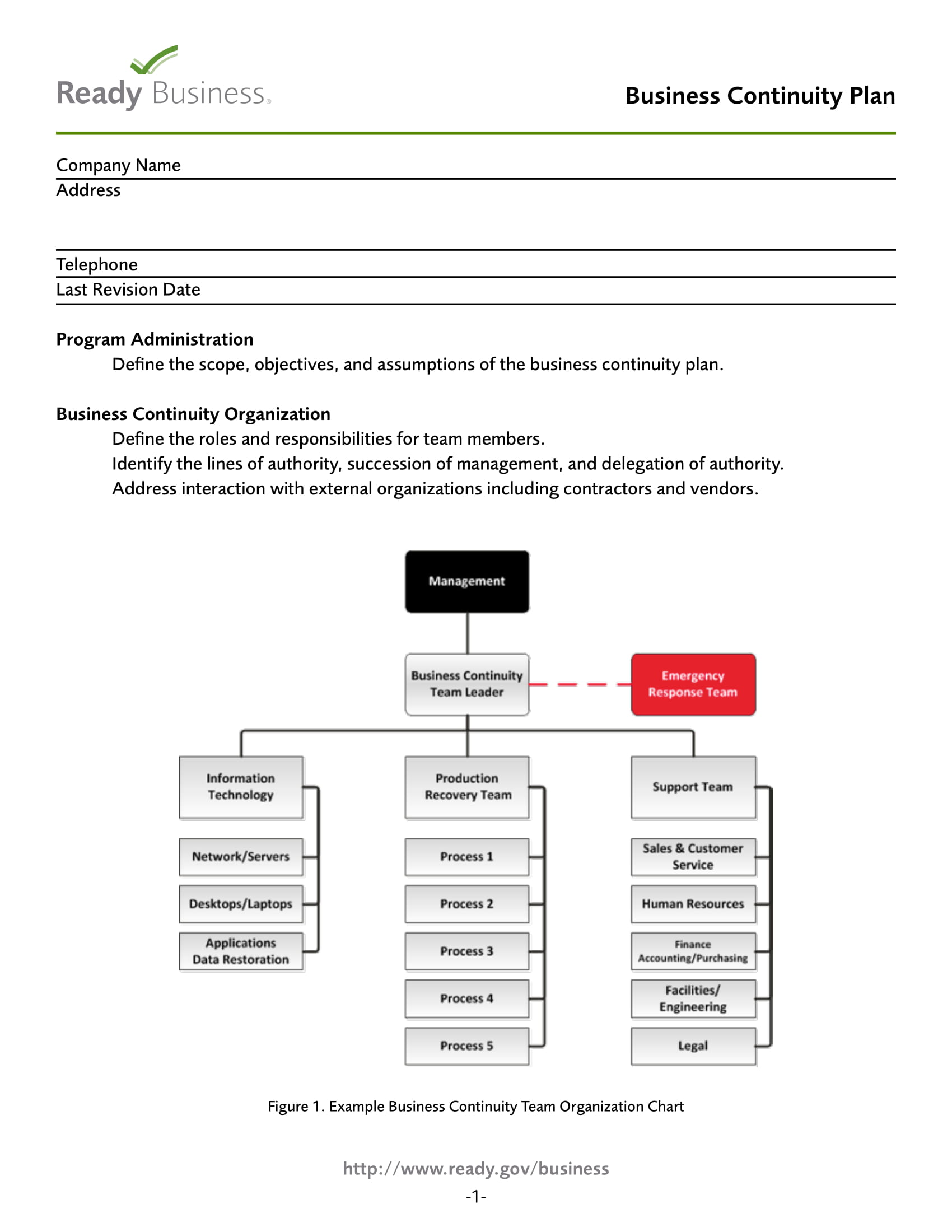
www.examples.com
Free Business Continuity Plan Template | PDF & Word
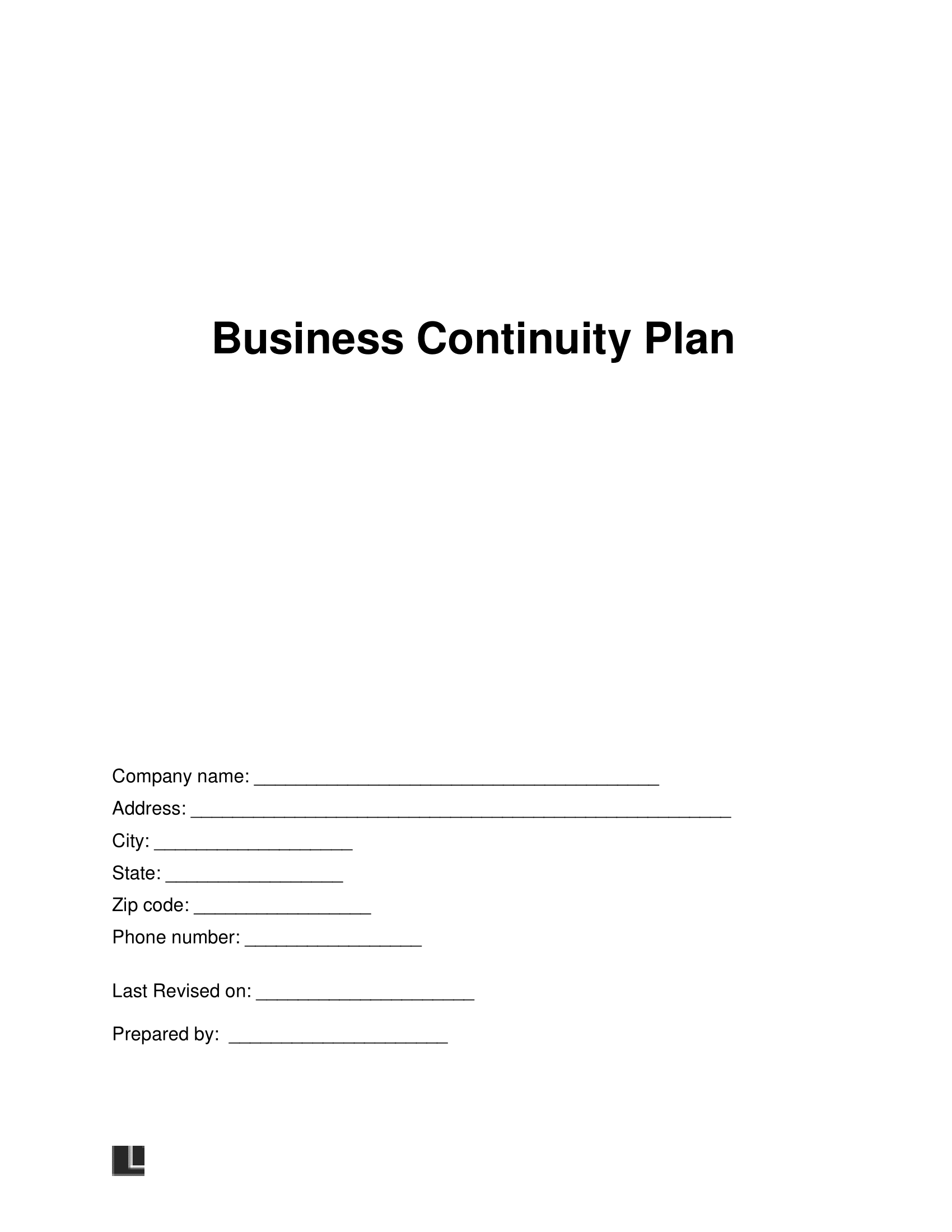
legaltemplates.net
Free Business Continuity Plan Templates | Smartsheet

www.smartsheet.com
Business Continuity Plan Template For Manufacturing
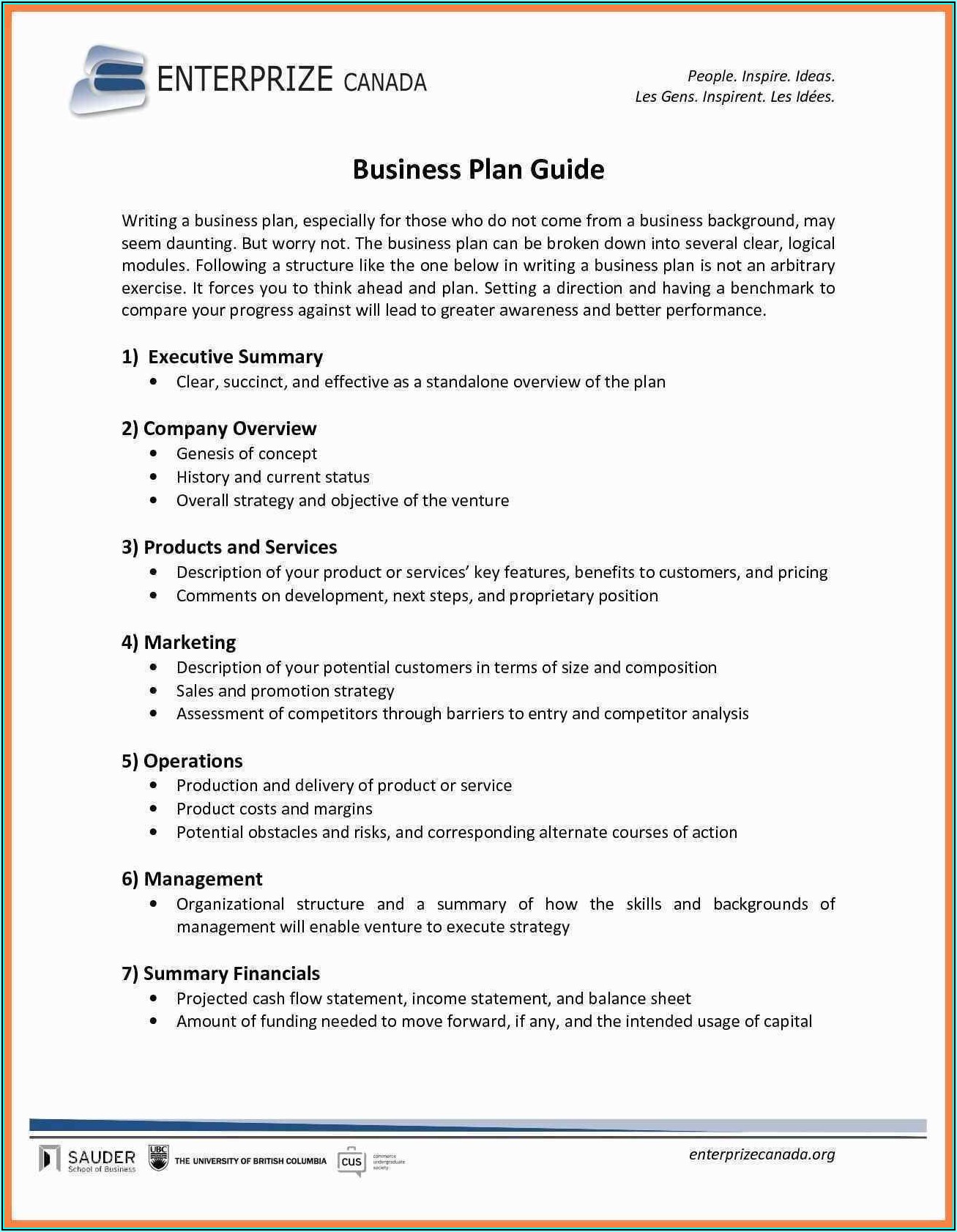
old.sermitsiaq.ag
Business Continuity Worksheet Template

www.venngage.co
Free Business Continuity Plan Templates [Word, PDF]
![Free Business Continuity Plan Templates [Word, PDF]](https://www.typecalendar.com/wp-content/uploads/2023/06/Business-Continuity-Plan-1536x864.jpg)
www.typecalendar.com
Simple Business Continuity Plan Template
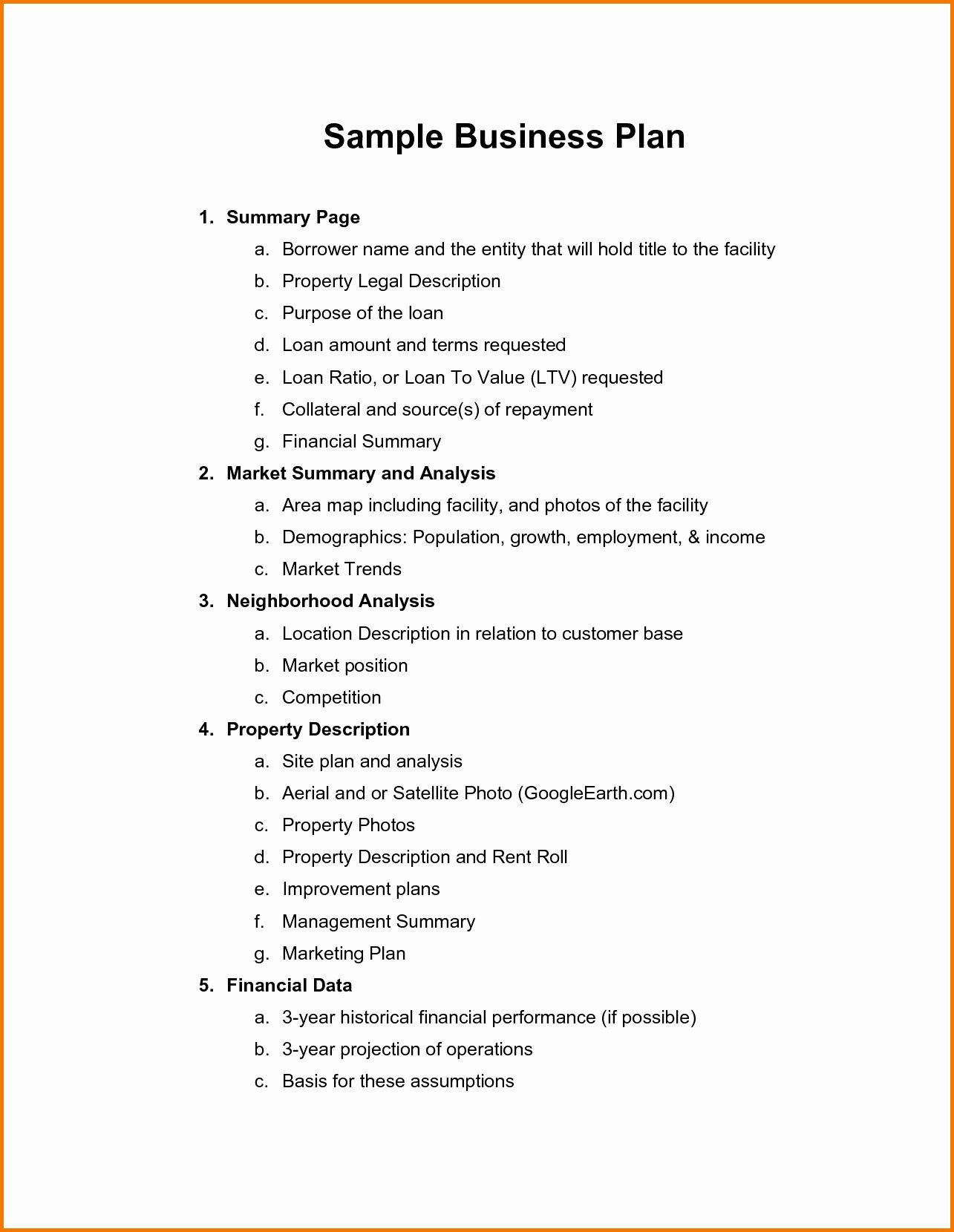
shootersjournal.net
Simple Business Continuity Plan Template ~ Addictionary Inside Simple
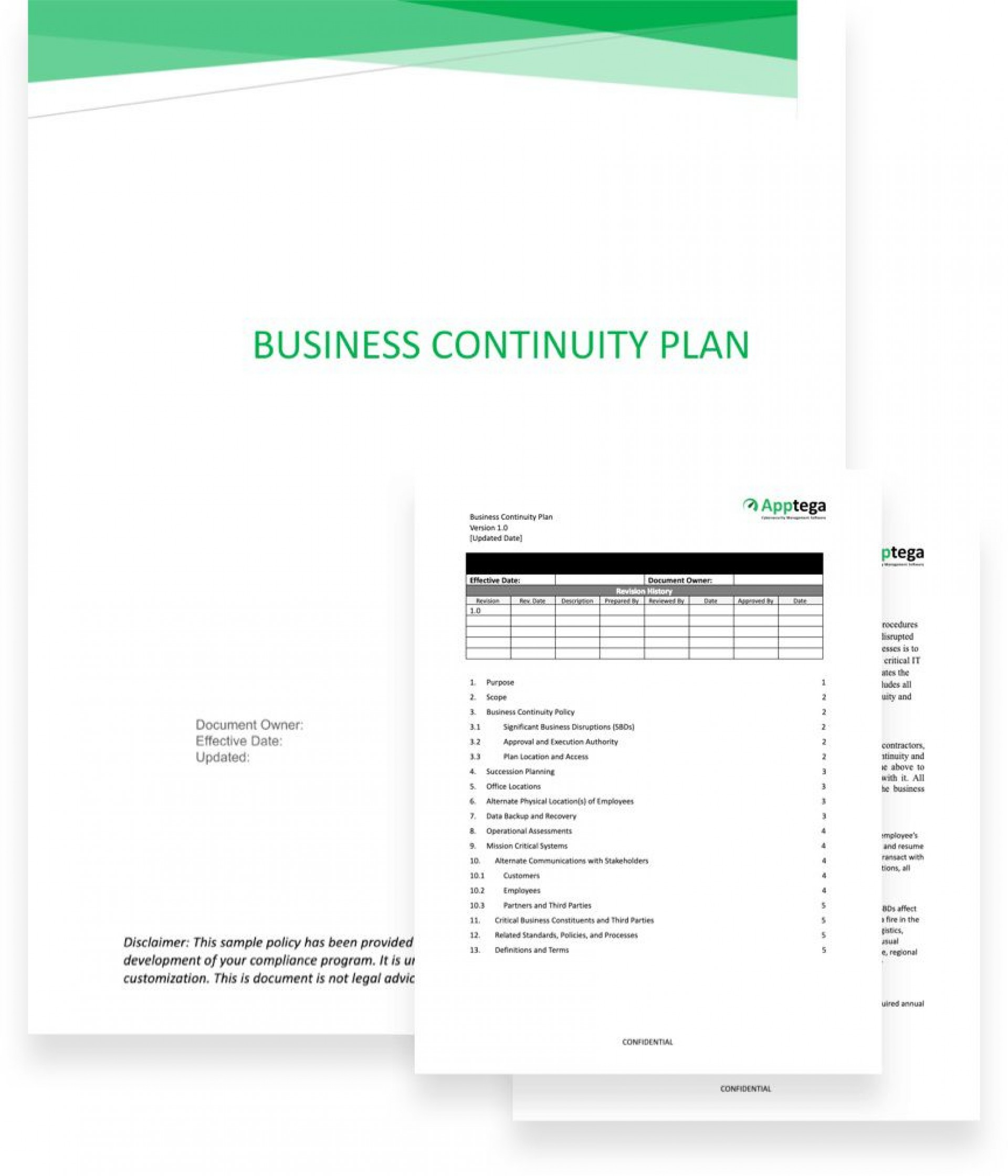
footballwchs.com
Simple Business Continuity Plan Template – Midi-box.com
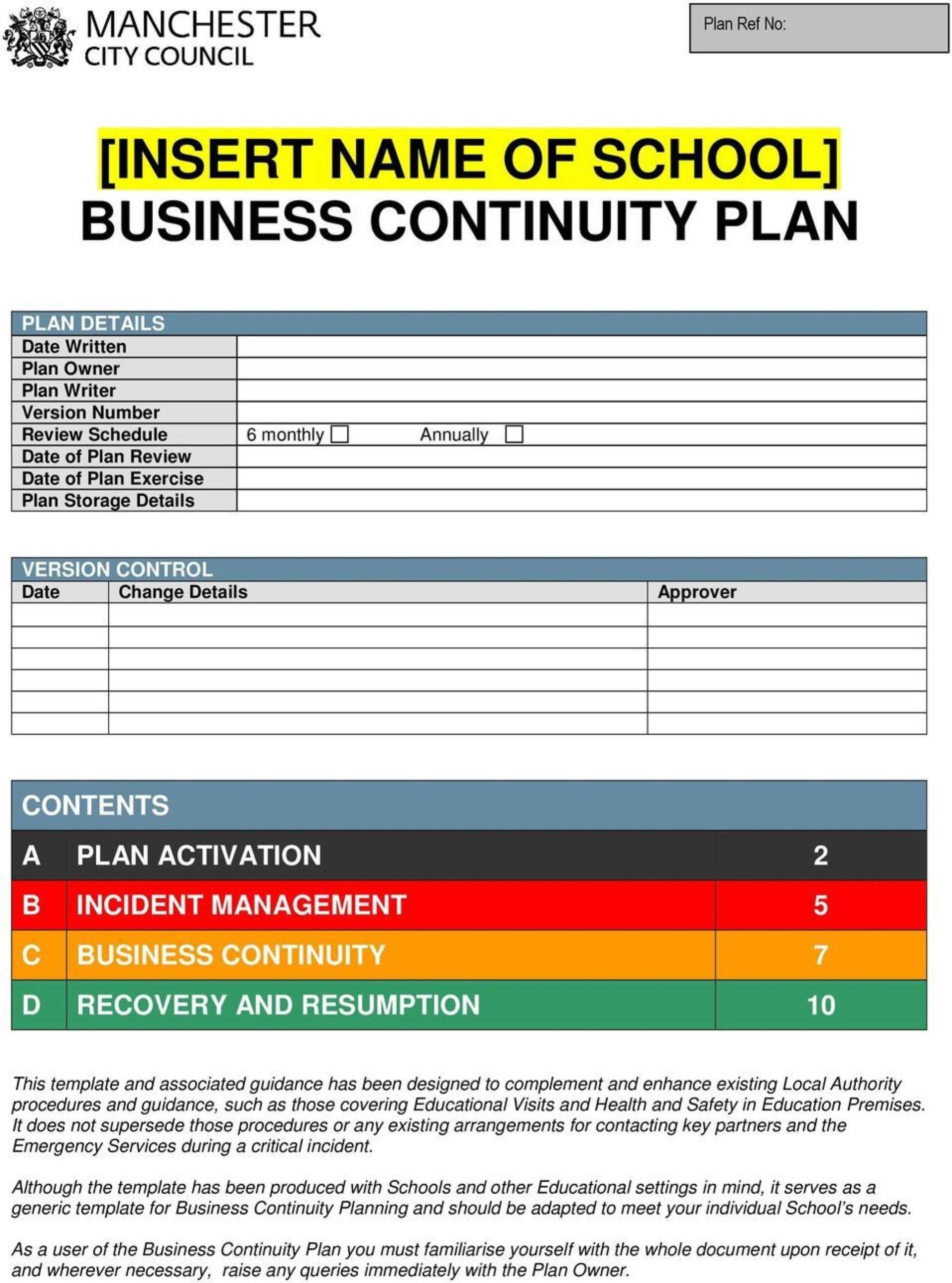
www.midi-box.com
Business Continuity Plan Template Word Free Download

old.sermitsiaq.ag
Business Continuity Plan Template Canada – PARAHYENA

www.parahyena.com
Free Business Continuity Plan Templates | Smartsheet
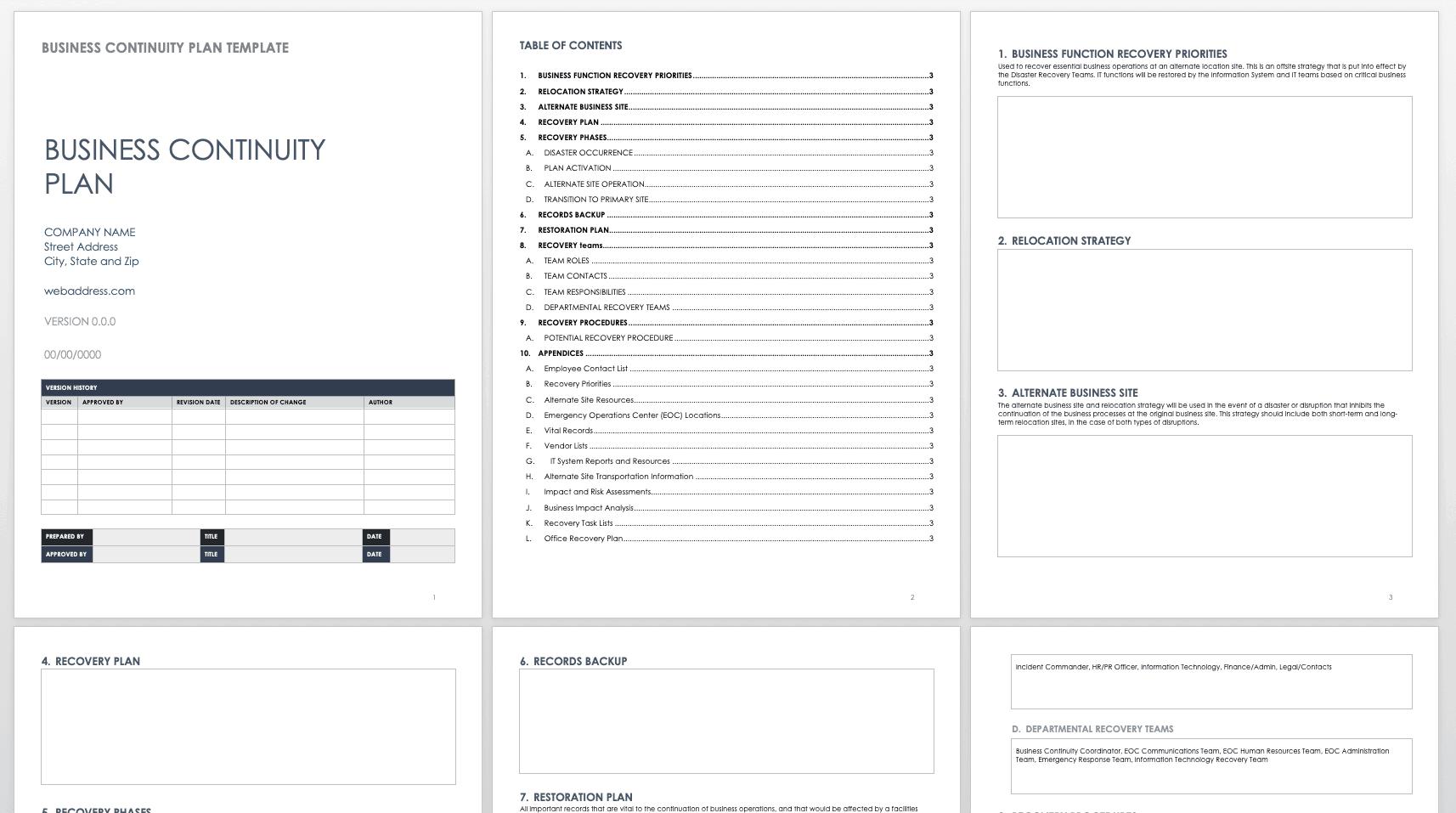
www.smartsheet.com
Free Business Continuity Plan Templates | Smartsheet
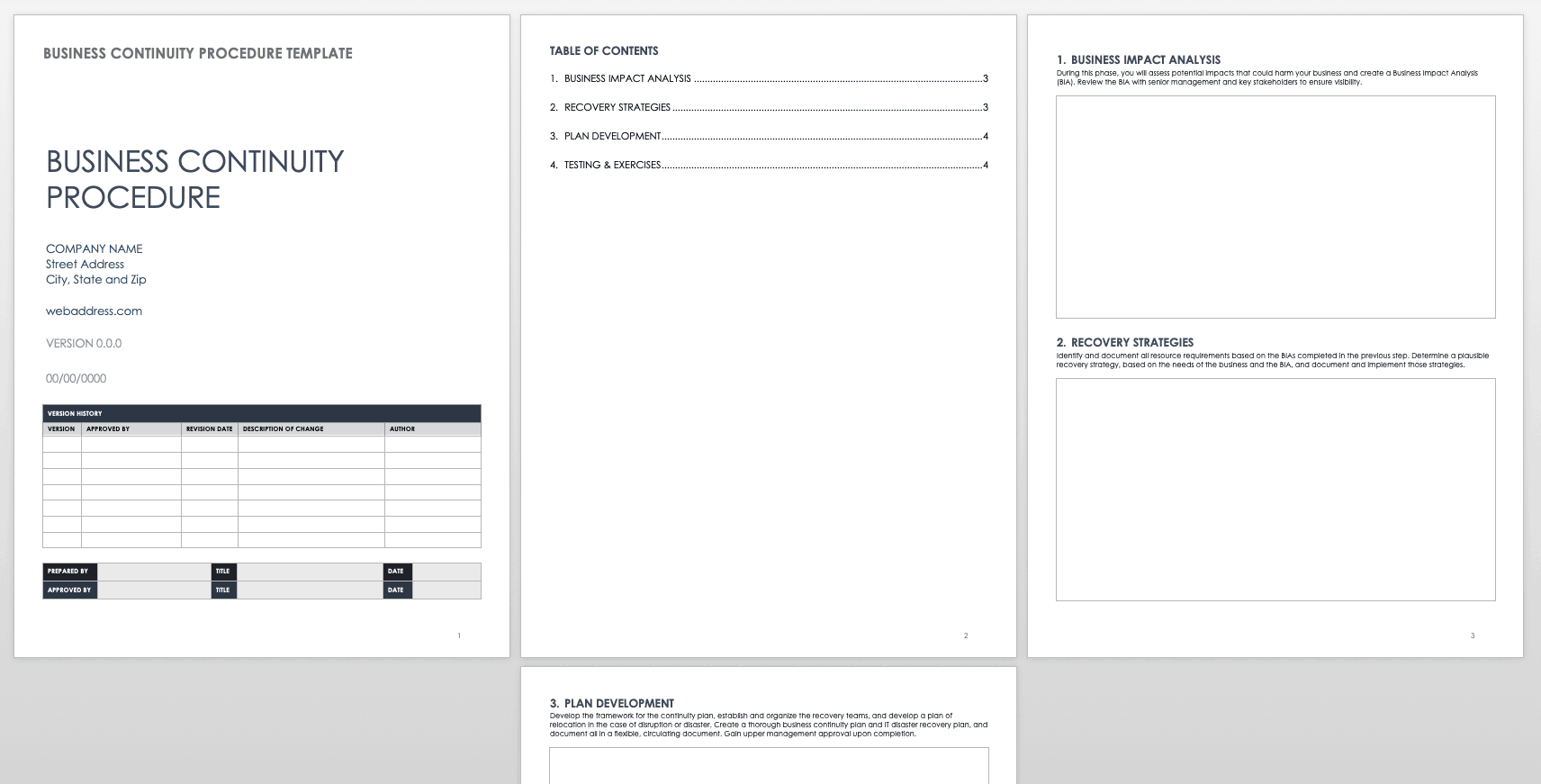
www.smartsheet.com
Business Continuity Plan Template Word

old.sermitsiaq.ag
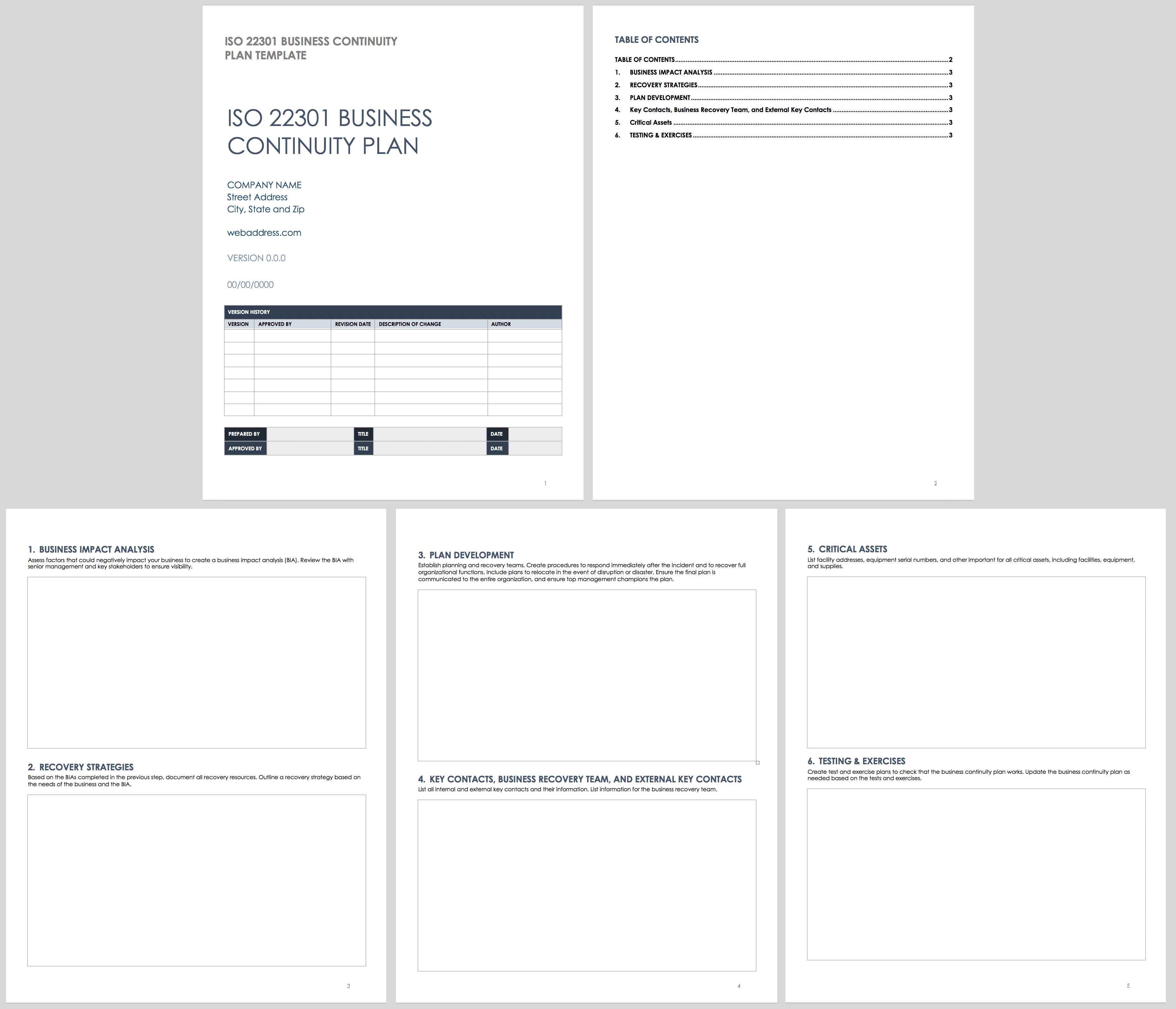
ISO 22301 Business Continuity Management Made Easy | Smartsheet
www.smartsheet.com
Free Business Continuity Plan Template Excel – Printable Templates

templates.udlvirtual.edu.pe
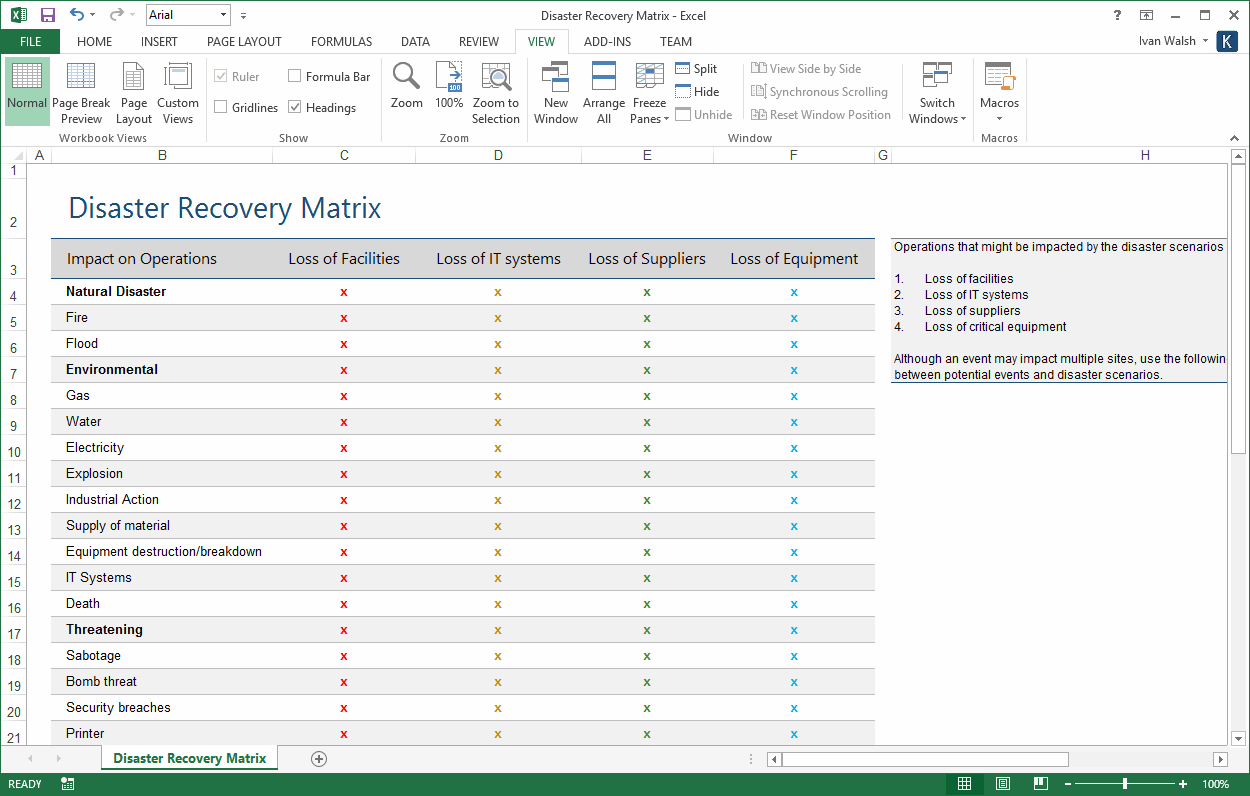
Business Continuity Plan Template (MS Word/Excel) – Templates, Forms
klariti.com
Sample Business Continuity Plan Template

old.sermitsiaq.ag
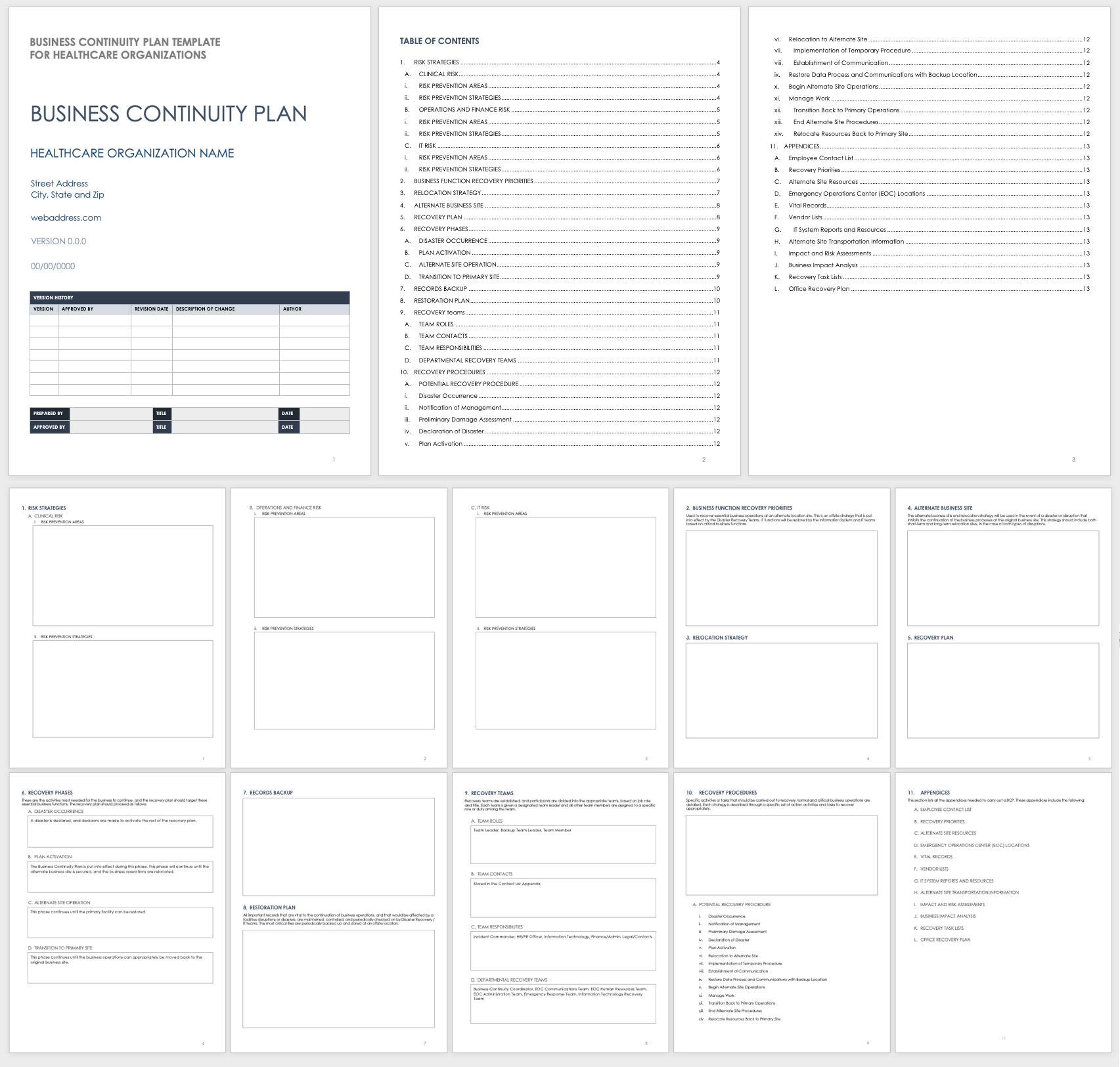
Free Business Continuity Plan Templates | Smartsheet
www.smartsheet.com
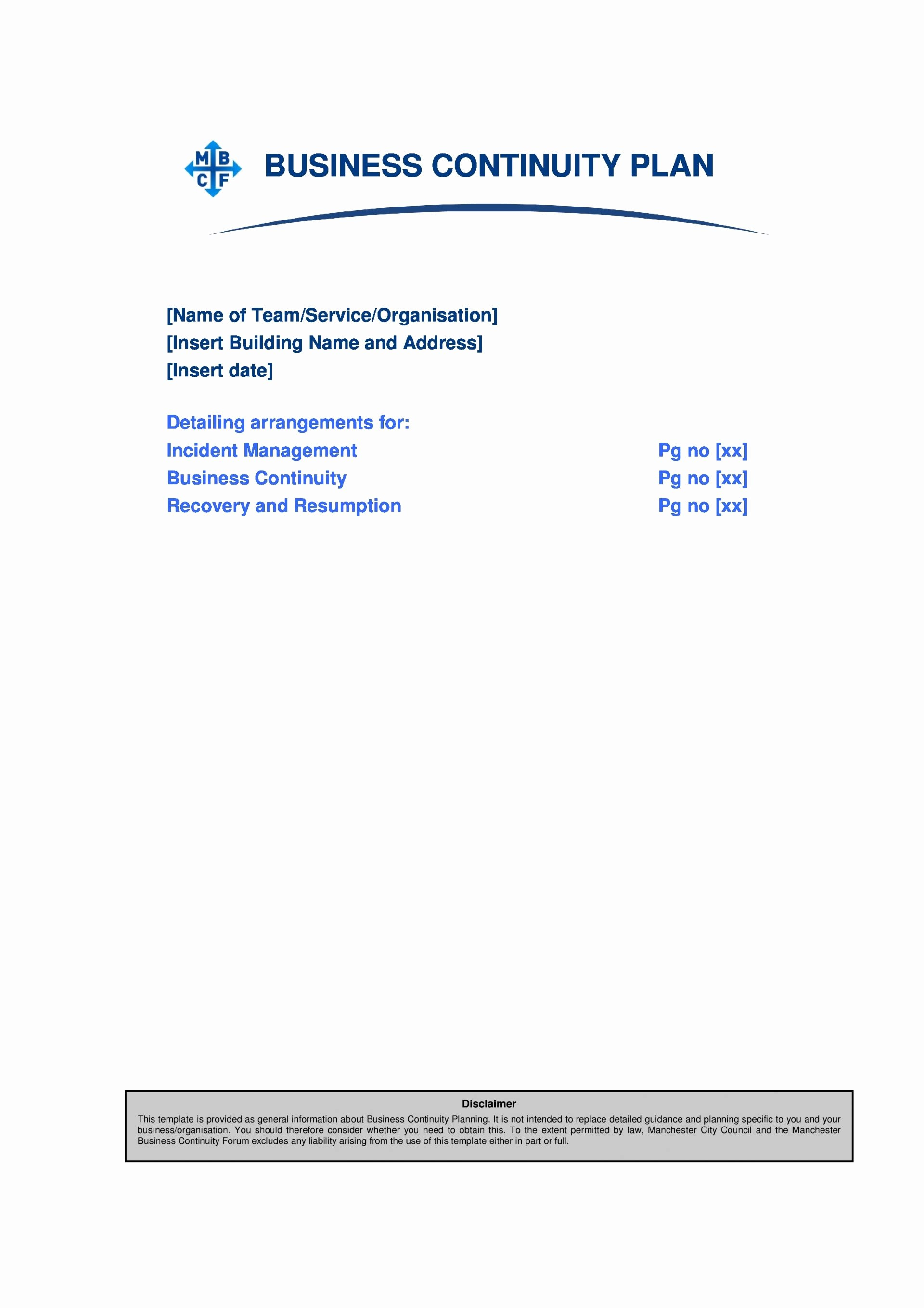
Non Profit Business Continuity Plan Template Beautiful Simple For
vancecountyfair.com
Business Continuity Plan Template Free
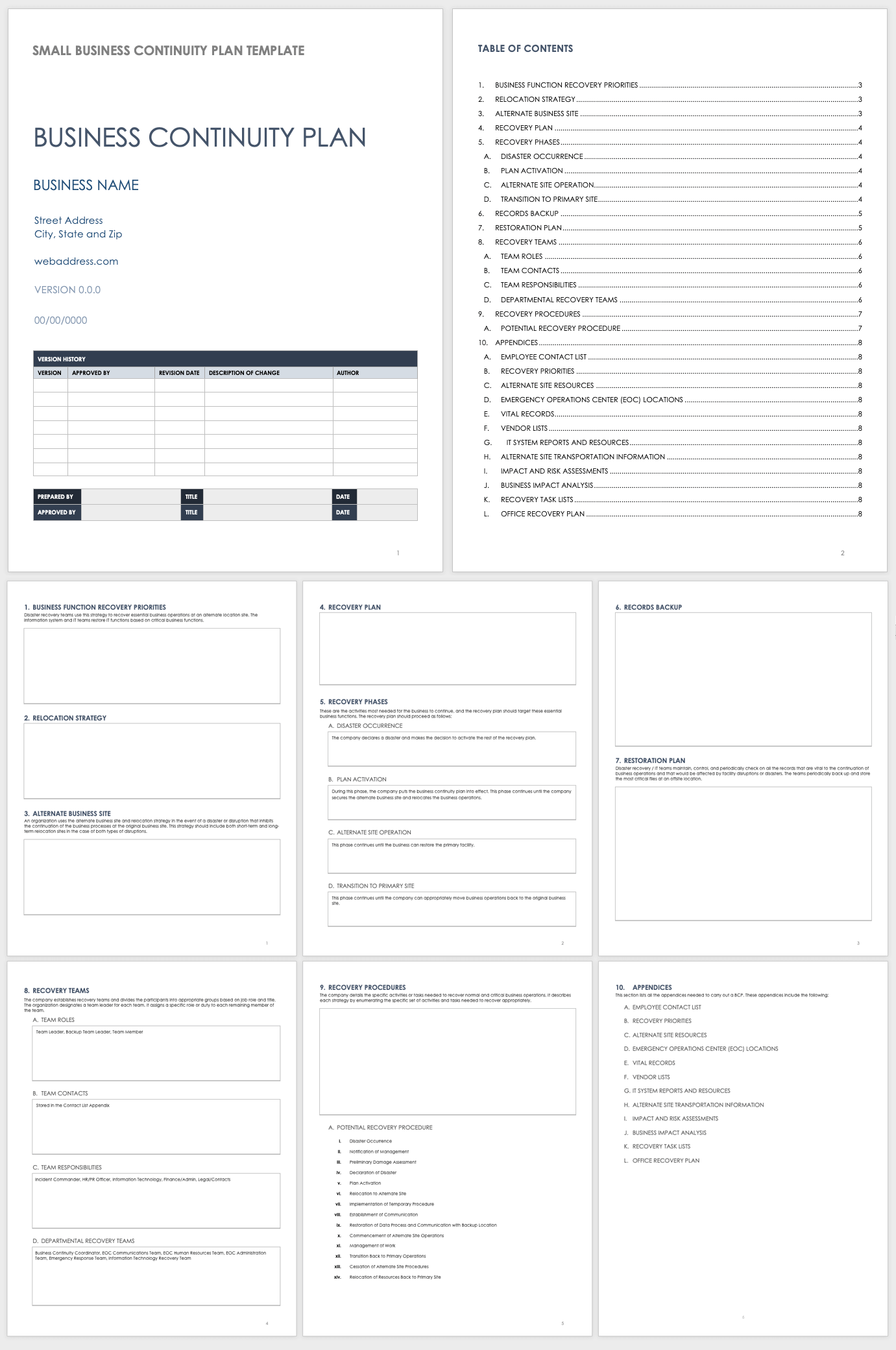
old.sermitsiaq.ag
Free business continuity plan templates [word, pdf]. Business continuity plan template free. Free business continuity plan templates